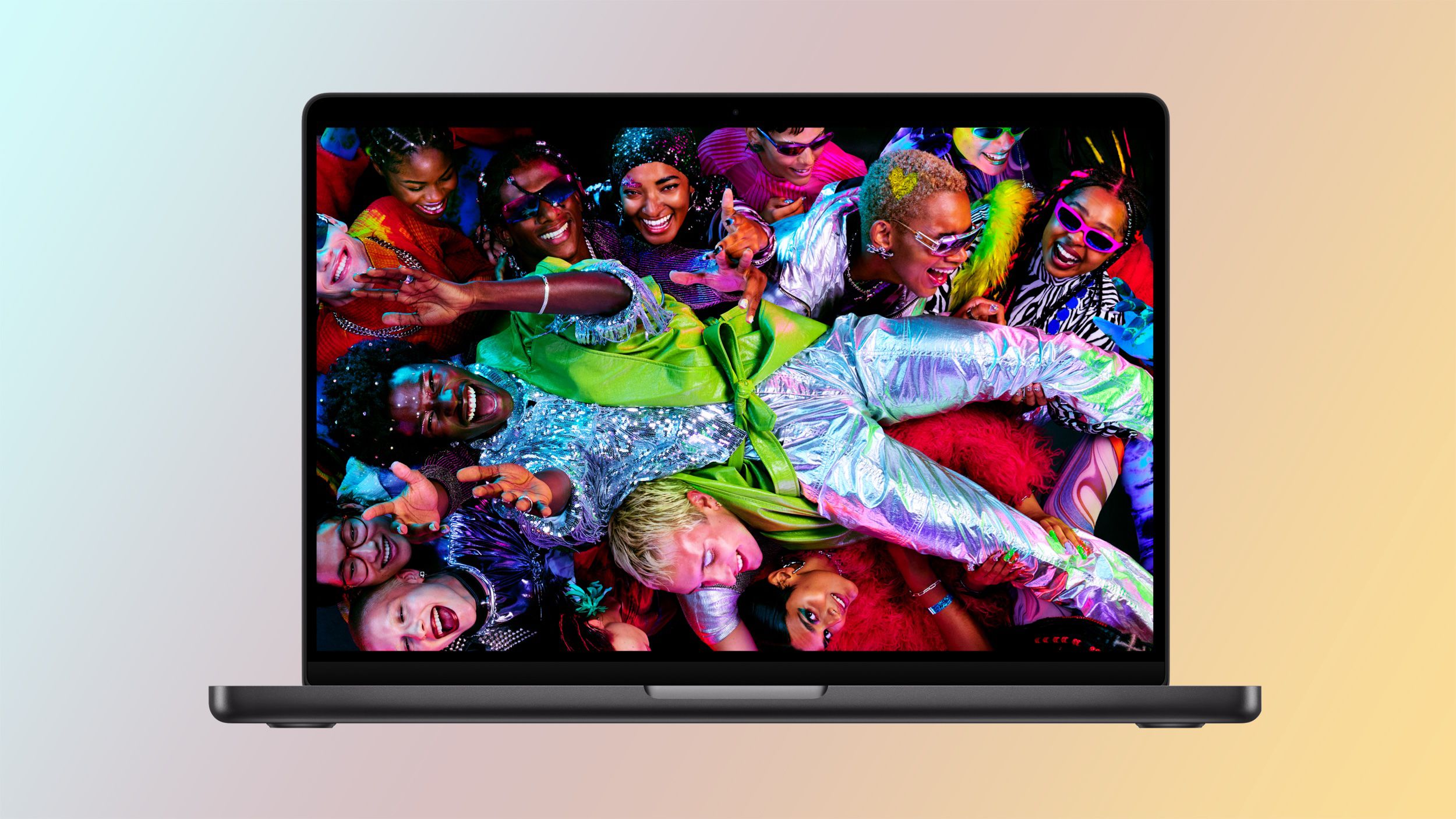
Apple's 2026 14-inch M5 Pro MacBook Pro with 24GB RAM and 1TB SSD is available at an all-time low price of $1,983.94, down from $2,199, while the 16-inch M5 Pro model is also discounted to $2,899 from $3,099. The article is primarily a retail deals update rather than a fundamental corporate development, but it signals strong consumer discounting on Apple's latest Mac lineup. The broader piece highlights additional promotions across AirPods and M5 MacBook Air models.
This reads less like a single-product demand signal and more like a high-frequency read on channel elasticity for premium consumer tech. The key second-order effect is that aggressive discounting on a just-launched high-end Mac narrows the replacement-cycle friction for prosumers and small businesses, which tends to pull demand forward into the current quarter rather than create durable unit upside. That favors the retailer and, tactically, Apple’s installed-base monetization, but it also hints that inventory and sell-through expectations are being defended early, not just optimized.
For AMZN, the incremental benefit is not the headline gross profit on one SKU; it is basket expansion and Prime retention from a visible “best price” event on a prestige item. If Apple’s premium hardware is being used to anchor traffic, the real monetization comes from higher conversion on accessories, services, and unrelated add-on categories over the next 1-2 weeks. The risk is that these early-cycle markdowns become the new reference price, compressing future promo elasticity and forcing broader discounting across Windows OEMs and peripheral vendors.
For AAPL, the contrarian read is that record-low pricing this early can be bullish for unit share but bearish for mix if the company is already leaning on promotions to clear the first production wave. That can support near-term revenue optics while masking weaker-than-expected willingness to pay at the top end. If this pattern extends into broader M5 family pricing, it would argue for a faster-than-consensus upgrade cycle in the installed base, but with lower gross margin capture than the market may be assuming.
Time horizon matters: over days, this is a retail traffic and sentiment positive; over months, the question is whether premium hardware demand is genuinely elastic or merely being subsidized. The setup becomes meaningfully more important if competitors respond with deeper Windows ultrabook discounts, which would shift the debate from Apple-specific demand to a broader PC refresh battle.
AI-powered research, real-time alerts, and portfolio analytics for institutional investors.
Request DemoOverall Sentiment
mildly positive
Sentiment Score
0.20
Ticker Sentiment
