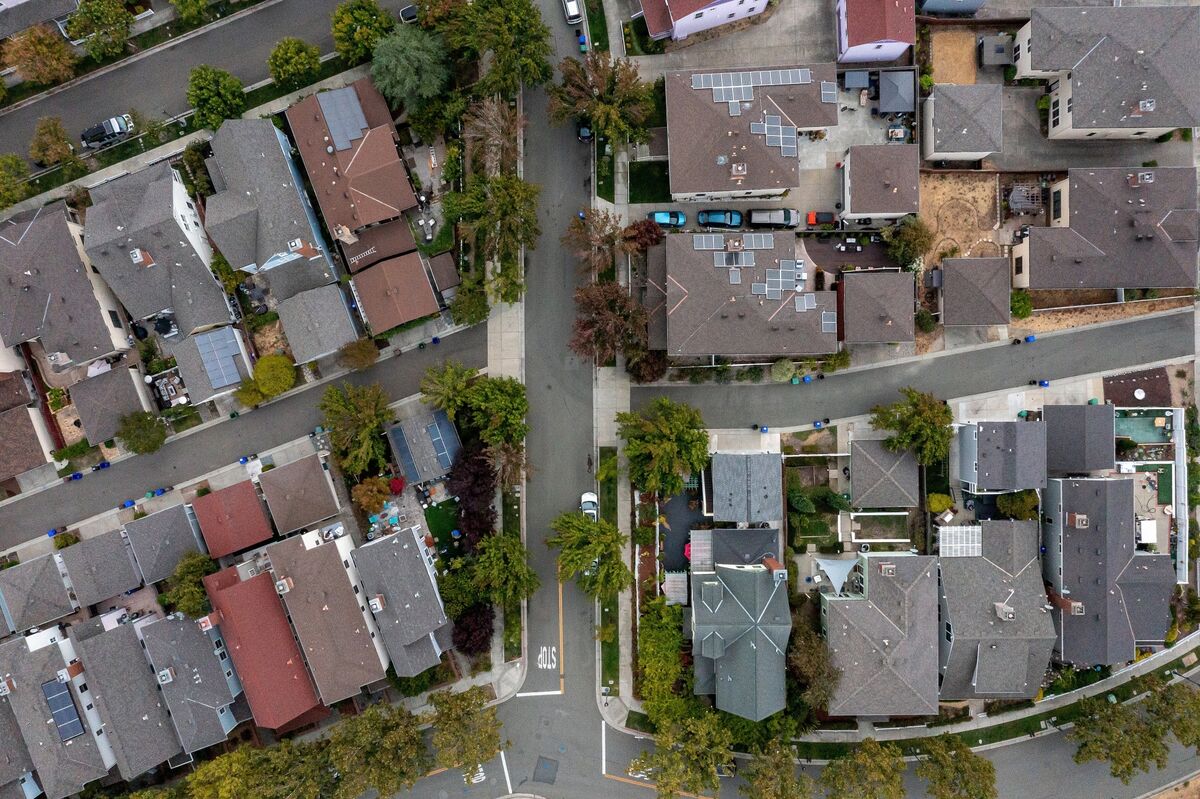
The US Department of Housing and Urban Development (HUD) is reportedly curtailing its enforcement against redlining, instructing staff via an internal memo to prioritize individual discrimination over neighborhood-level lending practices. This strategic shift is expected to virtually eliminate new redlining cases under the current administration, offering a significant regulatory reprieve for mortgage lenders by reducing scrutiny on their geographic lending patterns.
The U.S. Department of Housing and Urban Development (HUD) is executing a significant policy shift that effectively grants a regulatory reprieve to mortgage lenders. According to an internal memo, the department is directing its investigators to pivot away from pursuing neighborhood-level discrimination cases, commonly known as redlining, and to concentrate instead on alleged discrimination against individual loan applicants. This change in enforcement strategy is viewed by experts as nearly eliminating the likelihood of new federal redlining cases under the current administration. For financial institutions, this development mitigates a major source of legal and compliance risk, as redlining investigations have historically been a key enforcement priority for HUD, carrying the potential for substantial penalties and reputational damage. The change represents a material easing of regulatory pressure on the geographic lending practices of banks and other financial firms involved in the home loan market.
AI-powered research, real-time alerts, and portfolio analytics for institutional investors.
Request DemoOverall Sentiment
mildly positive
Sentiment Score
0.25
