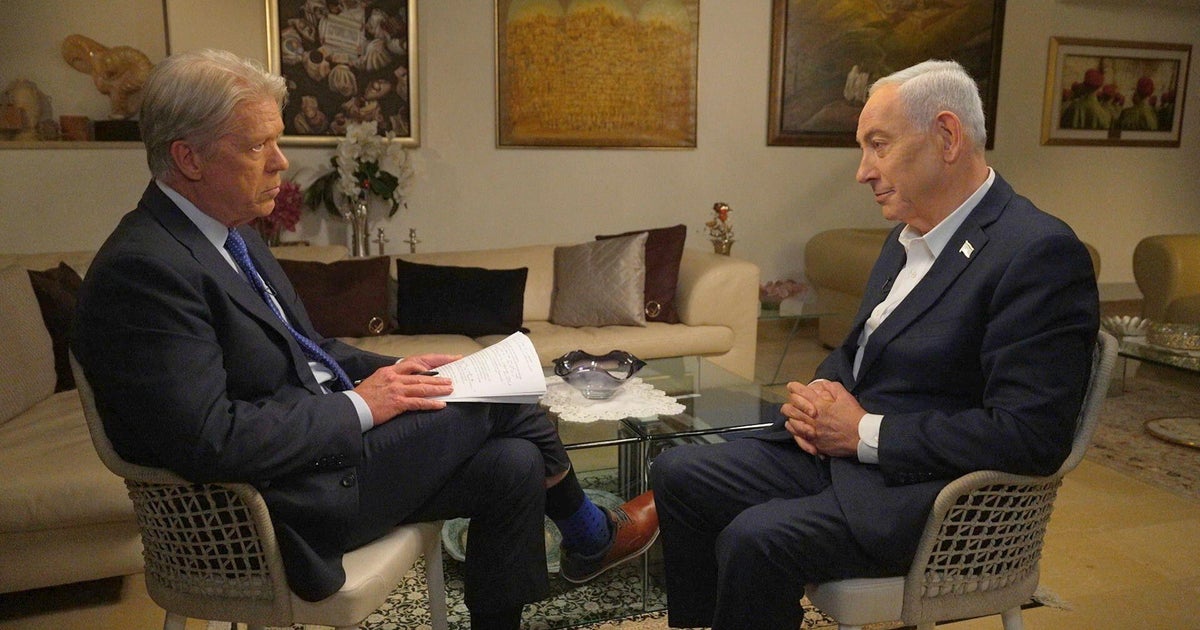
Israeli Prime Minister Benjamin Netanyahu said the war with Iran is "not over" until roughly 970 pounds of highly enriched uranium are removed and Iran's enrichment facilities are dismantled. He described the remaining nuclear material as a "terrifically important mission" and said an agreement would be the best way to resolve it. The comments reinforce geopolitical risk in the Middle East and could keep defense and energy markets on edge.
The key market implication is not the rhetoric itself but the persistence of an asymmetric tail risk premium around a renewed Israeli strike or a covert extraction effort. That keeps a floor under defense, missile defense, cyber, and select hardened infrastructure names while suppressing willingness to price any durable de-escalation in Middle East energy and shipping routes. The first-order move may be muted, but the second-order effect is wider volatility in crude, freight, and regional sovereign CDS as counterparties hedge a policy outcome that can shift in days rather than quarters.
The more interesting trade is in sanction-intensity and supply-chain bottlenecks. If diplomatic channels fail, the highest-beta beneficiaries are not broad defense primes but niche exposure to interceptors, EW, munitions replenishment, and logistics platforms that see immediate restocking demand after any kinetic event. Conversely, industrials with Gulf exposure and European refiners are vulnerable to margin compression if insurance, routing, or feedstock optionality gets disrupted, even without a full-scale conflict.
Consensus is likely overestimating the probability of a linear resolution and underpricing the chance that any agreement merely freezes visible stockpiles while leaving latent capabilities intact. That means the right way to position is not a directional war call, but a persistent volatility structure: the regime stays headline-sensitive until there is verifiable removal or disablement, which is a months-long process at best. In that window, upside in defense and energy is capped by ceasefire hopes, but downside is protected by recurring escalation risk, making optionality more attractive than outright beta.
AI-powered research, real-time alerts, and portfolio analytics for institutional investors.
Request DemoOverall Sentiment
mildly negative
Sentiment Score
-0.15
