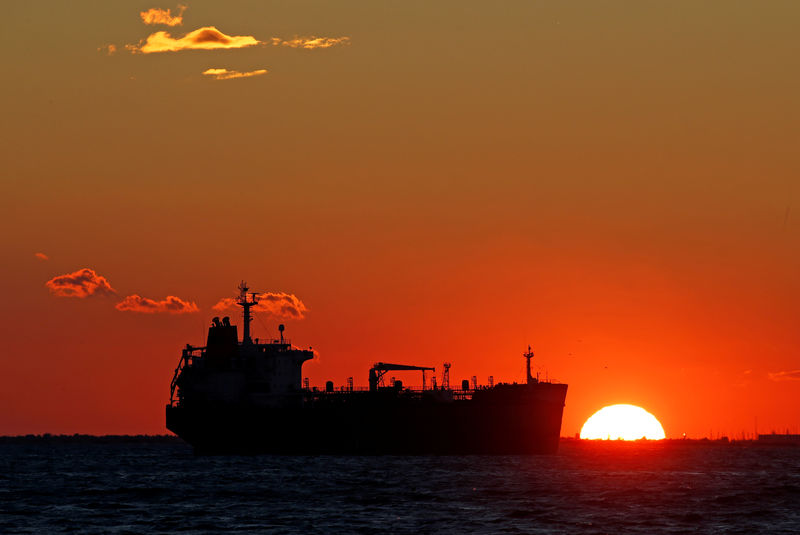
Houthi attacks on Saudi oil tankers in the Red Sea and renewed U.S.-Iran strikes raise the risk of another oil-shipping chokepoint: Iran says the Strait of Hormuz is "completely closed" and warns it will prevent tankers from entering or leaving. The Red Sea disruption is already forcing diversions and route changes that can add weeks and costs via the Suez Canal, amid concern that renewed supply bottlenecks will push oil prices higher and pressure inflation and U.S. gasoline consumers.
This is a regime shock for transportation economics more than a simple oil-up story. If both chokepoints remain even partially impaired, delivered barrels matter more than headline Brent: freight, war-risk premiums, and inventory carry rise, which tends to widen spreads for producers with export optionality and crush downstream users that cannot reprice fast enough. That makes consumer-facing names like TGT vulnerable via freight inflation, higher shrink/transport costs, and a slower-demand backdrop before the full fuel pass-through shows up.
The first-order move is usually the most obvious; the second-order move is tighter vessel availability and longer voyage times as cargoes reroute, which can support tanker economics even if crude volumes only fall modestly. Over 1-3 months, the real catalyst is whether insurance markets and naval escorts normalize traffic or whether a single severe incident forces de facto rationing; that would turn a headline risk into a physical supply disruption. Falsifiers are rapid de-escalation, a visible SPR/coordinated release, or evidence that flows through alternative routes fully absorb the shock.
The consensus may be underestimating how quickly this feeds into inflation expectations and rate volatility, which matters more than energy equities alone. For GOOGL, this is not a direct earnings event, but higher fuel costs can eventually weaken ad demand and multiple support for long-duration growth names if real yields back up; near term, any benefit is only from a quality-cash-flow rotation, not fundamentals. The bigger miss is that the market often underprices lagged consumer demand destruction: if gasoline and shipping stay elevated for weeks, discretionary spend and gross margins can roll over even before macro data confirms it.
AI-powered research, real-time alerts, and portfolio analytics for institutional investors.
Request DemoOverall Sentiment
moderately negative
Sentiment Score
-0.60
Ticker Sentiment
