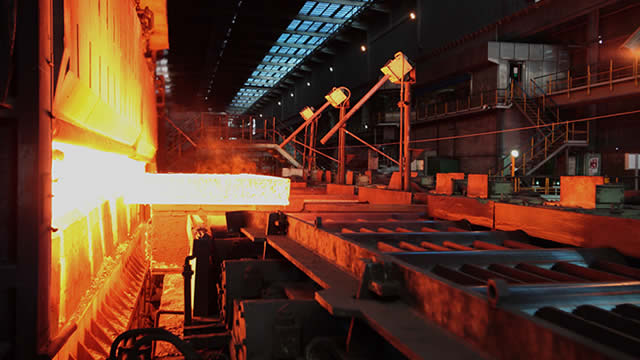
Valterra Platinum is framed as undervalued versus traditional cyclical PGM miners, supported by ANGPY’s 2025 adjusted EBITDA rising 68% to R33.4B. Margins expanded to 38% on cost control, and the company is described as holding a net cash position. The note highlights structural processing/refining advantages, including its PMR facility, implying value not captured by mine-level multiples.
The market is likely still applying a cyclical-mine multiple to a business that increasingly behaves like a tolling/processing asset with commodity upside embedded. That matters because the cash flows with the highest durability are not the ounces in the ground, but the bottlenecked refining infrastructure; if investors start capitalizing that stream at a higher EV/EBITDA, the rerating could outpace any near-term commodity move.
Second-order, the scarcity value of processing capacity should improve bargaining power versus smaller PGM producers that need third-party treatment. If PMR stays clean operationally, Valterra can potentially capture a wider spread between mined metal economics and downstream payables, which should support margins even if PGMs stop rising. That also makes the name less levered to spot prices than peers, and more levered to utilization, contract terms, and reliability.
The main risk is that the market discounts the improvement as a peak-cycle artifact and refuses to pay up until management proves sustained free-cash-flow conversion. The thesis breaks if EBITDA is flattered by temporarily favorable metal mix, if refinery uptime slips, or if South African power/logistics noise forces higher sustaining spend. Near term, the stock can still trade like a beta miner; the rerate window is probably 1-3 months on follow-through guidance and 6-18 months on capital allocation and balance-sheet de-risking.
AI-powered research, real-time alerts, and portfolio analytics for institutional investors.
Overall Sentiment
mildly positive
Sentiment Score
0.40
Ticker Sentiment
