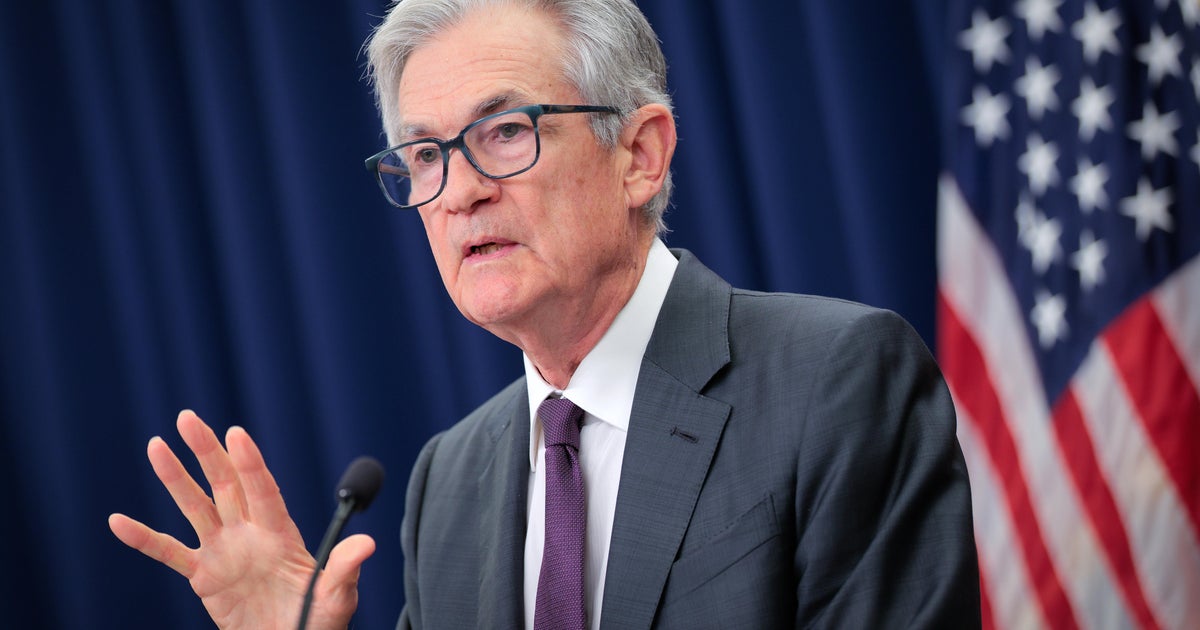
Federal Reserve Chair Jerome Powell has voiced significant concern over a cooling U.S. labor market, citing a sharp slowdown in job growth, with average monthly additions plummeting from 168,000 in 2024 to 35,000 over the last three months. This deterioration, attributed partly to U.S. tariffs and AI adoption, is further evidenced by a 20% year-over-year surge in long-term job seekers and increasing difficulty for young workers, despite the currently low 4.2% unemployment rate being a lagging indicator. The weakening labor conditions are prompting expectations for the Fed to cut its benchmark interest rate as early as next month to stimulate the economy.
Federal Reserve Chair Jerome Powell has explicitly signaled a dovish pivot, citing significant and accelerating weakness in the U.S. labor market. The core evidence for this concern is the dramatic deceleration in hiring, with average monthly job gains collapsing from 168,000 in 2024 to just 35,000 over the last three months. This slowdown is compounded by downward revisions to prior months' data and structural issues, including a 20% year-over-year surge in long-term unemployment, which now affects 1.8 million people. Expert commentary within the report reinforces this pessimistic outlook, pointing to corporate plans for future layoffs and a 'real cooling' driven by headwinds from U.S. tariffs and the integration of artificial intelligence, which is displacing entry-level roles. While the headline unemployment rate remains low at 4.2%, it is explicitly framed as a lagging indicator, masking the forward-looking risks of 'sharply higher layoffs' that are prompting the Fed to consider its first benchmark interest rate cut since December 2024 to stimulate the economy.
AI-powered research, real-time alerts, and portfolio analytics for institutional investors.
Overall Sentiment
strongly negative
Sentiment Score
-0.75
