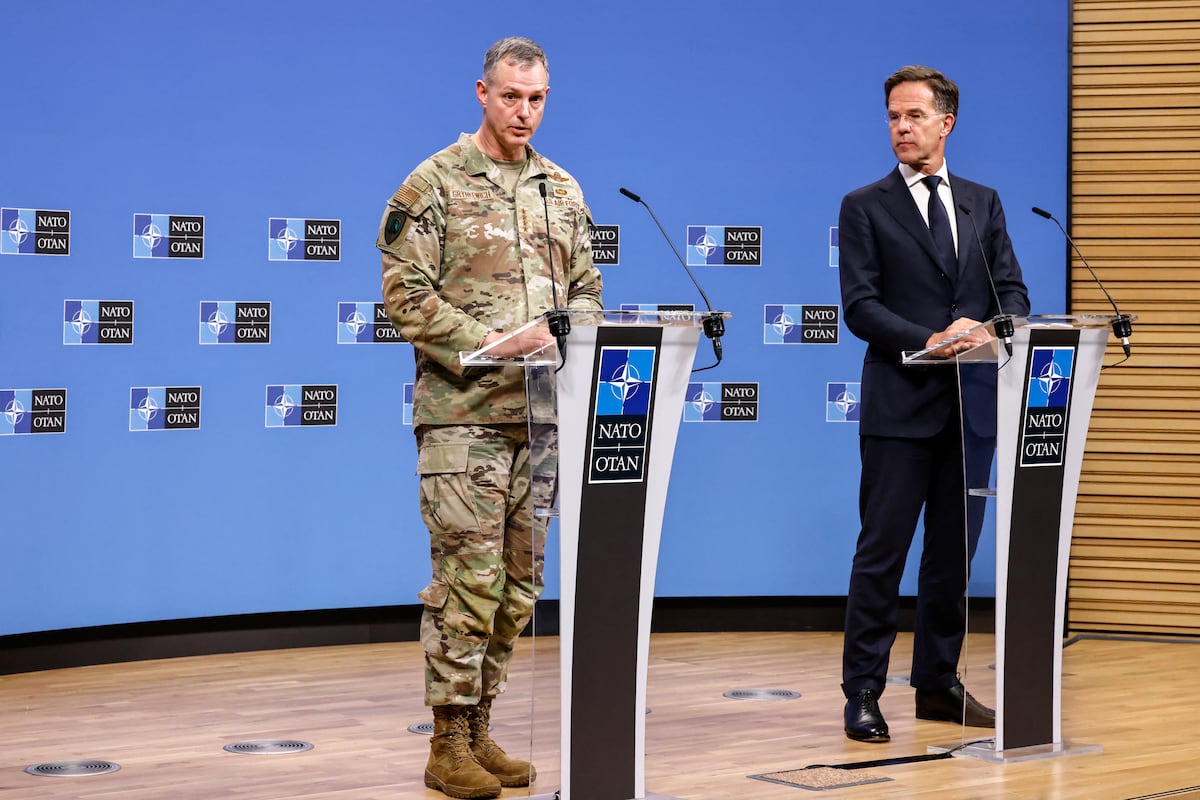
NATO’s Supreme Allied Commander Europe warned that Russia and China are increasingly conducting joint patrols and military-relevant research in the Arctic as ice recedes, posing growing strategic threats to NATO allies and critical underwater and navigation infrastructure. He said Chinese icebreakers and research vessels and Russian testing in the Barents Sea aim to gain military advantage, while NATO has consolidated Arctic activities under Joint Force Command Norfolk and is boosting ISR, logistics and Arctic-capable forces, including Baltic Sentry protections. The development raises downside risks for regional security, could reinforce higher defense spending and reshape shipping, resource access and infrastructure security in the high north.
Market-structure: Arctic militarization is a net positive for aerospace & defense (Lockheed LMT, Northrop NOC, RTX), ISR/satellite firms (MAXR) and specialized shipbuilders; losers include Arctic tourism/cruise (CCL, RCL), Russian energy JV counterparties, and insurers/reinsurers facing higher polar risk. Pricing power shifts to prime defense contractors via multi-year procurement (expect mid-single-digit annual revenue tailwinds over 12–36 months) while commodity effects on oil/LNG remain ambiguous until infrastructure decisions crystallize. Risk assessment: Tail risks include kinetic incidents or cyber attacks on subsea infrastructure that could spike insurance rates and commodity volatility (oil +10–20% shock plausible short-term). Immediate (days) — limited market reaction; short-term (3–12 months) — NATO procurement announcements and intelligence-sharing deals; long-term (1–5 years) — infrastructure buildout and new Arctic shipping lanes. Hidden dependencies: reinsurance cycles, export-control regimes, and satellite ISR cadence will materially alter winners. Trade implications: Favor 6–24 month exposure to big-cap defense via concentrated long (LMT, NOC, RTX) using call spreads to cap premium, and a small hedge long GLD (2–3%) as geopolitical insurance. Take tactical short exposure to cruise/shipping (CCL, RCL) with 3–6 month put spreads priced for 10–25% downside and use sector ETF ITA for diversified defense exposure over 3–12 months. Contrarian view: The market may overstate immediate kinetic risk and underprice secular demand for undersea-detection, ISR/satellite services, and Arctic-capable logistics suppliers which will drive multi-year contracts and higher margins. Historical Cold War analogs suggest durable defense budgets; unintended consequence — accelerated decoupling from Russian energy could reallocate capital into LNG/renewables (benefitting EQNR, LNG exporters) rather than upstream Russian plays.
AI-powered research, real-time alerts, and portfolio analytics for institutional investors.
Request DemoOverall Sentiment
moderately negative
Sentiment Score
-0.45
