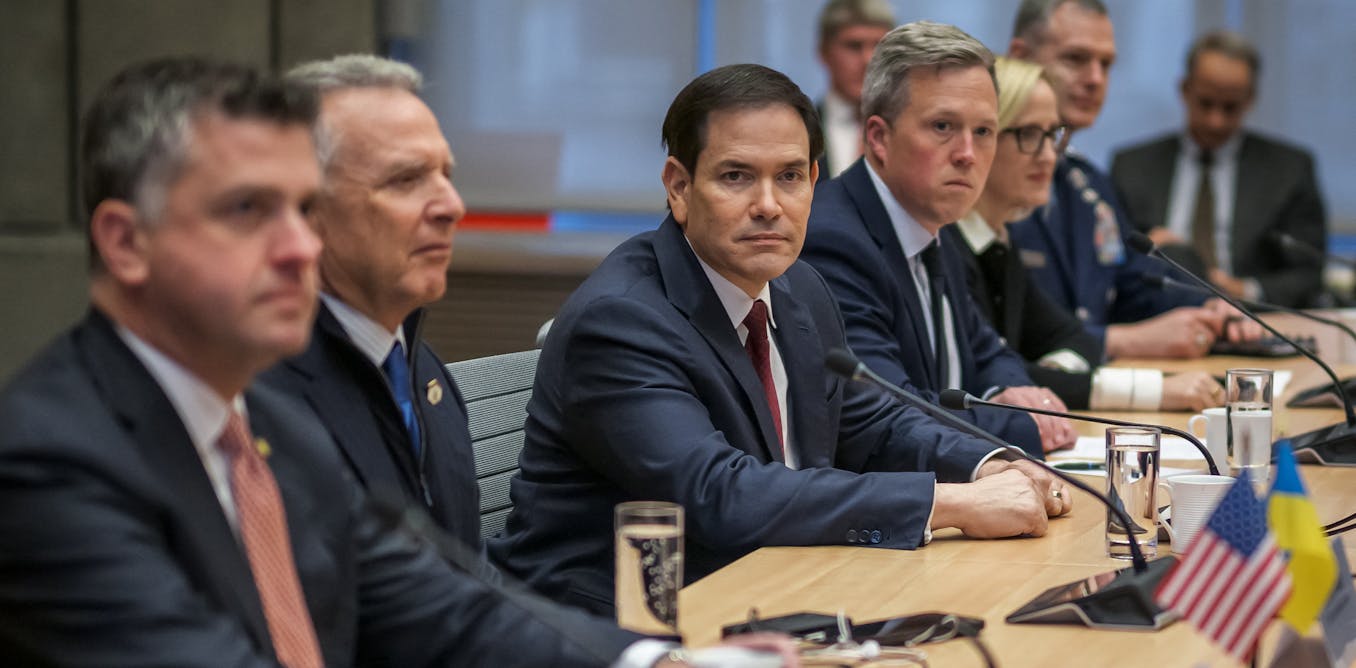
On Nov. 20, 2025 the Trump administration presented Ukraine a 28-point peace proposal with a Thanksgiving deadline that would require Ukraine to reduce its army from roughly 800,000+ to 600,000, cede territory (including some not currently occupied), forgo NATO membership, and secure Russia's readmission to the G7 with sanctions lifted. The plan has been criticized by Ukraine, European allies and US officials as heavily pro‑Russian, risks empowering the Russian war economy via restored energy exports just ahead of winter in Europe, and has generated internal US confusion over authorship and a lack of professional diplomatic process as negotiations continue in Geneva.
Market structure: If Russian hydrocarbon flows materially resume, expect a 5–15% downside shock to Brent/TTF within 2–8 weeks as winter marginal demand is satisfied; winners include commodity traders, spot cargo buyers and oil majors with Russian exposure, while US LNG exporters (high marginal cost supply) and European LNG suppliers lose pricing power. Competitive dynamics will shift pricing power back to pipeline suppliers and integrated majors, compressing spark spreads and EBITDA for merchant gas/LNG players by an estimated $0.50–$1.50/MMBtu over the winter season. Cross-asset: lower oil/natgas should reduce headline inflation expectations, pressuring 10yr yields by ~10–30bp and weighing on gold; RUB would appreciate materially (potentially +10–30% vs USD) if sanctions lift, increasing EM FX dispersion and option vols in EUR/RUB and Brent/RUB pairs.
Risk assessment: Tail risks include abrupt re-sanctions or conflict escalation that would spike oil/gas volatility >+60% IV and force precipitous margin calls for short-commodity positions; cyber or supply-chain attacks on European grids are second-order risks that could reflate gas prices. Time horizons: immediate (days) = volatility and directional moves on headlines, short-term (weeks–3 months) = price discovery around flows and LNG contract re-routing, long-term (6–24 months) = structural capex shifts in European renewables and US LNG FID economics. Catalysts: Geneva negotiation outcomes (next 1–4 weeks), EU emergency gas inventories and OPEC supply meetings.
Trade implications: Direct: initiate a 3% portfolio short in Cheniere Energy (LNG) targeting 15–25% downside over 1–3 months with hard stop +12% if TTF remains >€60/MWh; establish a 2–3% long position in US airlines Delta (DAL) and Southwest (LUV) equally weighted expecting fuel cost tailwind driving 10–25% EBITDA upside within 3–6 months. Options: buy a 3-month put spread on XLE (buy 1 ITM put, sell 1 further OTM put ~10–15% width) to express a 10–20% oil decline with defined risk; maintain a 1–2% tail hedge in GLD (long) to protect against geopolitical escalation.
Contrarian angles: Consensus focuses on immediate market fear; missed is the structural hit to US LNG FCF — markets may underprice contract rollover risk and charter demand; historical parallels (2014 sanction cycles) show >20% overshoots both directions before mean reversion. Reaction may be overdone in defense equities priced for unending upside; if the proposal collapses or is partially reversed, expect sharp snapback in oil/defense vols and a rapid rally in LNG names—plan exits and stop rules should be explicit (TTF threshold €70 or Brent >$95 triggers reassessment).
AI-powered research, real-time alerts, and portfolio analytics for institutional investors.
Request DemoOverall Sentiment
moderately negative
Sentiment Score
-0.50
