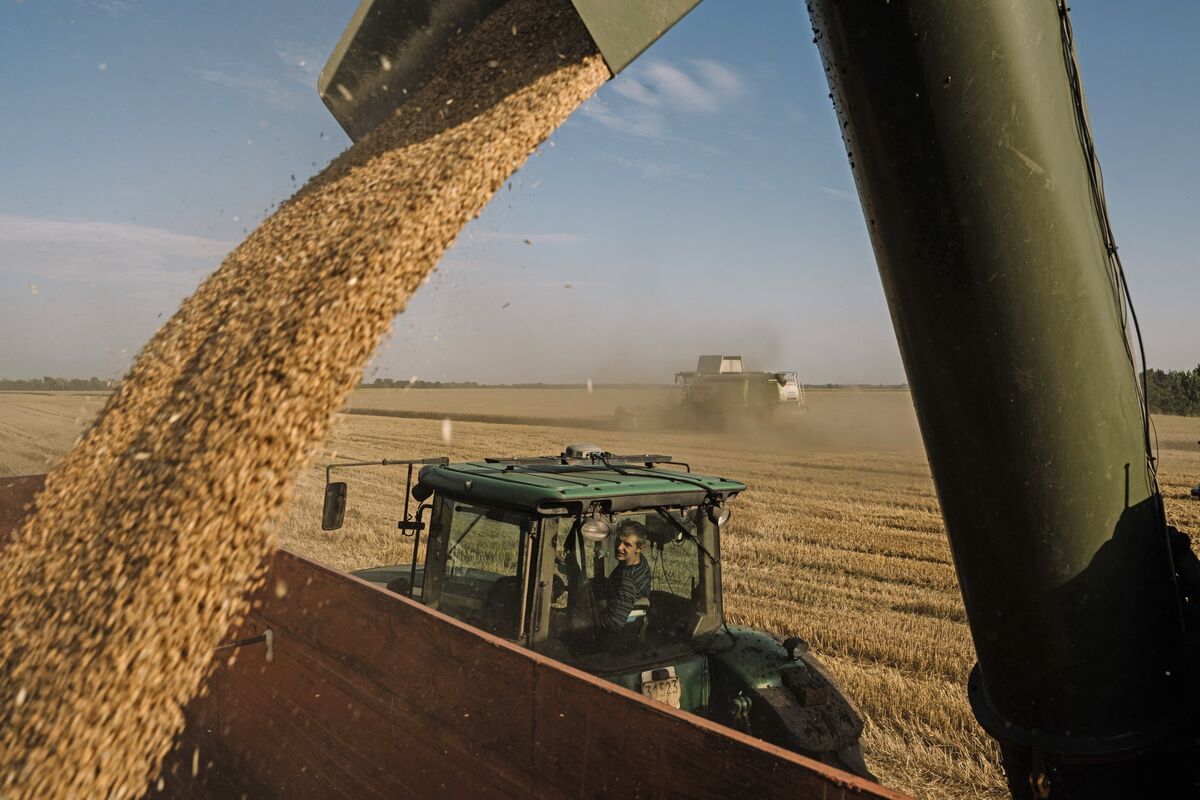
The European Union will reinstate trade quotas on Ukrainian agricultural imports effective June 6, reversing a 2022 decision to eliminate them in support of Ukraine's war-hit economy. The European Commission confirmed the reimposition of these limits, a move that adds to the economic challenges facing Ukraine as the conflict with Russia continues.
The European Union's decision to reinstate trade quotas on several agricultural imports from Ukraine, effective June 6, marks a significant policy reversal and introduces further economic headwinds for the war-afflicted nation. These limits, initially removed in 2022 following Russia's invasion to bolster Ukraine's agricultural sector and wider economy, are now being reimposed by the European Commission, as confirmed to Bloomberg News. This development directly impacts Ukraine's ability to export key agricultural products to the EU, a crucial market, thereby exacerbating the economic challenges it faces amidst the ongoing conflict. The move signals a potential recalibration of the EU's wartime trade concessions, reflecting complex internal pressures within the Union, and has moderately negative implications for Ukraine's economic stability and its agricultural export revenues.
AI-powered research, real-time alerts, and portfolio analytics for institutional investors.
Request DemoOverall Sentiment
moderately negative
Sentiment Score
-0.50
