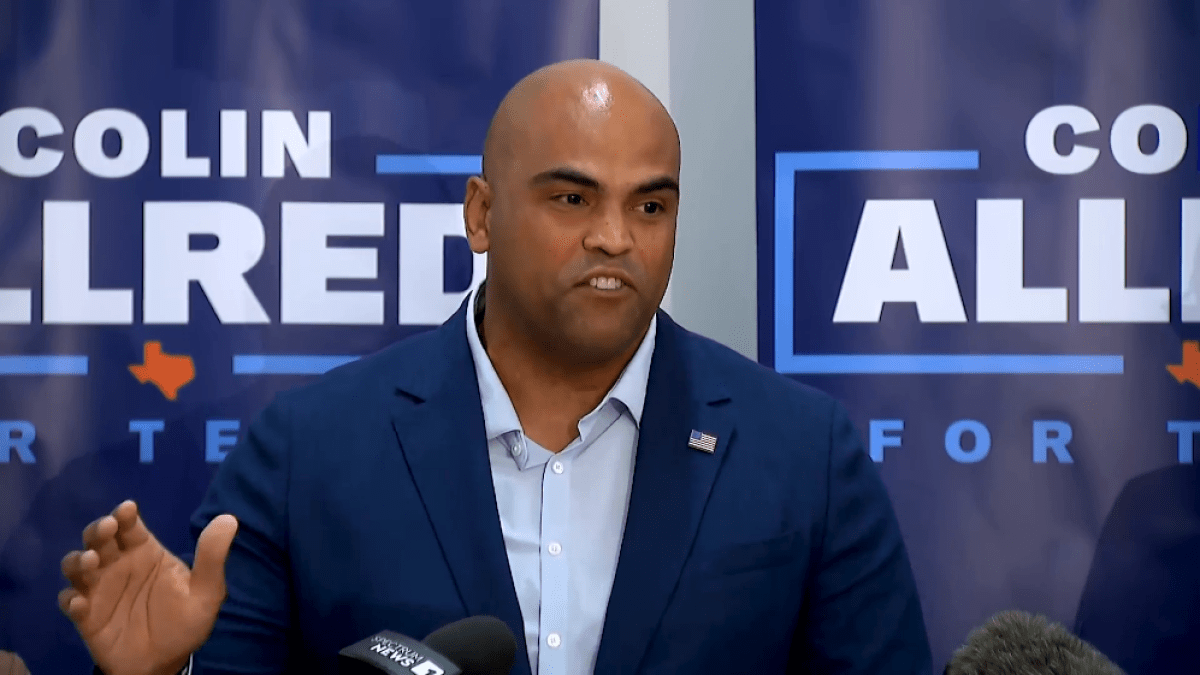
The article covers the Texas Congressional District 33 Democratic runoff between Colin Allred and Julie Johnson, with both candidates vying for the seat after representing District 32. Allred is attempting a return to the House after dropping his Senate bid, while Johnson highlights consumer protection and healthcare access as priorities. The piece is primarily political coverage and does not present a material market-moving development.
The market relevance here is not the House seat itself, but the signal that a competitive, fundraising-intensive intraparty contest is being settled by two incumbency-capable Democrats with overlapping donor and activist networks. That tends to favor consulting, media, and field-operation vendors over any broad sector exposure, because the spending is front-loaded and concentrated over the next several weeks rather than spread into a national cycle. The second-order effect is on Texas policy expectations: a more moderate-to-progressive alignment inside a large urban district nudges the overhang toward consumer and healthcare advocacy, but the probability of near-term federal policy translation remains low. In practice, the tradeable impact is mostly on sentiment-sensitive groups tied to regulatory risk—managed care, hospital operators, and consumer financials—where even small shifts in rhetoric can influence local coverage, prior authorization, and consumer-protection scrutiny over a 3-12 month horizon. The key tail risk is that a contentious runoff depresses enthusiasm and drags turnout infrastructure into the general-election phase, weakening down-ballot Democratic mobilization in Texas metro areas. If that occurs, the loser’s donor network and field apparatus may partially disengage for months, reducing the efficiency of future Democratic spend in the region and slightly improving the odds for Republican resource allocation elsewhere in the state. Consensus may be overestimating the symbolic importance of the winner and underestimating the operational value of the spending burst around the race. The right lens is not policy beta, but who controls local political cash flow and activist attention for the next election season; that is where the marginal economic effect sits.
AI-powered research, real-time alerts, and portfolio analytics for institutional investors.
Request DemoOverall Sentiment
neutral
Sentiment Score
0.00
