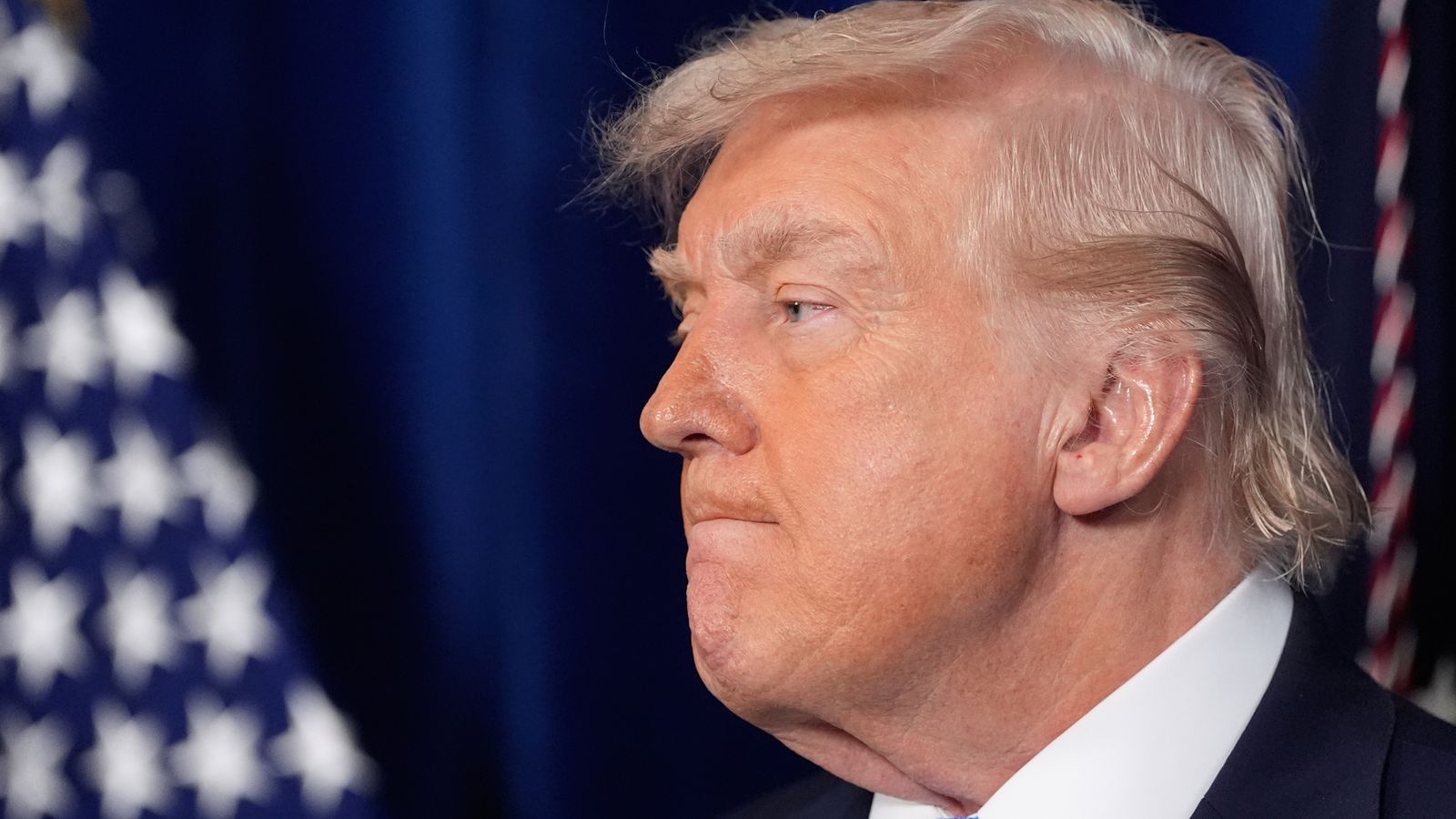
The US has captured Venezuelan leader Nicolás Maduro and President Trump framed the action under a revived Monroe Doctrine—calling it the 'Donroe Doctrine'—effectively signalling US control over Venezuela and warning that other regional actors (Mexican cartels, Cuba, Colombia) could be targeted next. The development materially raises geopolitical risk across the Western Hemisphere, creating potential disruption to Venezuelan oil flows and increasing tail risk for energy, emerging-market and geopolitically sensitive assets, with implications for sanctions, military exposure and investor risk premia.
Market structure: Immediate winners are US defense primes (LMT, RTX, NOC), private security/logistics contractors, and oil-price-volatile plays; immediate losers are Latin American sovereign credit and FX (MXN, COP) and regional EM equities because of higher risk premia. If Washington attempts to restore Venezuelan production, global supply could rise materially but only slowly—realistic ramp is 0.3–1.0 mb/d over 12–24 months, which would compress prices then but likely raise them in the near term due to operational and geopolitical disruption.
Risk assessment: Tail risks include wider regional military or cartel retaliation, cyberattacks on energy infrastructure, and diplomatic blowback leading to sanctions or trade fragmentation; any such event could spike oil >15% in days and widen EMB spreads by 200–500bps. Time horizons: days (risk-off volatility, FX shocks), weeks–months (flight-to-safety, CDS widening), 12–24 months (structural changes if Venezuelan output is rehabilitated). Hidden dependencies include need for CAPEX, skilled crews, legal claims on PDVSA assets, and coordination with majors.
Trade implications: Position defensively and use options to control downside. Near term (0–3 months) favor convex oil/defense exposure (short-dated oil calls or OVX puts/calls depending on hedge), FX hedges (long USD/MXN, USD/COP options), and trim EM sovereign and regional equity exposure by 20–30%. Over 3–24 months, selectively rotate into global oil majors that can deploy capital (CVX, BP) if evidence of credible Venezuelan restoration appears.
Contrarian angles: Consensus assumes sustained oil spike and permanent defense windfall; that risks overpaying—restoring Venezuelan output is capital- and time-intensive so medium-term supply upside is underpriced. Historical parallels (Panama, Iraq stabilization cycles) show short-term geopolitical headlines can cause outsized volatility but mean reversion over 9–24 months; favor option structures and pair trades rather than outright large directional bets.
AI-powered research, real-time alerts, and portfolio analytics for institutional investors.
Request DemoOverall Sentiment
moderately negative
Sentiment Score
-0.40
