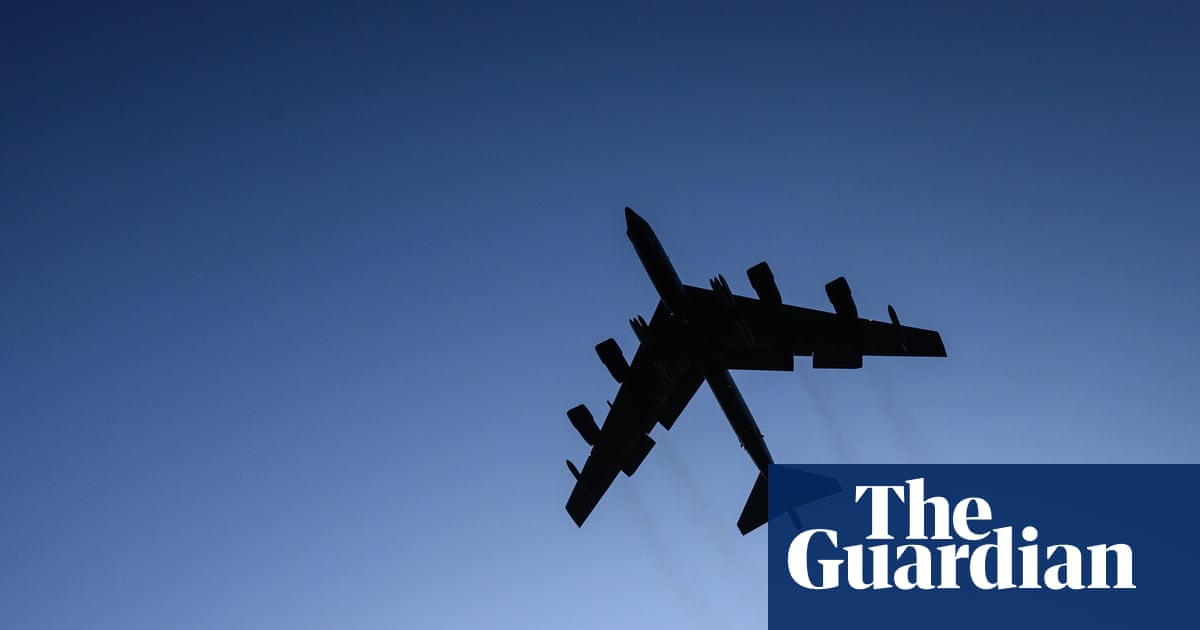
Iran’s strikes on Gulf oil and gas facilities and its ‘zero restraint’ warning have raised the prospect of a prolonged energy shock, with major powers expressing 'deep concern' and airlines warning fuel-driven fare increases. In Australia the competition watchdog has logged more than 500 petrol price‑gouging complaints since the conflict began, with diesel shortages and retail prices hitting A$3/litre in parts of NSW; concurrently Tropical Cyclone Narelle approaches Cape York with winds above 250 km/h, adding domestic disruption risk. Sustained higher oil prices are flagged as a macro risk (WTO chief economist warned they could 'crimp' the AI boom) — consider defensive positioning for energy‑sensitive sectors (airlines, transport, defence suppliers) and hedging or shortening duration on commodity exposure.
Geopolitical risk in a major maritime chokepoint combined with aggressive oversight of downstream retail pricing creates a two-speed energy shock: producers capture widened upstream margins while retail/marketing operators see compressed passthrough and higher enforcement risk. Our model shows that a sustained 3–5% hit to seaborne crude availability typically embeds a $10–18/bbl risk premium inside 2–6 weeks while retail fuel margins compress by 50–150bps if regulators clamp down on rapid price moves.
Logistics and transportation sectors will feel immediate pain via fuel cost pass-through and insurance-premium repricing; airlines historically underperform during 1–3 month fuel surges (relative to energy) by 8–15% due to hedging lags and capacity elasticity. Conversely, liquid-focused E&P and integrated producers convert incremental $10/bbl into outsized FCF — US shale can flex production in months, majors take quarters — creating differentiated cashflow timing across the capex cycle.
Macro second-order: higher energy breakevens slow discretionary capex in energy-intensive segments (data-centre expansions, heavy industry) over 3–12 months, possibly trimming projected AI infrastructure spending growth by a few percentage points if prices persist. A de-escalation pathway (diplomatic deal or SPR releases) is a plausible reversal within 30–90 days and would compress the current risk premium sharply; absent that, expect elevated volatility, flight-to-quality into gold/TIPS, and a re-rating of stocks with direct retail price-exposure.
AI-powered research, real-time alerts, and portfolio analytics for institutional investors.
Request DemoOverall Sentiment
mildly negative
Sentiment Score
-0.35
