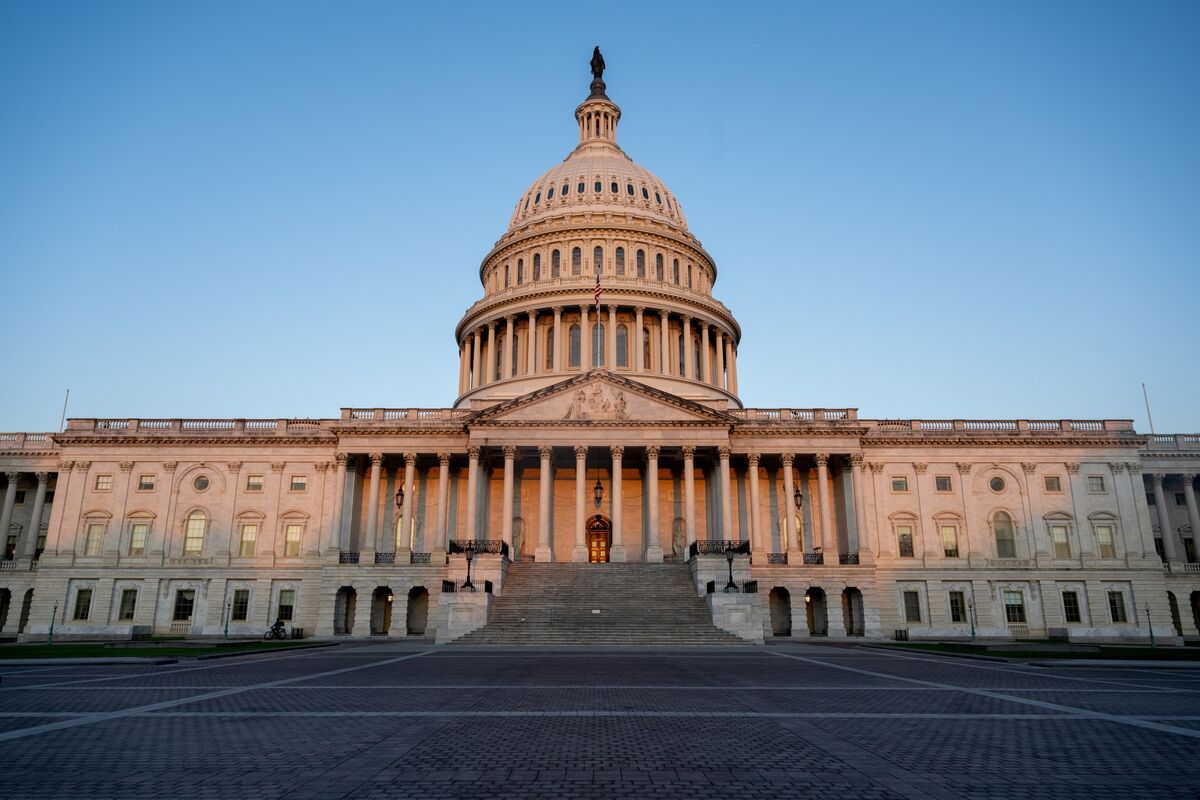
The impending US government shutdown, anticipated by the end of the fiscal year next Tuesday, is poised to be unusually unpredictable and disruptive. This is due to the Trump administration's reported rewriting of standard agency shutdown protocols, potentially escalating the impact beyond historical precedents and creating significant operational uncertainty.
An impending US government shutdown, expected by the fiscal year-end next Tuesday, carries a heightened level of risk compared to historical precedents. The key differentiating factor is the Trump administration's reported rewriting of established federal agency shutdown playbooks, which introduces a significant degree of operational uncertainty. This deviation from standard procedure makes the potential shutdown uniquely unpredictable and potentially more disruptive than prior events. The strongly negative sentiment score of -0.65 and a high market impact score of 0.65 quantify the market's apprehension, signaling that this is not a routine political standoff but a material source of near-term volatility and fiscal risk.
AI-powered research, real-time alerts, and portfolio analytics for institutional investors.
Request DemoOverall Sentiment
strongly negative
Sentiment Score
-0.65
