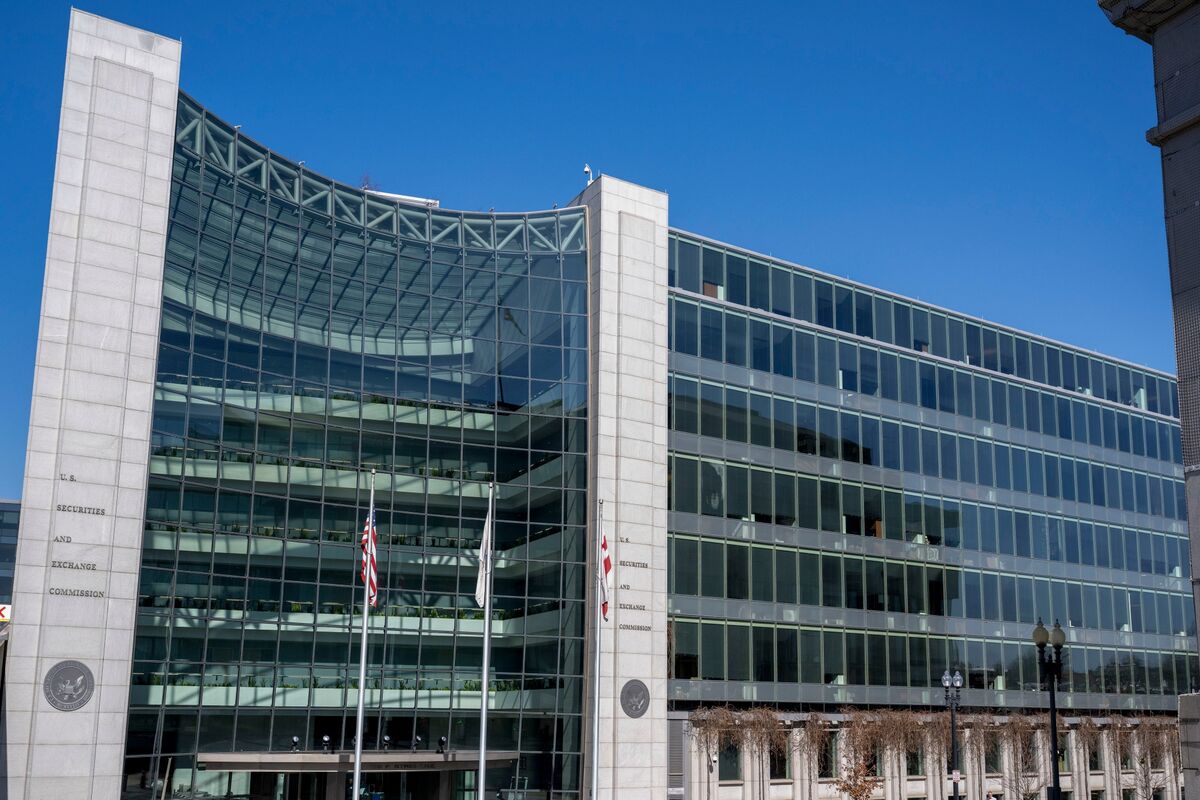
The SEC is set to vote next week on a proposal that could fully repeal the 20-year-old trade-through rule, with Trading and Markets Division Director Jamie Selway saying a full scrap is 'genuinely on the table.' The move would be a meaningful market-structure regulatory change, particularly for exchanges and trading venues. While the article is factual and non-directional, the policy shift could affect trading dynamics and sector positioning.
A full repeal would shift the market structure debate from micro-optimization to fee capture. If the rule disappears, the immediate winners are venues and brokers with the best internalization, routing, and latency stack; the losers are legacy exchanges whose protected quote status has historically supported take rates. The second-order effect is a likely widening of dispersion between “execution quality” leaders and commoditized venues, which should translate into a more durable spread between fintechs that monetize order flow efficiently and those that rely on plain-vanilla brokerage economics.
The bigger implication is that removing a friction point can increase displayed fragmentation before it improves genuine price competition. That usually boosts messaging traffic, market-data demand, and routing complexity first, which benefits infrastructure providers more than front-end brokers over the next 3-12 months. It also raises the probability of a short-term volatility spike around implementation because algorithms will need to re-optimize slippage models and smart-routing logic across a changed best-execution regime.
Consensus may be underestimating how asymmetric this is for low-latency and market-structure names versus the broader financials complex. The repeal itself is not a demand shock, but it is a margin reallocation event: the economic rent shifts from protected venue economics toward execution tech and away from slower, fee-dependent incumbents. The main reversal risk is political or litigation delay, which would compress the timing window and favor trading the rumor rather than holding for the rule change.
For the next several months, the cleanest expression is to own the picks-and-shovels beneficiaries while fading the most exposed exchange-fee model on strength. If the SEC follows through, the trade should work fastest in the names tied to routing quality, market data, and electronic execution rather than in broad market beta.
AI-powered research, real-time alerts, and portfolio analytics for institutional investors.
Request DemoOverall Sentiment
neutral
Sentiment Score
0.05
