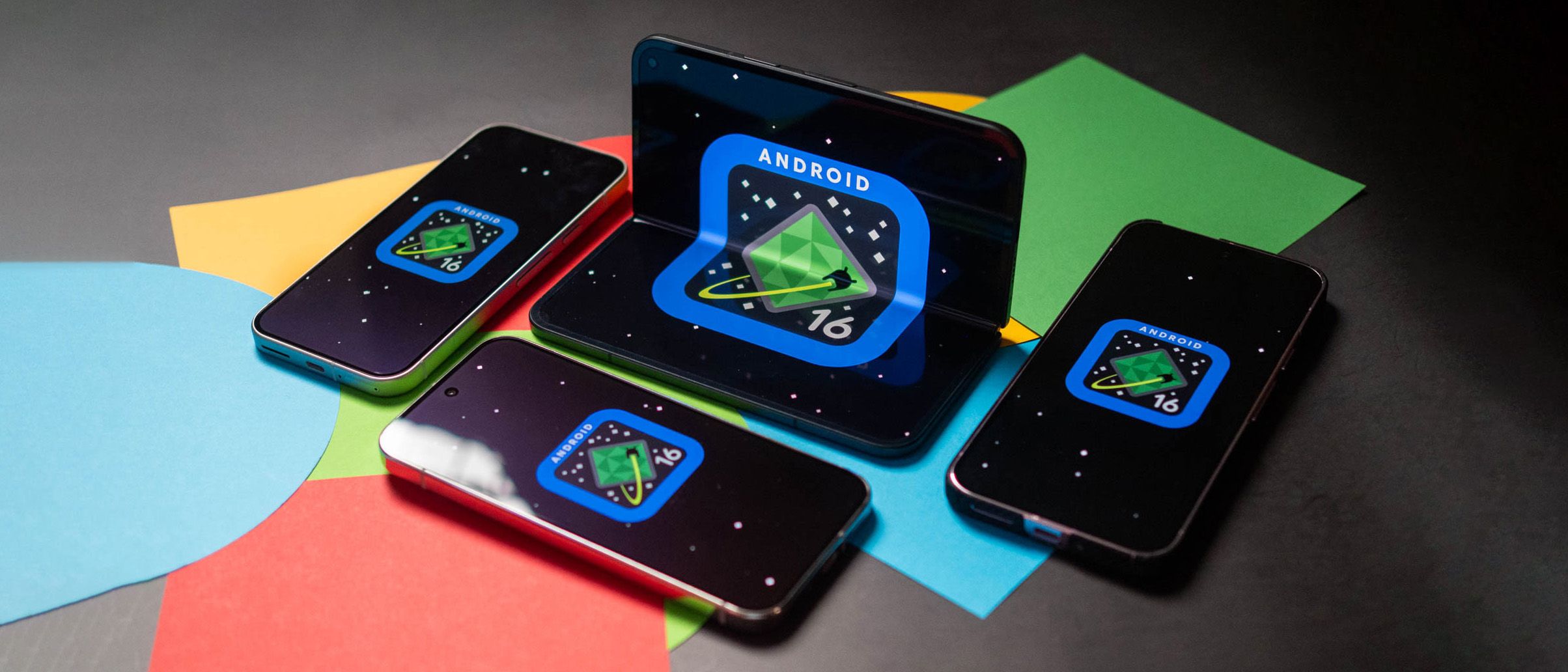
Google advanced Android in 2025 by accelerating the Android 16 stable release to coincide with Pixel launches, adopting a biannual update cadence (major summer build, minor winter release), and rolling out a major UI refresh (Material 3 Expressive) alongside deeper AI features on the Pixel 10 Pro XL (Magic Cue, real-time call translate, image-editing tools). Strategic efforts to integrate ChromeOS into a desktop-class “Aluminium OS” remain delayed toward mid-2026, while XR initiatives (Project Aura with Xreal) signal hardware expansion; persistent OEM update fragmentation (notably Xiaomi and Motorola) remains a key risk to device longevity and ecosystem uniformity, with implications for Android partner sales, user retention, and Google’s platform monetization.
Market structure: Alphabet (GOOGL/GOOG) is the primary beneficiary — tighter Android/ChromeOS integration, Pixel AI features and XR partnerships should lift services ARPU and platform lock-in, supporting 10–25% incremental TAM for AI-driven features over 12–24 months. Hardware OEMs that under-invest in updates (Xiaomi, Motorola-class players) are losers; expect fragmentation to keep pricing power concentrated with flagship OEMs and platform owners. Incremental demand will tilt toward semiconductors and cloud infra (mid-single to double-digit percent revenue upside for suppliers in 2026), while credit spreads for small OEMs could widen modestly if handset margins compress.
Risk assessment: Tail risks include EU/US antitrust or privacy rulings (forced data/AI constraints) and XR supply-chain delays — either could erase 50–100% of near-term monetization on new features. Immediate (days) impact is low; key risk windows are product launches and Q3–Q4 2025 earnings (short-term) and Aluminium OS/XR adoption in 12–24 months (long-term). Hidden dependencies: OEM cooperation, developer tooling adoption, and chip availability (node constraints) are single points of failure. Catalysts: Pixel shipments (fall), Google I/O/earnings, and regulatory actions (DMA/FTC) will accelerate or reverse momentum.
Trade implications: Tactical: establish a 2–3% long in GOOGL equity (class A) with a 6–12 month horizon targeting +15–25% on better ad/AI monetization; hedge with a 9-month call spread (buy ATM, sell ~+15% OTM) to cap cost. Add 1–2% exposure to QCOM to play XR/Android silicon demand, 9–18 month hold. Reduce exposure to consumer OEMs/EM and retail handset suppliers by 20–50% (reallocate to software/AI infra). Use a small (0.5–1%) put position on META 9–12 month OTM as insurance if XR competition intensifies or ad revenue rebalances.
Contrarian angles: The market may overestimate near-term revenue from UI/AI polish — meaningful ARPU lift likely lags 6–12 months and requires OEM buy-in; current sentiment (mildly positive) may be underpricing regulatory fallout. Aluminum OS could paradoxically increase fragmentation if vendors fork, benefiting cross-platform middleware and cloud AI providers rather than device OEMs. Trades that simply long consumer UX winners without hedging regulatory or supply delays are underdone and vulnerable to 30–50% drawdowns in downside scenarios.
AI-powered research, real-time alerts, and portfolio analytics for institutional investors.
Request DemoOverall Sentiment
mildly positive
Sentiment Score
0.28
Ticker Sentiment
