
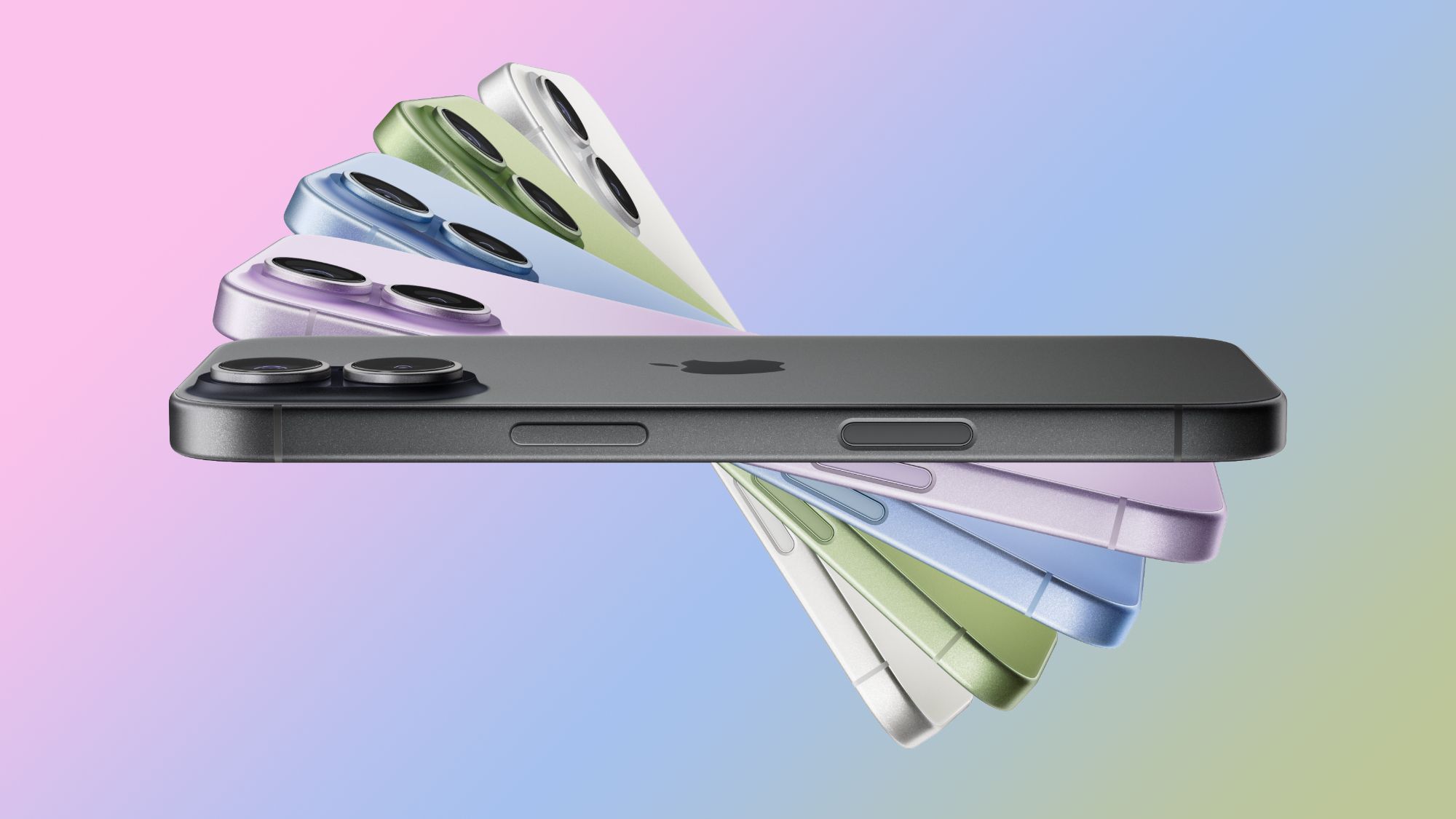
IDC warns that AI-driven demand for high-bandwidth memory (HBM) is creating a DRAM shortage that will drain global memory supply into 2026–mid-2027, spike prices and depress smartphone volumes by 13% (shipments falling to 1.1 billion in 2026 from 1.26 billion in 2025). Cheap Android models are likely to be hit hardest while Apple is better positioned to absorb higher LPDDR5X costs (reports suggest Apple is paying Samsung roughly twice as much for some chips); IDC expects elevated memory prices to persist and potentially permanently shift the market toward higher-priced smartphones.
Market structure: Memory vendors and AI/server customers are the clear winners while low‑end smartphone OEMs are the losers — IDC forecasts a 13% smartphone shipment drop to 1.1bn in 2026 (from 1.26bn), with stress persisting until mid‑2027. Suppliers of HBM and prioritized DRAM (Samsung 005930.KS / SSNLF, SK Hynix 000660.KS, Micron MU) and semiconductor capital equipment (AMAT, LRCX, KLAC) gain pricing power and margin expansion as buyers compete for capacity.
Risk assessment: Tail risks include regulatory intervention (export controls or anti‑price‑gouging probes), a sudden AI demand slowdown reducing HBM priority, or accelerated fab expansions that relieve shortages faster than mid‑2027—each could flip prices by >30% within 6–18 months. Immediate (days/weeks): spot DRAM indices and vendor Qs will move stocks; short term (3–9 months): OEM margin compression and shipment cuts; long term (12–24 months): structural re‑pricing of smartphone ASPs and capex cycles.
Trade implications: Favor cyclical long exposures to memory and semicap and selective long AI hardware (NVDA) while underweight/toxic names in low‑end Android OEMs and retail device distributors. Use options to express views (directional for vendors, hedges for premium OEMs like AAPL) and prefer 6–18 month horizons to capture elevated pricing plus fab investment benefits.
Contrarian angles: Consensus overlooks two things — carriers and refurb/resale channels will blunt unit declines (raising ARPU but lowering new unit demand), and Apple can choose to pass costs, meaning AAPL downside is capped; conversely, investors may have already priced in a memory rally into earnings, so mean reversion after a positive vendor print is possible. Historical DRAM supercycles show outsized vendor returns followed by 20–40% pullbacks when capex turns on; plan exits around capex announcements and DRAM spot normalization.
AI-powered research, real-time alerts, and portfolio analytics for institutional investors.
Request TrialOverall Sentiment
strongly negative
Sentiment Score
-0.60
Ticker Sentiment
