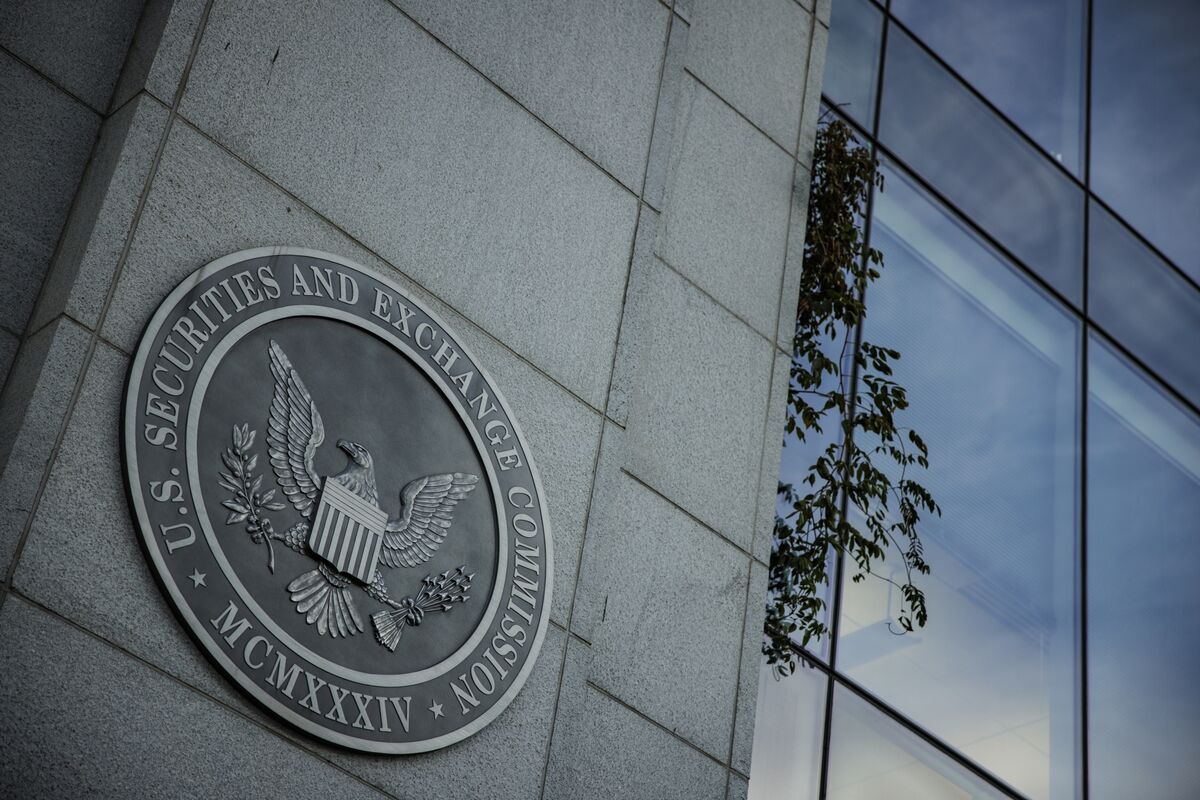
The SEC has proposed scrapping the long-standing trade-through rule, a change that would allow executions at prices worse than the national best bid or offer. The move is viewed as a clear potential win for crypto markets, which could benefit from a more flexible trading structure. The proposal is regulatory in nature and could have sector-level implications for market structure and trading venues.
The real winner is not “crypto” in the abstract but the subset of venues and intermediaries that already operate with fewer legacy best-execution constraints: offshore exchanges, internalizers, and broker-dealers that can route flow into fragmented liquidity pools with less compliance drag. If the rule weakens, price dispersion should widen first, which mechanically benefits makers and venues with faster matching/latency and hurts traditional exchanges whose advantage has been regulatory trust rather than spread capture. That creates a second-order tailwind for crypto market structure players that monetize flow quality over headline volume.
The medium-term implication is a tighter link between regulatory permissiveness and crypto adoption among institutions that previously hesitated on market integrity grounds. Once investors accept that “best price” standards are being relaxed in equities, the political overhang on crypto market design falls because the argument that traditional markets are uniquely protected becomes harder to defend. That is constructive for exchange-native assets, custody, and prime-brokerage infrastructure, but negative for any business model reliant on centralized equities market quality as a moat.
Risk is that this remains a proposal and becomes a bargaining chip in a broader SEC rulemaking cycle rather than an immediate regime change. In the near term, the market could misread the signal and price a straight-line boost to all crypto beta; in reality, the first beneficiaries are infrastructure names and liquidity providers, while spot tokens only re-rate if this translates into durable institutional participation over several months. A sharp reversal would come if political backlash frames the move as harming retail investors, pushing the SEC to narrow or delay implementation.
The contrarian view is that the move may be more pro-disintermediation than pro-crypto. If execution quality deteriorates in equities, some capital may actually rotate toward transparent, on-chain venues and away from opaque intermediaries, but that transition is slower than the market will likely price. The opportunity is therefore in the picks-and-shovels, not the broad crypto complex.
AI-powered research, real-time alerts, and portfolio analytics for institutional investors.
Request DemoOverall Sentiment
mildly positive
Sentiment Score
0.35
