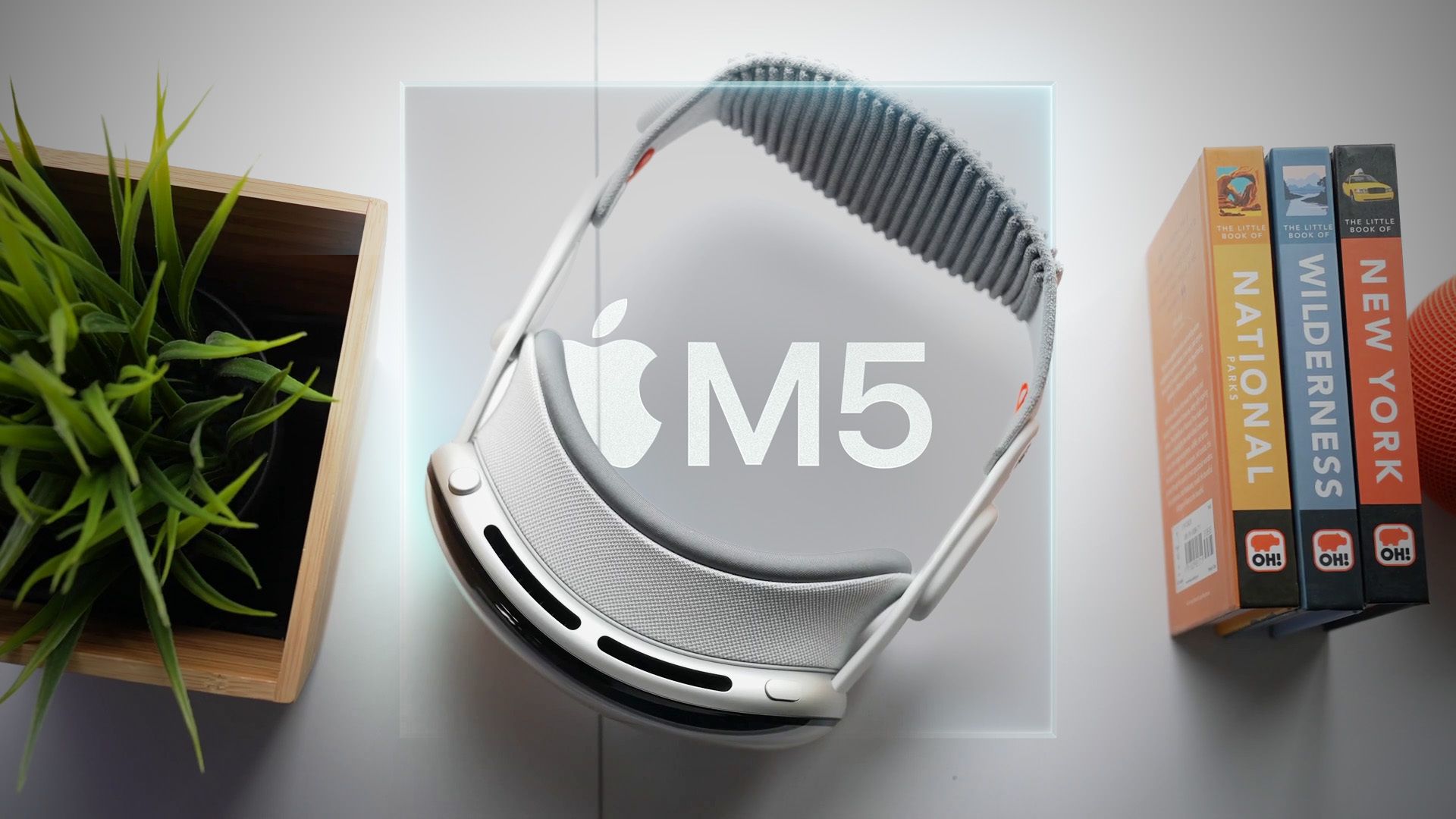
Apple has effectively shelved the Vision Pro line after the M5 refresh failed to revive demand, with total sales around 600,000 units and unusually high return rates cited by insiders. The headset remains at $3,499 despite only modest upgrades, and Apple has reportedly redistributed the team to other projects with no new Vision Pro model planned. Apple is instead prioritizing smart glasses, but the initial version will lack an integrated display.
This is less a product setback than a strategic write-down of a capital-intensive platform bet that never achieved the installed base needed to create a developer or accessory ecosystem. The second-order implication is that Apple will likely redirect scarce spatial-computing engineering bandwidth toward categories with a clearer upgrade curve and better unit economics, which should improve near-term execution in AI/software but also signals that the company is becoming more disciplined about pruning low-velocity moonshots.
For AAPL, the core issue is not one product line’s revenue contribution, but the opportunity cost embedded in halo-product narratives. A failed premium hardware category tends to compress investor willingness to underwrite adjacent launches, especially when the replacement path is a lower-ASP, wearables-driven roadmap that monetizes over years rather than quarters. That shifts the burden back to services and the iPhone refresh cycle to justify multiple support.
Competitively, the biggest beneficiaries are not obvious headset peers so much as mixed-reality and consumer AI players that can frame “good enough” as the winning bar. The move toward AI smart glasses without a display suggests Apple sees battery/power constraints as the gating factor, which means the first commercially viable version may be more of a camera/audio assistant than an AR platform. That reduces the near-term threat to Meta-style glasses incumbents while broadening the risk that Apple’s next category move is incremental, not category-defining.
The contrarian angle is that the market may already be discounting this as a niche product failure, but the deeper signal is governance: Apple is implicitly admitting it will not subsidize prestige hardware indefinitely. If that discipline spreads, it could improve long-run returns on invested capital; if it instead reflects a lack of conviction in new hardware form factors, the multiple deserves a small haircut until AI monetization proves it can replace the old innovation premium.
AI-powered research, real-time alerts, and portfolio analytics for institutional investors.
Request DemoOverall Sentiment
strongly negative
Sentiment Score
-0.52
Ticker Sentiment
