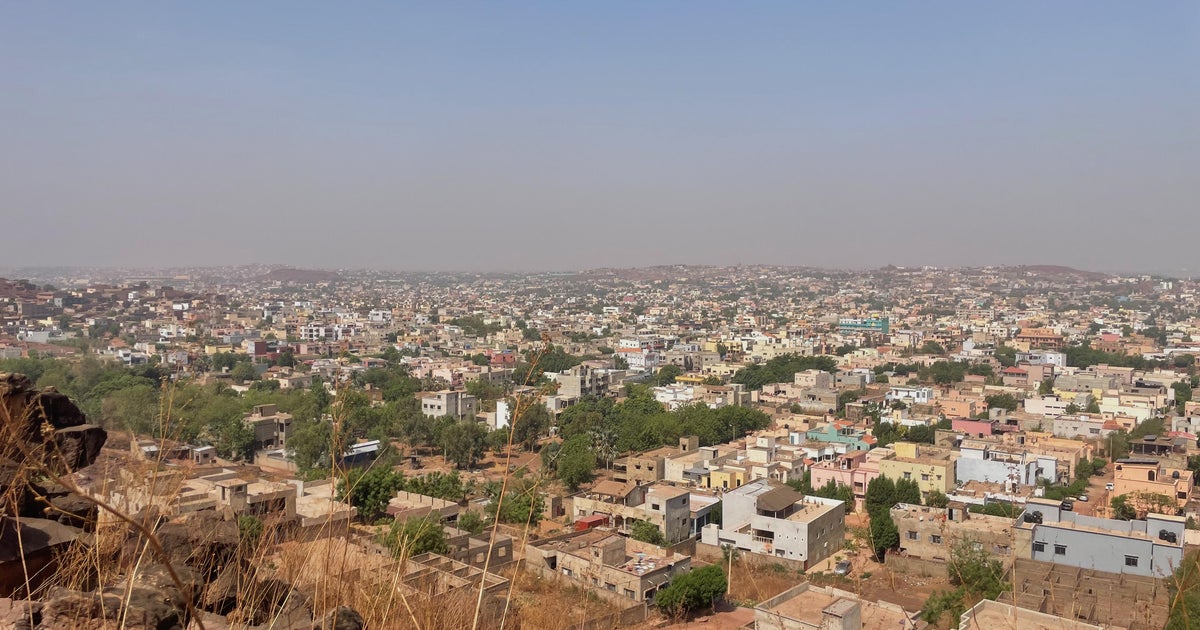
Armed groups launched coordinated attacks across Mali, including Bamako, Kati, Kidal and Gao, with gunfire and explosions reported near Modibo Keïta International Airport and the main military base. The army said it had the situation under control, but reports suggest this may be the largest coordinated assault in years and may involve both jihadists and Tuareg rebels. The escalation heightens regional security risk across Mali and the wider Sahel.
This is not just another Sahel security flare-up; it raises the probability that Mali is moving from chronic insurgency to intermittent state-capital penetration, which is a materially different regime for asset pricing. The market tends to underreact until attacks affect command-and-control nodes, and an airport/military-base adjacency makes the shock more credible because it tests regime survivability, not just perimeter security. Over the next few sessions, the clearest transmission is higher country-risk premia across all Mali-linked sovereign and quasi-sovereign exposures, plus a broader repricing of West Africa security risk through higher insurance, logistics, and extraction costs.
The second-order effect is a potential tightening of the military's response loop: more checkpoints, curfews, and transport friction will hit domestic commerce and mining logistics before they affect headline GDP. Gold and industrial-mineral operators with haulage routed through Bamako or northern corridors face the most immediate operational risk; even without direct damage, a few days of disruption can delay exports and spook contractors, insurers, and offtakers. If the attackers demonstrate coordination with separatist elements, this also increases the odds of a wider insurgent learning effect across Niger and Burkina Faso, where security forces are already stretched and retaliation risk is elevated.
The contrarian point is that these shocks often fade in price terms unless they create a sustained governance or export interruption. The larger medium-term risk is policy overreaction: juntas facing embarrassment tend to lean harder on Russia-linked security support, which can improve tactical defenses but worsen civilian blowback and deepen the conflict over months. That means the right trade is not a broad EM risk-off bet; it is a selective short on operationally exposed assets and a relative-value long in jurisdictions and miners with stronger security buffers.
From a macro lens, the event marginally supports safe-haven flows and defense/security spending narratives, but the cleaner trade is through African frontier risk proxies rather than global beta. If subsequent reporting confirms command losses in Kidal/Gao or any sustained threat to the airport/base complex, this moves from a one-day event to a multi-week escalation with real implications for regional sovereign spreads and mining equities. Absent that follow-through, the market will likely fade the headline within 48-72 hours.
AI-powered research, real-time alerts, and portfolio analytics for institutional investors.
Request DemoOverall Sentiment
strongly negative
Sentiment Score
-0.75
