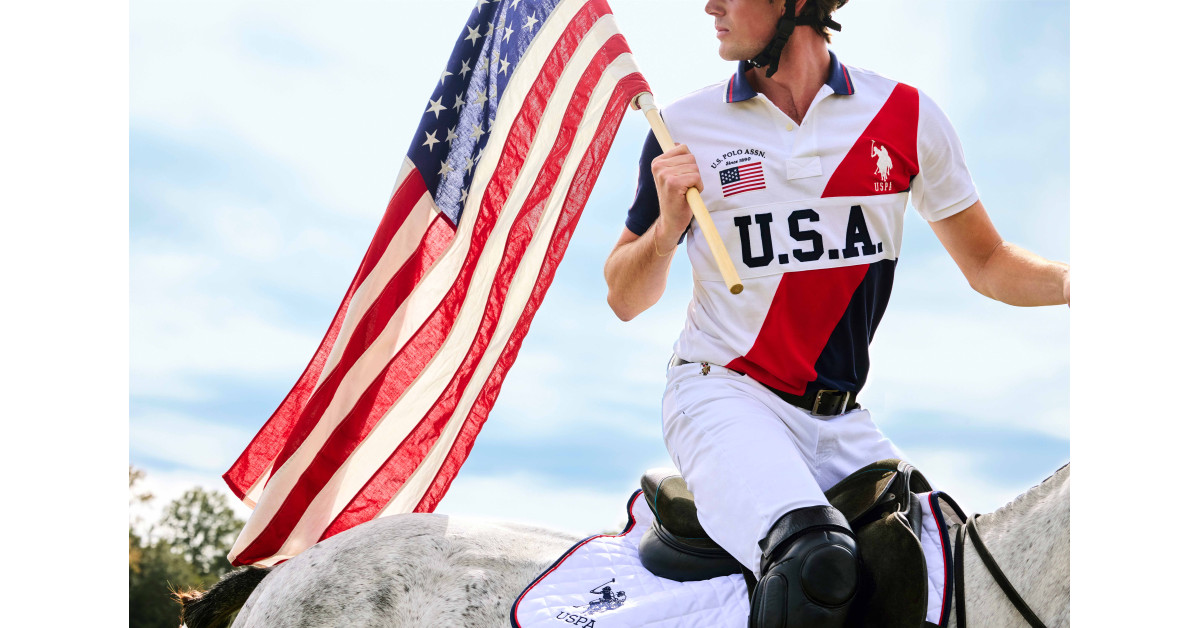
U.S. Polo Assn. is marking America’s 250th Anniversary with a collaboration with ESPN on a 30-minute global broadcast special, “Breakaway: Polo in America,” and ongoing 2026 brand storytelling. The company also highlights its global presence (more than 190 countries) and retail footprint (over 1,200 stores in the U.S.) alongside consumer engagement initiatives like its Global Polo Shirt Campaign. Overall, the update is promotional and branding-focused, with limited direct financial or earnings implications, but modest positive sentiment from continued global expansion messaging.
This reads like low-conviction brand theater rather than an earnings event. The only publicly listed proxy with a plausible, but still tiny, benefit is GOOGL via incremental YouTube engagement and brand-safe inventory; even there, the effect is second-order and unlikely to move revenue or margins meaningfully. For the apparel side, heritage campaigns tend to protect price realization more than they create new unit demand, so the economic benefit would show up only if management can prove higher conversion or lower customer acquisition cost.
The more interesting angle is competitive, not direct: premium storytelling can defend shelf space against private label and generic mall brands, but that is a slow-burn merchandising issue, not a catalyst for the tickers provided. Any upside likely accrues to licensors and wholesale partners with strong distribution, while smaller retailers selling undifferentiated basics see no change. In other words, this is a positioning exercise, not a fundamental re-rate.
Contrarian view: the market may over-interpret these heritage announcements as demand signals when they are usually just low-cost media filler. The thesis would be falsified only if the campaign coincided with measurable consumer metrics—higher sell-through, improved same-store sales, or a visible step-up in YouTube ad monetization on the next print. Absent that, the best trade is probably no trade; the event is too small and too diffuse to justify risk capital.
AI-powered research, real-time alerts, and portfolio analytics for institutional investors.
Overall Sentiment
mildly positive
Sentiment Score
0.12
Ticker Sentiment
