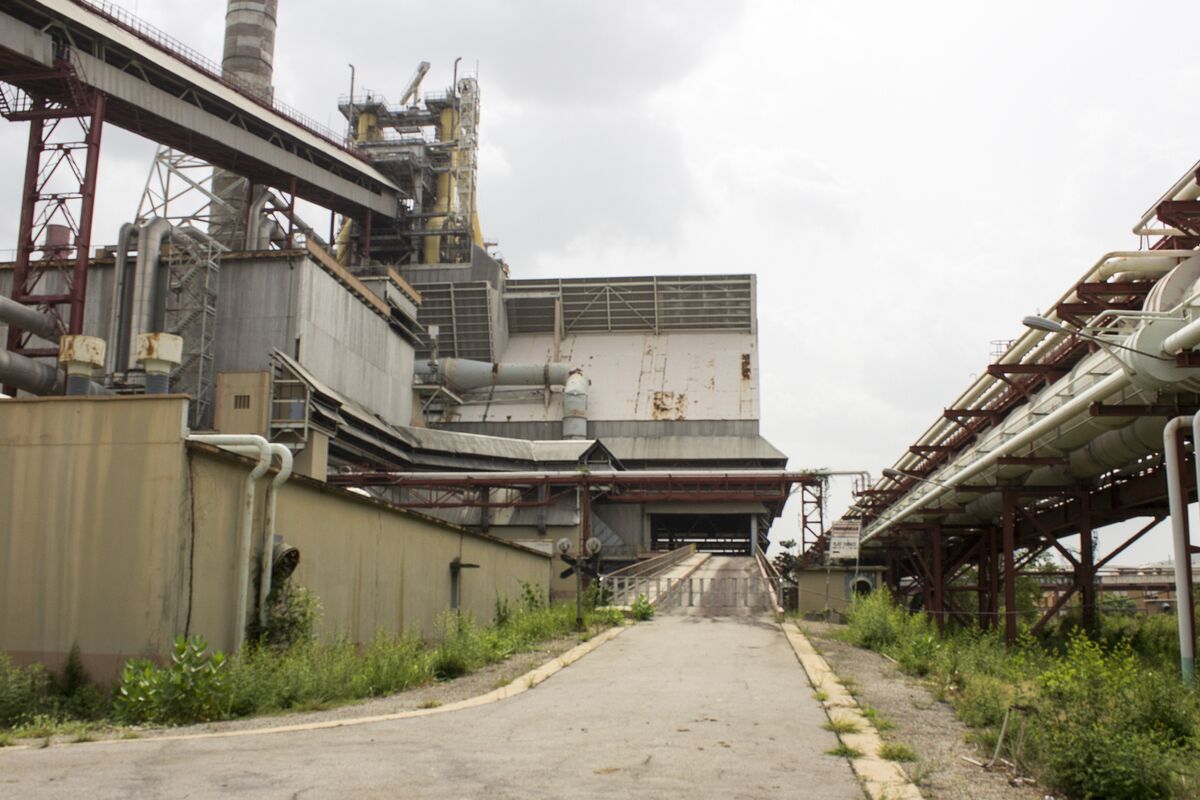
Nigeria plans to revive the Ajaokuta steel factory after nearly half a century of failed attempts, aiming to produce steel for the first time. The project is framed as a long-delayed industrial restart rather than a quantified near-term financial update. Likely incremental for markets given limited disclosed financials, timelines, or funding terms.
This is primarily an execution and credibility event, not a near-term steel-market catalyst. If the project ever becomes real, the first beneficiaries are the enabling layers — power, gas, rail, port handling, EPC and maintenance — because steel production economics in a high-friction market are dominated by utility reliability and logistics, not furnace optics. That makes the true equity exposure closer to infrastructure and sovereign risk than to the mill itself.
For global competitors, the only plausible loser set is low-cost rebar/HRC exporters into West Africa, especially Turkish and Indian mills, but the volume at risk is too small to matter immediately. The market should discount the announcement heavily: unless there is funded capex, captive electricity, and an offtake structure within 3-6 months, this remains a policy narrative rather than an earnings stream. In the meantime, any diversion of fiscal resources toward subsidizing a legacy plant is mildly negative for Nigeria’s broader industrial ecosystem because it crowds out better-return infrastructure.
Contrarian view: consensus may overrate strategic significance and underrate the failure mode. The most likely outcome is another delay cycle, which would leave the immediate tradeable impact close to zero, while the hidden risk is a sovereign balance-sheet leak through power subsidies and FX-intensive imports for equipment/inputs. Falsifiers are concrete: a financed EPC award, credible grid/gas access, and throughput milestones; without those, there is no reason to pay for the story.
AI-powered research, real-time alerts, and portfolio analytics for institutional investors.
Request DemoOverall Sentiment
neutral
Sentiment Score
0.05
