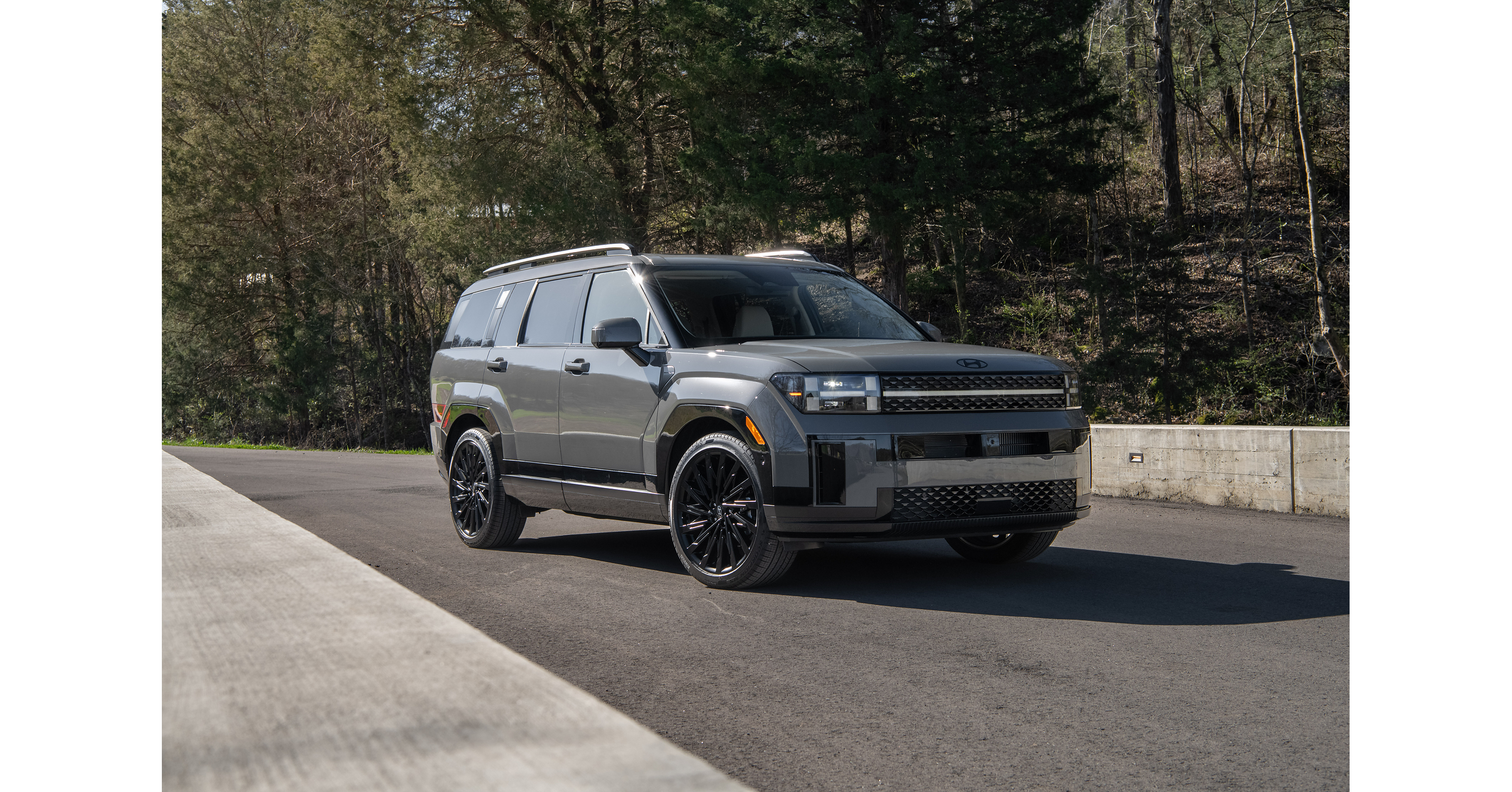
Mercury Insurance released its annual ranking of the 10 most affordable new 2026 model-year electric and hybrid vehicles to insure, highlighting hybrid models such as the Hyundai Santa Fe Hybrid (rank #1) alongside EVs like the Chevrolet Blazer EV (#2) and Chevrolet Equinox EV (#9). The release frames electrified adoption as mainstream and notes that insurance costs depend on repair/parts costs, safety technology, and claims history, with premiums varying by driver and location.
This is not a meaningful fundamental catalyst for MCY by itself; it reads more like distributional marketing than a price-setting underwriting update. The investable signal is second-order: if independent insurers keep surfacing lower insured-cost profiles for hybrids versus pure EVs, the consumer decision tree shifts toward hybrids because insurance is part of the monthly payment, not just sticker price or charging convenience. That favors OEMs with hybrid-heavy lineups and faster-turning inventory, and it marginally penalizes EV-only growth stories where ownership friction is still being underestimated.
The more important implication is competitive mix, not unit growth. Toyota, Honda, Hyundai, Kia and Ford’s hybrid portfolios gain a subtle affordability halo, while pure-EV names face another layer of adoption friction on top of rate sensitivity and residual-value risk. Over 1-3 months there is probably no trading edge in MCY; over 6-18 months, if carriers begin repricing EVs more aggressively, the insurance spread could become another reason fleet buyers and families defer full EV adoption.
Contrarian view: the market may already know EVs are expensive to insure, so the headline itself is not alpha. What matters is whether this becomes a broad pricing signal across major insurers; if not, it is just one carrier’s internal data and likely immaterial. The thesis is falsified if industry-wide EV premium inflation narrows materially, or if claim severity on newer EV platforms improves enough to remove the insurance penalty by the next renewal cycle.
AI-powered research, real-time alerts, and portfolio analytics for institutional investors.
Overall Sentiment
neutral
Sentiment Score
0.08
Ticker Sentiment
