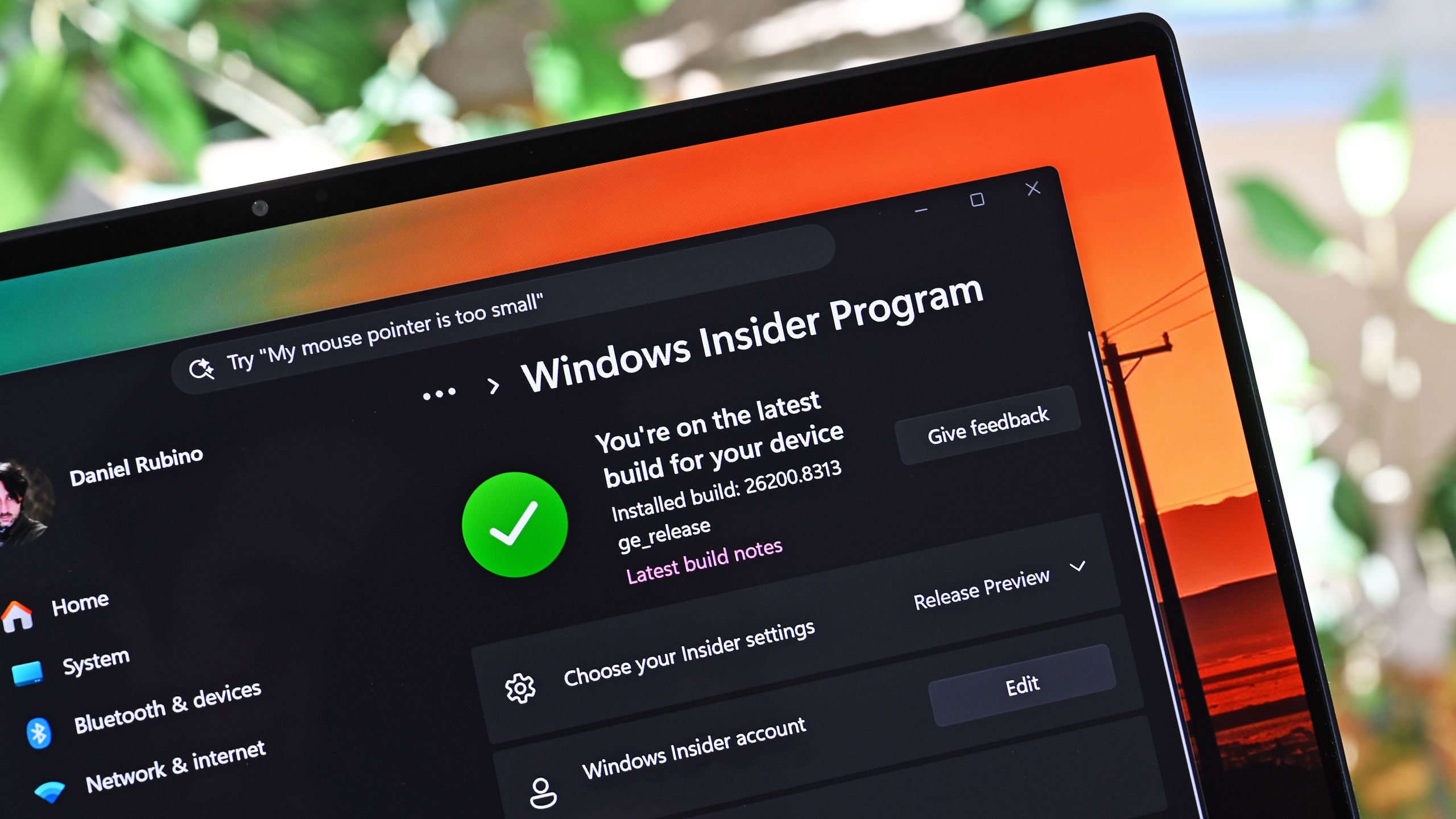
Microsoft is overhauling the Windows Insider program with simplified channels, feature flags, named DRIs, and more transparent feedback loops to improve Windows 11 quality and restore community trust. The company is also emphasizing performance, reliability, WinUI 3, and less disruptive updates rather than rushing to Windows 12. The article is supportive of the reset but notes skepticism remains until Beta quality and public accountability improve.
This reads as a governance reset more than a product roadmap, and that matters because it changes execution probability, not just feature cadence. The key second-order effect is internal: by creating named owners with explicit backlogs, Microsoft is reducing organizational diffusion, which is usually the hidden cause of OS quality drift. If this sticks, the near-term benefit is not top-line acceleration but lower defect density, fewer regressions, and a modest tailwind to Windows attach/retention at the enterprise edge where reliability drives renewal decisions.
The market is likely underestimating how much this is really an AI-era discipline story. When a platform company publicly re-centers on quality and feedback loops, it is often responding to customer friction that can quietly cap monetization—especially around bundled services, app adoption, and update acceptance. That creates a potential positive read-through for Surface/Windows ecosystem partners, but the bigger beneficiary could be Microsoft itself if this restores trust in the default shell and lowers support/ops costs over time.
The main risk is that this becomes another visibility exercise that improves sentiment faster than shipping quality. The first 1-2 quarters are the danger zone: if Beta still leaks regressions or if feature transparency remains partial, Insiders will treat the reset as branding and move on. Conversely, if the team starts publishing credible before/after metrics on reliability and responsiveness, the market could assign a small but real durability premium to Windows cash flows by mid-2026.
Consensus is probably too focused on the nostalgia angle and not enough on the discipline angle. The important signal is not whether playful branding returns; it is whether Microsoft is willing to trade short-term feature velocity for a cleaner platform, which is usually bullish for margin quality and enterprise stickiness. That said, the upside for MSFT is incremental, not transformative, so the right posture is selective participation rather than chasing the stock on this headline alone.
AI-powered research, real-time alerts, and portfolio analytics for institutional investors.
Request TrialOverall Sentiment
mildly positive
Sentiment Score
0.20
Ticker Sentiment
