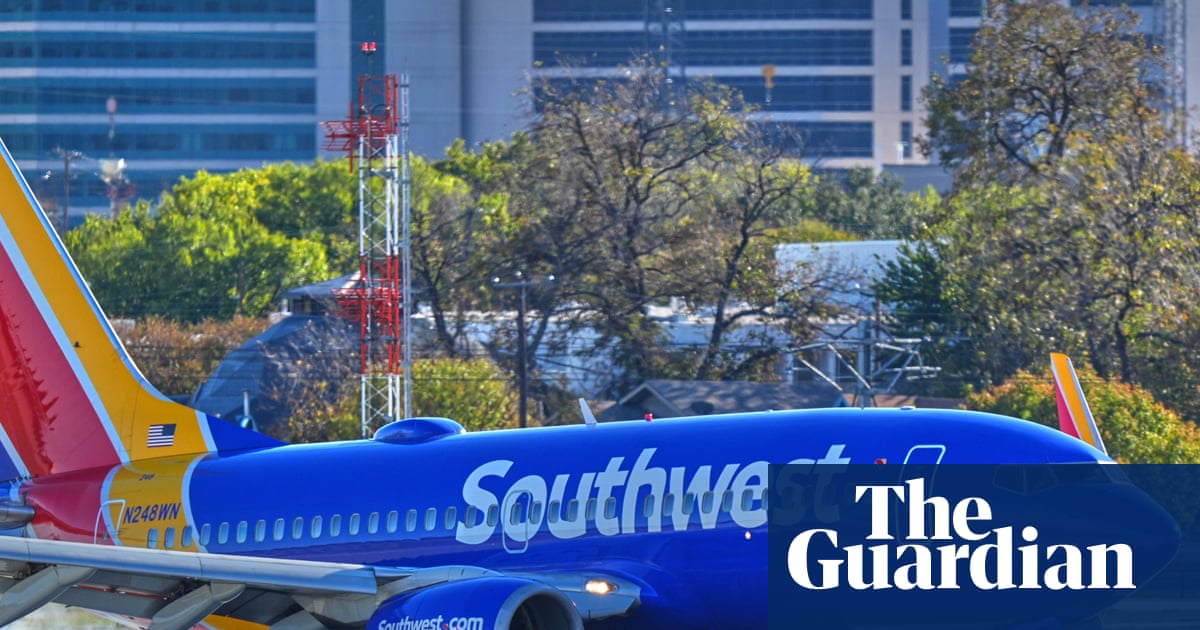
The U.S. Department of Transportation waived an $11m portion of a $140m settlement with Southwest Airlines over its December 2022 operational meltdown, citing the carrier’s subsequent commitment to invest more than $1bn in operations. Southwest had agreed in December 2023 to pay $35m in cash over three years and provide $90m in travel vouchers to affected passengers after the disruption stranded more than 2 million travelers. The waiver reduces the carrier’s regulatory penalty exposure ahead of the $11m payment due at the end of January and signals regulatory recognition of remediation efforts.
Market structure: Southwest (LUV) is the direct beneficiary — an $11m fine waiver vs a $1bn+ operations investment and $90m in vouchers materially reduces near-term cash pain and reputational premium paid to regulators. Competitors (AAL, DAL, UAL) see only marginal share shifts; if LUV's OTP rises by 3–5 percentage points over 12 months it can win leisure routes and pricing power in select domestic markets, but national pricing power impact is limited (<1–2% RASM uplift). Risk assessment: Tail risks include another operational meltdown (low-probability, high-impact) or stricter future enforcement if problems recur; regulatory leniency now raises moral‑hazard that could trigger tougher penalties later. Immediate (days) effect: small positive re-rate (1–3%); short-term (3–6 months): ops investments must deliver measurable OTP gains (>5 ppt) or FCF will compress; long-term (12–24 months): ROI on $1bn depends on unit cost control and capacity discipline. Hidden dependencies: legacy IT/scheduling fixes, crew hiring, and winter-weather exposure are critical and slow to resolve. Trade implications: Favor tactical long LUV exposure sized modestly (2–3% portfolio) paired with defined-risk options (3–6 month call spreads 10–15% OTM) to play operational improvement reports. Relative-value: long LUV / short DAL (equal dollar) until DOT OTP shows >5 ppt improvement for LUV or until next quarterly results; watch balance-sheet signals (FCF drop >15% QoQ or leverage >3.5x EBITDA) as stop triggers. Catalysts: DOT operational scorecards (30–90 days), LUV monthly OTP releases, and earnings cadence. Contrarian view: The market understates cost of the $1bn capex on FCF and potential margin squeeze; the fine waiver may reduce near-term headline risk but increases second‑order regulatory scrutiny if problems reoccur. Historical parallels (post‑meltdown UA/AA episodes) show multi‑quarter underperformance despite initial relief — expect volatility; mispricing exists for sellers of short-dated protection who assume operational fixes are immediate.
AI-powered research, real-time alerts, and portfolio analytics for institutional investors.
Request DemoOverall Sentiment
mildly positive
Sentiment Score
0.28
Ticker Sentiment
