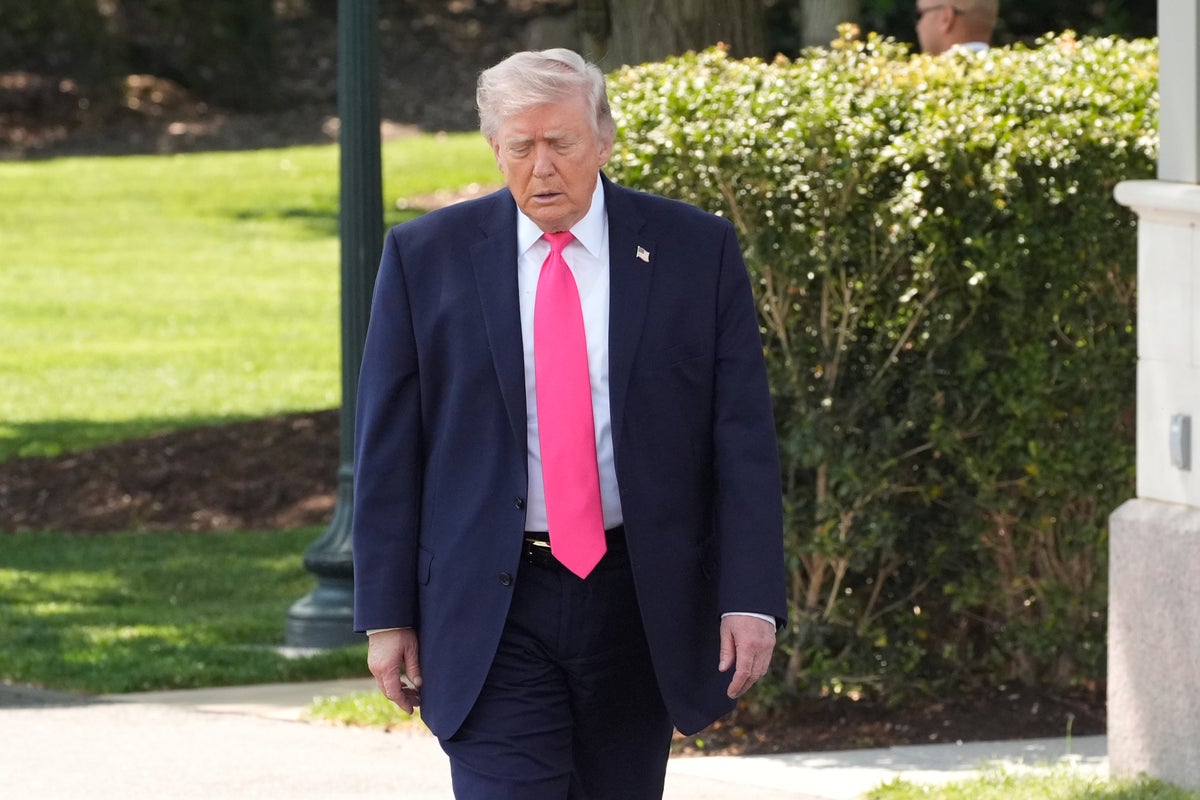
Trump said he would have "won Vietnam very quickly" and warned the U.S. is prepared to resume bombing Iran if a ceasefire deal is not reached before it expires Wednesday evening. The administration is sending representatives to Islamabad for another round of talks, while a U.S. blockade of Iranian ports and tanker interdictions continue to raise tensions in the Strait of Hormuz. The article is primarily geopolitical, with meaningful implications for oil, shipping, and defense risk sentiment.
The market implication is less about the rhetoric than the operating regime it signals: heightened policy volatility in the Strait of Hormuz keeps a floor under crude, tanker rates, and defense spending expectations while compressing risk appetite in rate-sensitive cyclicals. The key second-order effect is that even a temporary blockade creates optionality value for non-Iranian barrels and for companies with exposure to export logistics, storage, and marine security rather than just upstream production.
The most asymmetric near-term trade is in shipping and energy infrastructure. If screening/boarding activity persists for even a few weeks, freight risk premia can reprice faster than spot oil, benefiting tanker names and operators with routes outside the Gulf while hurting refiners with the weakest feedstock flexibility. Conversely, if talks unexpectedly produce a durable corridor reopening, the unwind should be sharper in shipping than in crude because freight is priced on tail risk, not just barrels.
Politically, the administration’s willingness to keep pressure on rather than extend timelines raises the odds of a binary catalyst within days, not months. That matters for positioning: realized volatility in oil is likely to stay elevated, and the better expression is through convexity rather than outright directional beta. The contrarian read is that the market may be underestimating how quickly stress in the waterway can spill into insurance costs and Asian import margins before headline crude fully reacts.
AI-powered research, real-time alerts, and portfolio analytics for institutional investors.
Overall Sentiment
neutral
Sentiment Score
-0.05
Ticker Sentiment
