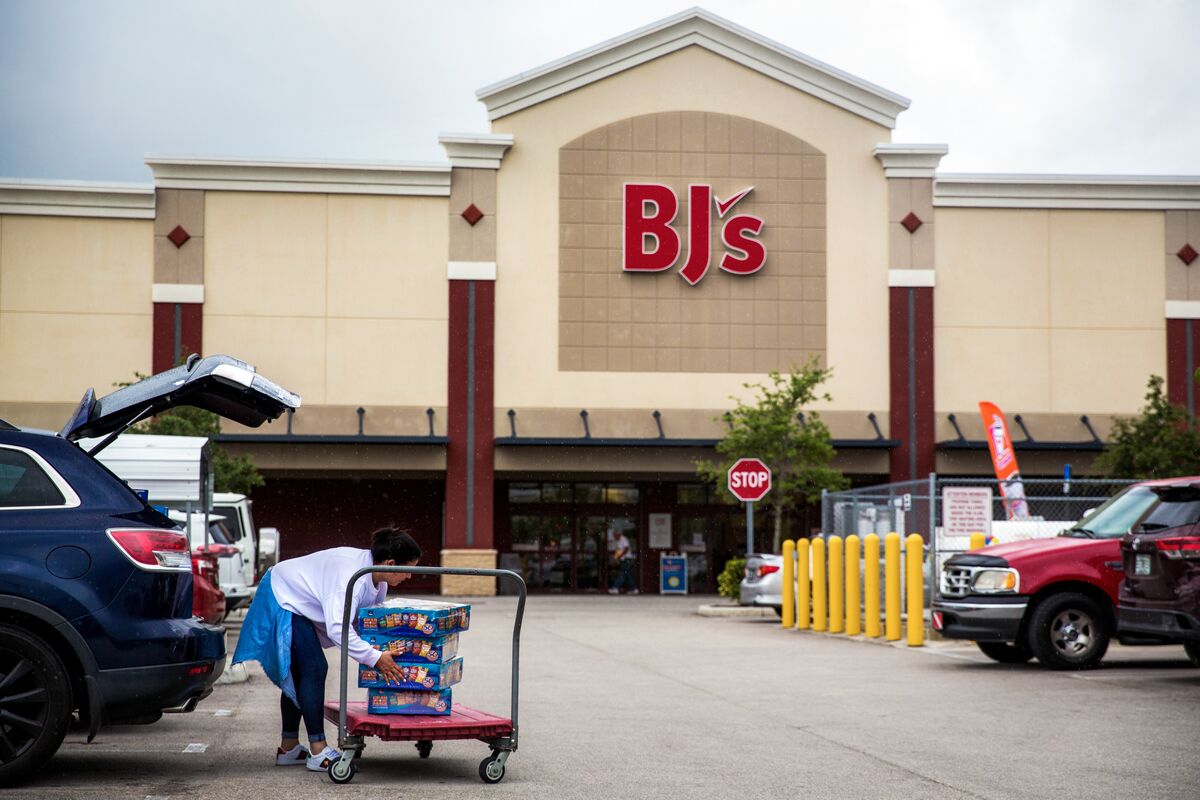
Oaktree Capital sued BJ’s Wholesale Club over an alleged breach of a binding agreement tied to about $29 million in tariff refunds, saying BJ’s backed out after the claim’s market value rose above the agreed sale price. The dispute centers on a deal to sell tariff-refund rights at 70 cents on the dollar. The headline is negative for BJ’s from a litigation and governance standpoint, but the immediate market impact is likely limited.
This is less about the underlying tariff refund and more about whether management will opportunistically monetize a legal asset once it becomes visible on the balance sheet. The second-order signal is governance: if a retailer can attempt to renegotiate after signing, counterparties will demand wider discounts on any future monetization of receivables, tax credits, or contingent assets across the sector. That raises the cost of capital at the margin for companies that rely on one-off asset sales to smooth earnings or fund buybacks.
The near-term market impact should be modest unless the dispute drags into a preliminary injunction or damages phase, but the real risk is duration. Legal uncertainty can linger for months, and the headline matters more than the dollars because it frames management behavior as value-maximizing for shareholders or opportunistic in contract execution, depending on the court record. If BJ’s ultimately loses, the overhang is not the refund itself but the implied litigation expense, disclosure scrutiny, and any reputational premium embedded in future vendor negotiations.
The contrarian read is that the move may be under-discounted if investors assume this is just a small legal skirmish. In retail, supplier trust and settlement reliability affect working capital terms, promotion funding, and distribution flexibility; that can matter more than a one-time ~$29 million claim. The more interesting loser may be any company in the broader consumer/retail universe that has pending tax, duty, or rebate recoveries and was planning to crystallize them at a discount—this case likely tightens bid-ask spreads on those assets.
AI-powered research, real-time alerts, and portfolio analytics for institutional investors.
Overall Sentiment
mildly negative
Sentiment Score
-0.25
