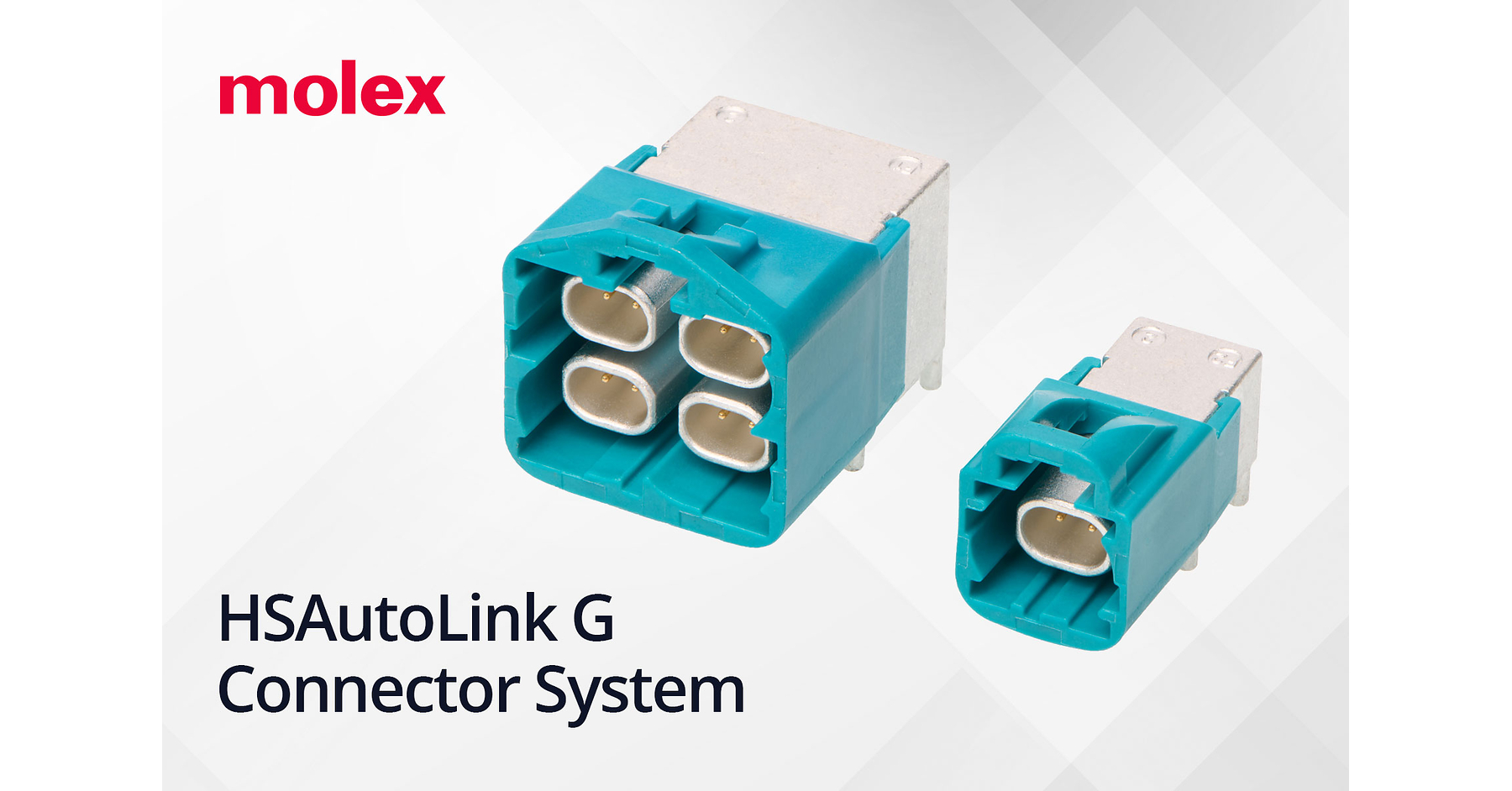
Molex expanded its HSAutoLink Interconnect portfolio with the new HSAutoLink G Connector System, delivering differential STP/UTP multi-gig automotive Ethernet connections up to 25Gbps in a compact, USCAR-compatible interface. The design adds EMI shielding, terminal anti-stub features to reduce mis-mating risk, and standardized USCAR footprints to improve supply-chain optionality and upgrade flexibility for SDVs. Product samples are available for early qualification, with increased traction noted in China as 25G automotive Ethernet demand rises from ADAS/liDAR/central compute architectures.
This reads as a validation signal for the auto-Ethernet ecosystem rather than a near-term revenue event. The real economic value is not the connector launch itself, but the fact that OEMs are continuing to qualify 25G-class architectures for SDVs; that implies a longer runway for content-per-vehicle growth in interconnect, high-speed cable, and validation services. Public beneficiaries are the broad automotive connectivity incumbents with global qualification depth and platform breadth — especially TEL and APH — because once a design wins into a zonal or central-compute platform, it tends to scale across trims for 5-7 years.
The second-order effect is margin mix: 25G and EMI-controlled products are more value-added than legacy low-speed harnessing, but pricing power may be capped by USCAR standardization. That matters for pure-play auto suppliers whose competitive edge was proprietary form factors; standardized footprints compress differentiation and should shift procurement toward dual-sourcing and supplier consolidation. Over 6-18 months, the bigger implication is that connector content migrates from a rear-guard cost center into an architecture gatekeeper, which supports higher gross margins for firms with proven validation labs and global manufacturing.
Consensus may be overestimating the immediacy and underestimating the qualification hurdle. Samples do not equal production; the usual failure points are EMC, thermal cycling, and OEM platform freezes, so the cash-flow inflection is measured in quarters, not weeks. If auto build rates weaken or EV/ADAS capex pauses, this theme can fade quickly; the thesis is falsified if 25G programs do not show up in next 2-3 quarters of design-win commentary or if OEMs revert to cheaper lower-speed architectures in the face of cost pressure.
AI-powered research, real-time alerts, and portfolio analytics for institutional investors.
Request DemoOverall Sentiment
mildly positive
Sentiment Score
0.15
Ticker Sentiment
