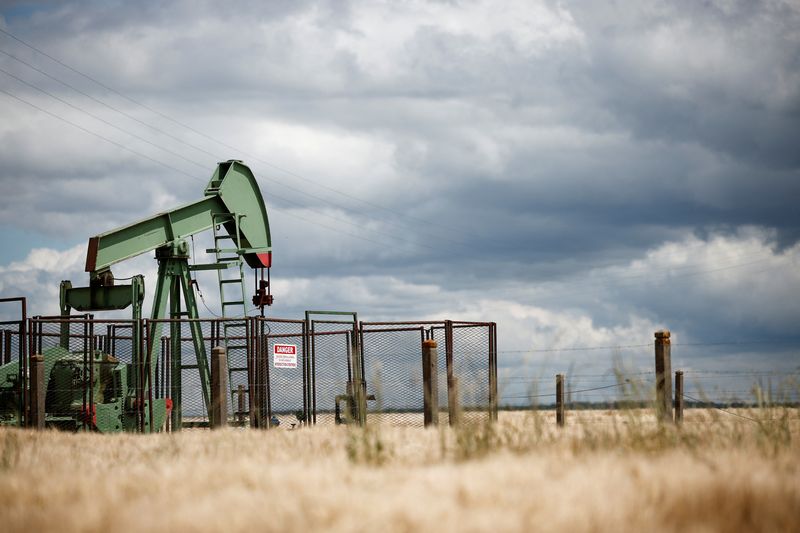
Iran conflict enters its third week, triggering oil supply disruptions and upward pressure on oil and gasoline prices. Morgan Stanley analysts say the immediate hit to U.S. consumer spending is likely modest because energy currently accounts for a below-average share of consumption, but a persistent oil shock would act like a tax on households and weaken discretionary and durable-goods spending. The drag would be uneven—hitting younger and credit-constrained consumers hardest—and could push up transportation, logistics and production costs, amplifying inflationary pressures.
A persistent Middle East supply shock that keeps Brent elevated by $10-15/bbl for 3-6 months is enough to nudge headline CPI up ~0.2-0.3ppt and mechanically act like a ~0.1-0.2ppt drag on real GDP growth over the next four quarters — small on headline macro but concentrated in discretionary categories and energy-intensive consumption. That concentration amplifies second-order effects: autos (especially light trucks/SUVs) face longer purchase cycles, used-car values bifurcate (fuel-inefficient trucks down, efficient small cars and EVs relatively insulated), and durable goods orders will show a visible sequential slowdown in retail and manufacturing capex. Logistics and freight providers with indexed fuel surcharges (UPS, FDX) can preserve margins in the near term, creating a divergence versus asset-light retailers and leisure travel operators who will see demand elasticity bite first among younger and credit-constrained cohorts. The policy channel matters: persistent oil-driven inflation keeps upside risk to rate expectations, compressing growth multiples and favoring cyclically exposed commodity cash generators over duration-sensitive growth names until the shock resolves or is monetarily offset.
Key reversals to watch: (1) diplomatic de-escalation or an SPR coordinated release (timeline 30–90 days) that can shave $10–20/bbl rapidly, (2) an OPEC+ production response that rebalances markets inside 60–120 days, or (3) a demand shock from China/Europe that undercuts the price move over 2–6 months. Tail outcomes include chokepoint incidents that push Brent >$120 (fast, >2 weeks) or a global slowdown that causes prices to retreat and induces rapid multiple re-expansions in growth equities. Position sizing should therefore be calibrated to a 6–12 week event window with explicit stop levels tied to Brent and consumer-sentiment inflection points.
AI-powered research, real-time alerts, and portfolio analytics for institutional investors.
Request DemoOverall Sentiment
mildly negative
Sentiment Score
-0.25
Ticker Sentiment
