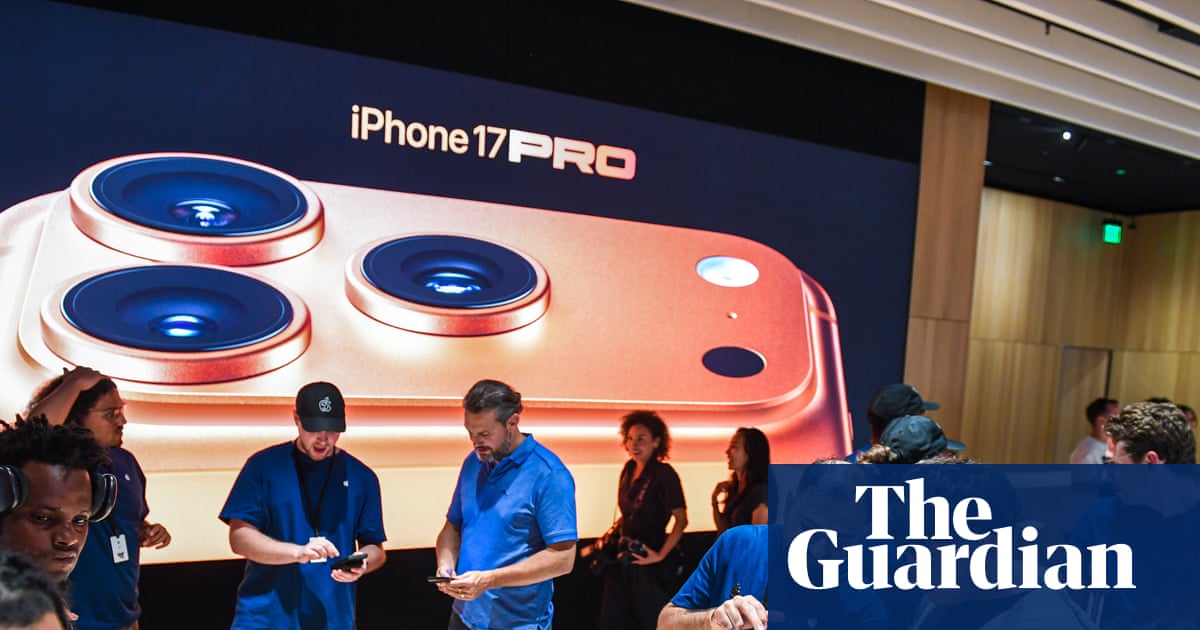
Apple sued OpenAI, alleging trade-secret theft tied to OpenAI’s alleged effort to build its own hardware device, claiming former Apple employees “wrongfully took” confidential information including unreleased technology and designs. The complaint alleges OpenAI’s hardware push was bolstered by misappropriated Apple supplier and product data, including downloading dozens of confidential files after using an authentication bug (case naming OpenAI’s chief hardware officer Tang Yew Tan and former Apple employee Chang Liu). Apple is seeking damages and a court order to block OpenAI from possessing or using the alleged trade secrets, while OpenAI said it is reviewing the filing and denies interest in other companies’ trade secrets.
This is less a damage event than a bargaining and platform-control event. The economic lever is not legal fees; it is whether Apple uses litigation to harden its model stack and reduce dependence on any single external AI partner. That dynamic is modestly positive for Google, because any cooling of the Apple/OpenAI relationship raises the odds that Gemini becomes the more durable fallback inside Apple surfaces, which is worth more than the direct chatbot integration economics.
The second-order issue is hardware ambition. OpenAI’s device push becomes meaningfully harder if Apple forces discovery and injunction risk onto the project; that delays productization and raises capital intensity for the entire AI-device ecosystem. For Apple, the core earnings hit is limited, but the strategic upside is preserving control over distribution and supplier access, which matters more than any one lawsuit verdict over a 6-18 month horizon.
Near term, the stock reaction should be driven by headline flow and discovery risk, not fundamentals. The real catalyst path is 1-3 months: whether Apple’s product roadmap tilts further toward Google-powered capabilities or whether the company re-ups its OpenAI exposure despite the dispute. The contrarian view is that the market may overestimate the negative for AAPL and underestimate the positive optionality for GOOGL; the thesis fails if Apple publicly restores deeper ChatGPT integration or the case settles quickly with no follow-through on model/vendor changes.
AI-powered research, real-time alerts, and portfolio analytics for institutional investors.
Request DemoOverall Sentiment
mildly negative
Sentiment Score
-0.35
Ticker Sentiment
