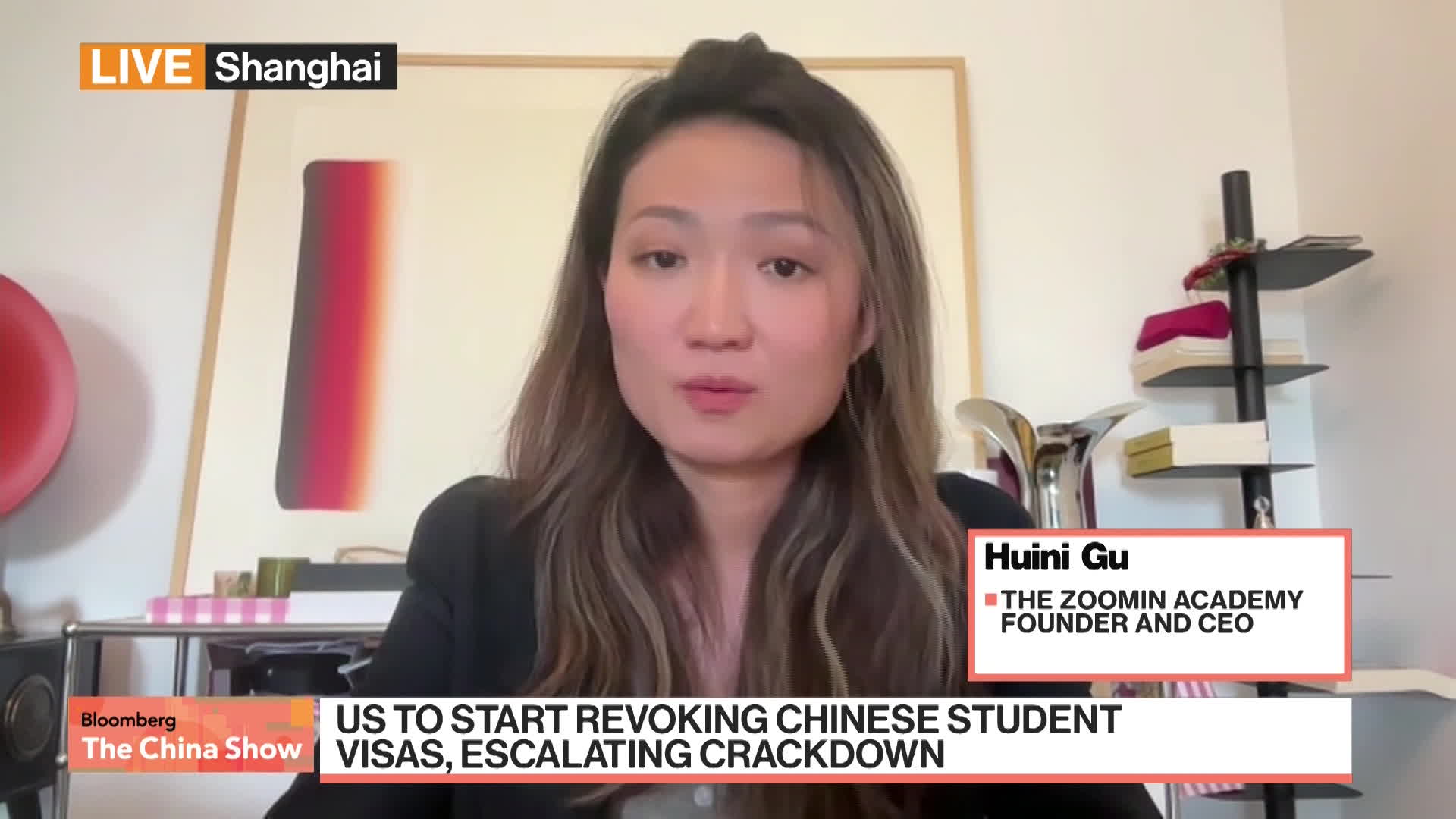
Bloomberg reports the U.S. is considering tightening visa rules for Chinese students, potentially impacting U.S. universities that rely on tuition revenue from international students and potentially escalating tensions between the U.S. and China. The move could disproportionately affect STEM programs, which often have a high percentage of Chinese students, and may prompt a shift in international student enrollment patterns globally.
The U.S. government is reportedly considering tightening visa regulations for Chinese students, a development with potential financial repercussions for American universities heavily reliant on international student tuition, particularly within STEM programs which often see high Chinese enrollment. This policy shift, viewed with a mildly negative sentiment and a cautious tone, could also exacerbate existing U.S.-China geopolitical tensions, aligning with themes of trade policy and sanctions. Furthermore, such restrictions may instigate a shift in global international student enrollment patterns, potentially redirecting students to institutions in other countries and impacting the global talent pool.
AI-powered research, real-time alerts, and portfolio analytics for institutional investors.
Request DemoOverall Sentiment
mildly negative
Sentiment Score
-0.30
