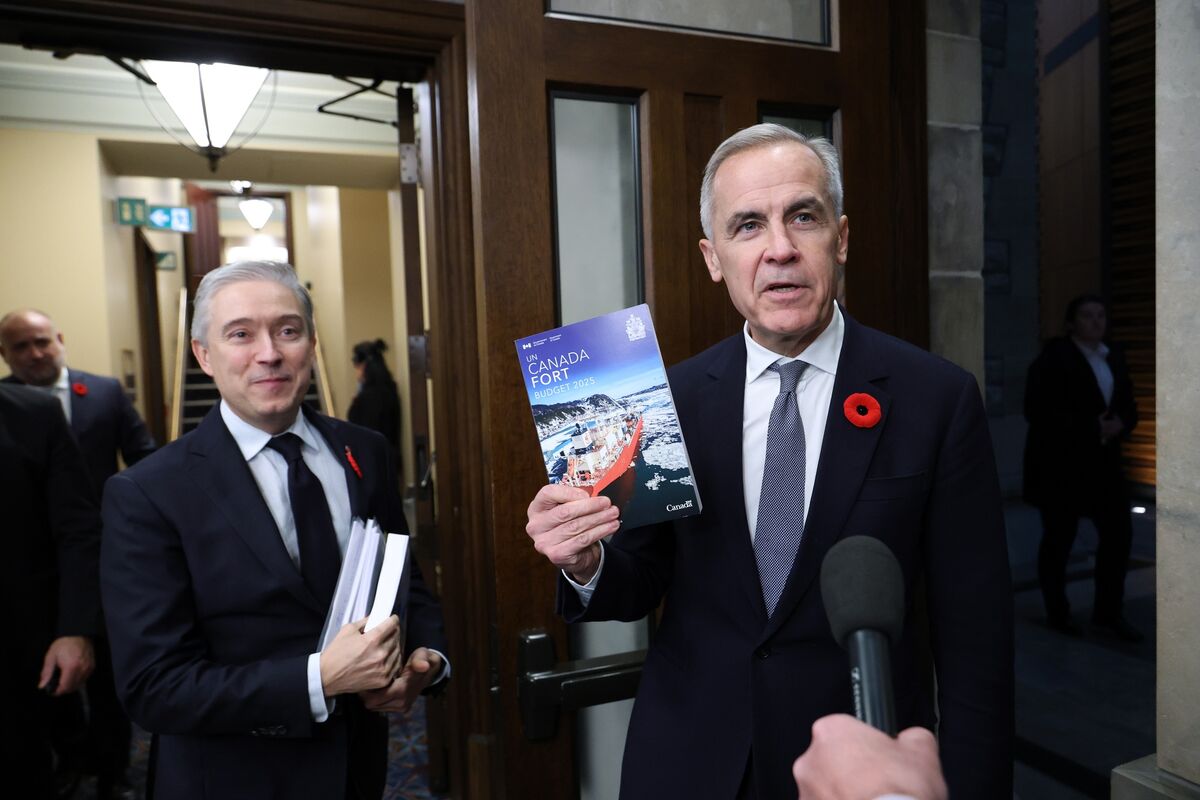
Canada's new government, led by Prime Minister Mark Carney and Finance Minister François-Philippe Champagne, has unveiled a budget projecting an additional C$167.3 billion ($118.7 billion) in deficits over the next five years, a significant increase from prior fiscal forecasts. This expanded spending is allocated to defense, housing, and major infrastructure projects, with the strategic objective of enhancing Canadian exports to international markets.
Canada's new government, under Prime Minister Mark Carney and Finance Minister François-Philippe Champagne, has unveiled a budget projecting an additional C$167.3 billion ($118.7 billion) in deficits over five years. This represents a significant increase compared to the previous fiscal projections under Justin Trudeau, with substantial spending allocated towards defense, housing, and major infrastructure projects.
The primary strategic objective behind this increased expenditure is to bolster Canadian exports to overseas markets, aiming to stimulate economic activity. However, this fiscal expansion comes at a time when national growth is reportedly stalling, as indicated by the article's headline. The moderately negative sentiment and uncertain tone surrounding this announcement suggest market apprehension regarding the long-term implications of rising debt amidst slowing growth.
This policy shift signals a move towards growth-oriented fiscal policy, potentially impacting sovereign debt metrics and the broader economic outlook. While the targeted investments could offer sector-specific tailwinds, the overall increase in deficits and the context of stalled growth present a complex macroeconomic picture. The market impact is assessed as moderate, reflecting a cautious stance on Canada's fiscal sustainability and future economic trajectory.
AI-powered research, real-time alerts, and portfolio analytics for institutional investors.
Overall Sentiment
moderately negative
Sentiment Score
-0.50
