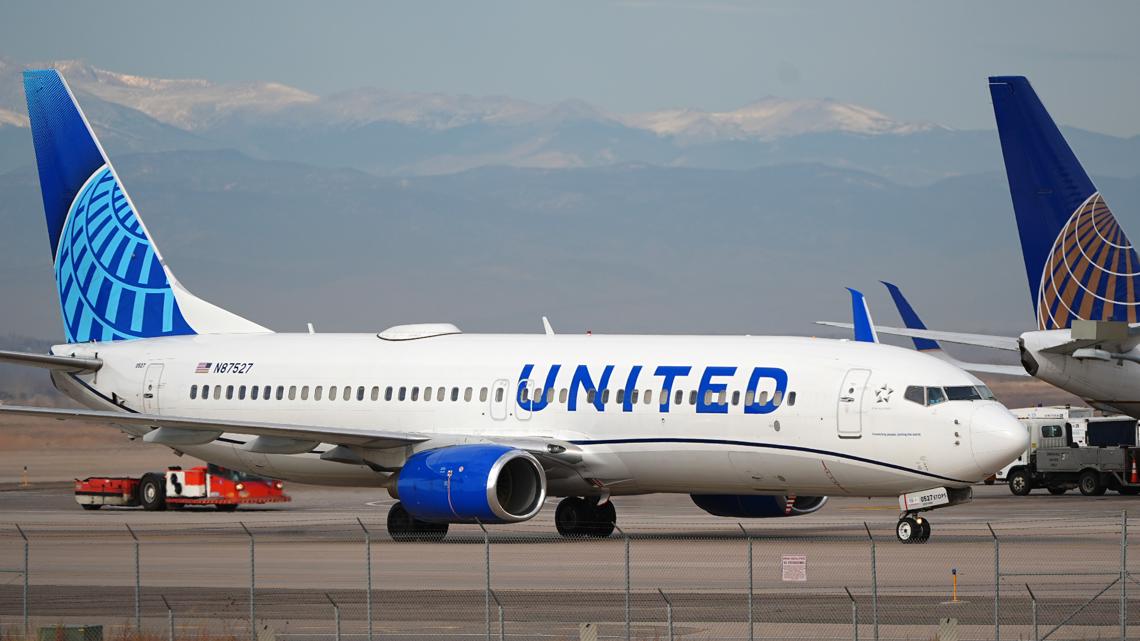
United Airlines said it is no longer pursuing a merger with American Airlines after American declined to engage, ending a potential combination that would have required regulatory approval and partner alignment. American had previously said it was not interested and warned the deal would be negative for competition and consumers. The news removes a possible strategic catalyst for United, but the article provides no financial terms or operational changes, limiting likely market impact.
The immediate market read is that a near-term consolidation premium is being removed from both names, but the asymmetry is not equal. UAL likely gives back more because its management had effectively telegraphed strategic optionality; that leaves a small but real “deal disappointment” overhang that can linger for weeks as investors re-rate M&A hopes to zero. AAL, by contrast, may see a modest relief bid from avoiding antitrust scrutiny and integration risk, but that is more of a defensive lift than a fundamental re-rating.
The second-order issue is that this reinforces a regime where domestic capacity discipline matters more than headline M&A. If management teams conclude regulators will block large-scale combinations, capital allocation shifts toward share repurchases, fleet optimization, and selective capacity growth rather than transformational deals. That is bearish for the entire legacy airline group if it reduces the odds of industry-wide rationalization, because the market still prices airlines as if supply growth can be sustainably absorbed; in reality, the sector remains one macro shock away from margin compression.
For UAL specifically, the broader risk is that management attention may now pivot harder toward proving standalone strategy, which can lead to more aggressive capacity or product spend to defend the narrative. That creates a 6-12 month setup where execution beats rhetoric: if unit revenue softens or cost inflation reaccelerates, the stock can underperform on any perceived strategic distraction. The contrarian angle is that the absence of a merger is not automatically bearish for UAL long term if it forces a cleaner capital return story and avoids integration dilution; the market may be overpricing the value of a deal that was always low-probability.
For AAL, the more important catalyst is not this failed overture but whether management uses the rejection to reinforce a standalone turnaround with better balance sheet optics. If they do not, the stock remains a classic value trap: cheap on earnings, expensive on cyclicality and leverage. The key time horizon is quarters, not days—today’s headline matters for sentiment, but the real equity impact will come from whether management teams translate this into capacity discipline or into another round of competitive escalation.
AI-powered research, real-time alerts, and portfolio analytics for institutional investors.
Request DemoOverall Sentiment
mildly negative
Sentiment Score
-0.15
Ticker Sentiment
