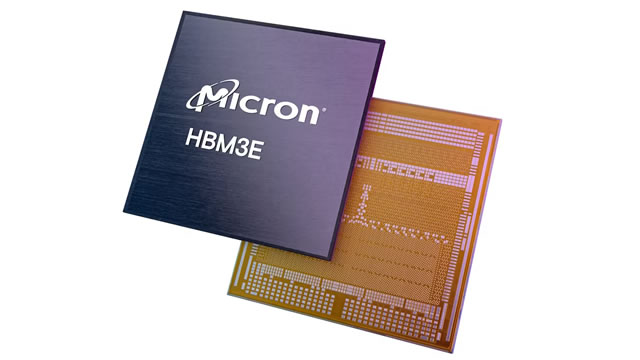
Micron is being positioned as the top AI memory name for 2026 as the ongoing memory shortage stresses the broader supply chain. The upside case is framed as AI demand “offsetting” memory cyclicality—HBM demand is cited as cannibalizing capacity and lifting non-AI memory ASPs, but the article warns current margin upside may be unsustainable given memory’s cyclicality.
The market is likely over-assigning secular value to what is still a classic supply-led memory inflection. HBM demand can support MU’s pricing power in the near term, but the more important mechanism is that it tightens the rest of the memory stack and temporarily inflates non-AI ASPs; that is margin-positive, but not a durable evidence of structural moat expansion. In other words, the current setup looks more like peak cycle optics than a new earnings regime, so the multiple should eventually track the mean reversion risk, not just the AI narrative.
Second-order losers are the customers that cannot easily pass through memory inflation: PC, smartphone, and server OEMs with fixed BOM budgets, plus hyperscalers if they are forced to re-allocate spend away from accelerators into memory. That creates a subtle competitive effect: the real AI beneficiaries may be compute and networking names such as NVDA and AVGO, while memory vendors simply monetize scarcity. If inventory remains tight, some demand will be deferred rather than destroyed, which can temporarily extend the rally — but it also raises the odds of a sharper unwind once capex and qualification catch up.
Catalyst path matters. Over days to weeks, momentum can keep MU bid if channel checks stay constructive; over 1-3 months, the key test is whether management/capex commentary signals supply normalization or whether gross margin assumptions get pulled forward too aggressively. Over 6-18 months, added HBM capacity and a broader memory buildout should cap the upside to forward margins. The contrarian view is that consensus is underestimating how quickly a shortage invites supply response; the thesis is falsified if MU keeps raising gross margin guidance without corresponding capex escalation or if spot/pricing stays tight through the next two earnings cycles.
AI-powered research, real-time alerts, and portfolio analytics for institutional investors.
Overall Sentiment
mildly negative
Sentiment Score
-0.10
Ticker Sentiment
