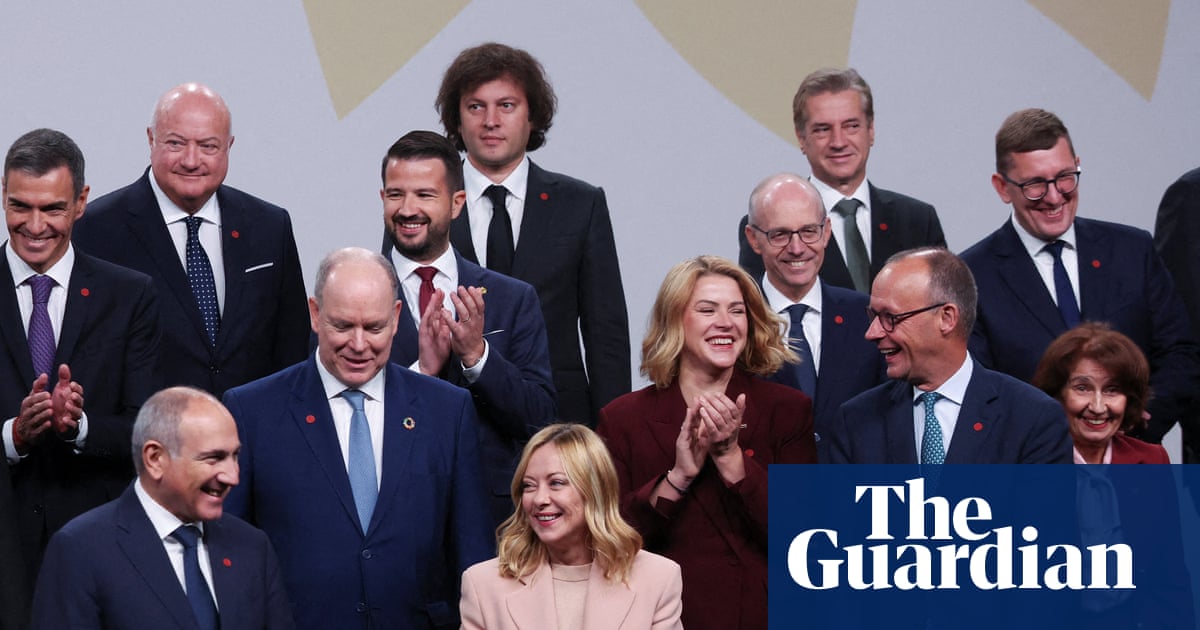
The EU is sending a 20-30 person civilian expert mission to Armenia for two years to counter Russian cyberattacks, disinformation and interference, with the mission due to begin after the 7 June parliamentary elections. EU leaders will also discuss energy, transport, economic support and possible future visa-free travel, signaling a deeper strategic alignment with Armenia. The move is supportive for Armenia’s pro-Western path, but the article mainly reflects geopolitical positioning rather than an immediate market catalyst.
This is less a generic diplomatic gesture than a live stress test of Russia’s remaining leverage in the post-Soviet periphery. The market-relevant second-order effect is that hybrid interference support can materially reduce the odds of a contested vote, which in turn lowers near-term tail risk around policy continuity, FX stability, and capital flight. If the election is perceived as clean, Armenia’s cost of external funding should compress faster than headline geopolitics would imply, because investors care more about institutional credibility than about the symbolic summit optics.
The bigger medium-term implication is for Russia’s coercion toolkit. If Moscow cannot meaningfully sway a small, strategically exposed neighbor through energy, trade restrictions, or cyber pressure, that weakens the signaling value of its broader regional playbook. The overhang is that the first phase of this pivot may actually increase volatility: Russia is incentivized to front-load disruption before the June vote, so the next 4-8 weeks are the highest-risk window for cyber incidents, customs friction, and sudden trade or gas-related headlines.
The cleanest beneficiaries are not Armenia-specific equities, but regional enablers: cybersecurity vendors, election-tech, secure communications, and EU-border/transport names that gain if Armenia’s westward reorientation becomes operational rather than rhetorical. The contrarian miss is that visa liberalization and deeper EU alignment could be slower than the market expects, because institutional convergence will be gated by governance benchmarks and the result of the election itself. That argues for trading the event sequence, not the narrative: buy protection into the vote, then reassess on confirmation of a stable outcome.
AI-powered research, real-time alerts, and portfolio analytics for institutional investors.
Request DemoOverall Sentiment
mildly positive
Sentiment Score
0.15
