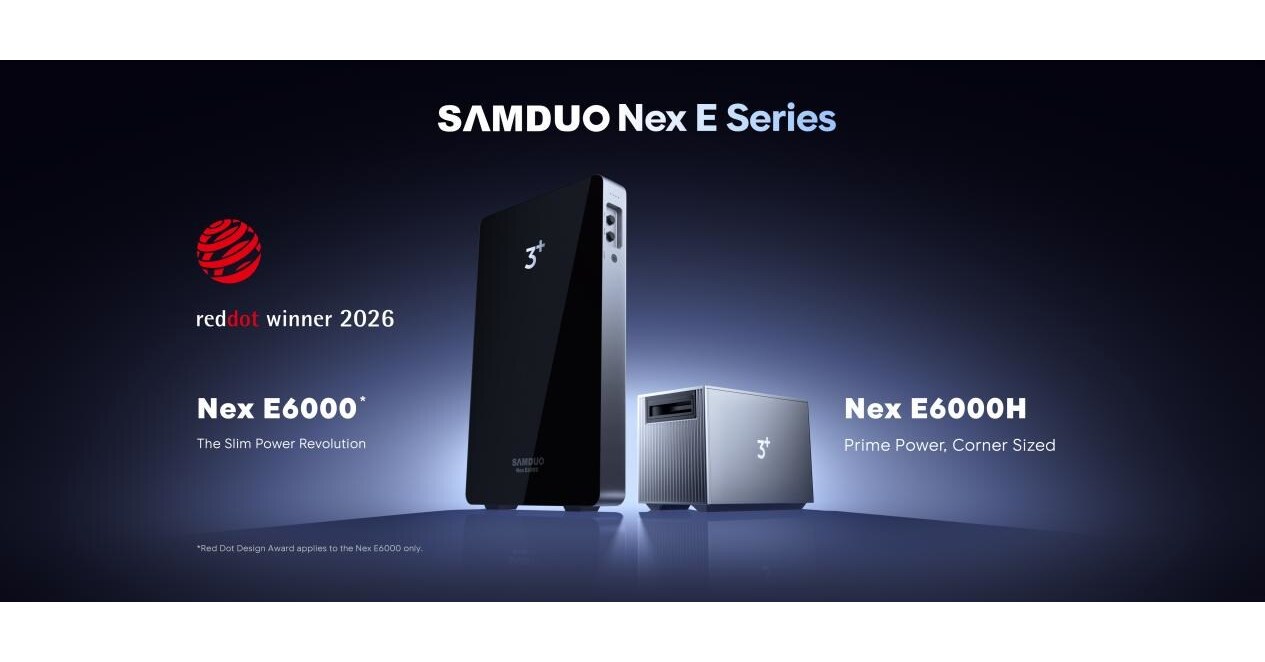
SAMDUO launched official Netherlands online sales of its Nex E Series home battery systems ahead of the end of net metering on Jan. 1, 2027. The Nex E6000 and Nex E6000H (11.9cm deep/space-slim designs) support up to 2,600VA output and aim to reduce grid electricity reliance by charging/discharging based on dynamic Dutch tariffs, with claimed potential savings up to €1,584 per year (internal calculations). The company positions the products for easier adoption via 800W on-grid plug-and-play setup and a 10-year warranty / up to 10,000 charge cycles.
This is a policy-driven demand pull for residential storage, but the revenue bridge to listed equities is longer and narrower than the press cadence suggests. The real mechanism is not “more batteries” in the abstract; it is a change in household economics from exporting surplus kWh to arbitraging volatility, which favors software-led, easy-to-install storage systems and punishes pure solar-only offerings with weaker attach rates.
Second-order, the likely winners are inverter and energy-management vendors with retrofit-friendly AC-coupled products, plus LFP cell suppliers if volume scales across Europe. The likely losers are residential electricity retailers and, to a lesser extent, solar installers that rely on panel-only conversions; their customer acquisition cost rises if buyers wait to bundle storage. Grid operators may see some capex relief from lower reverse-flow congestion, but that benefit is diffuse and rarely shows up in stock prices.
The contrarian miss is timing: this is a 2026-2027 pre-buying story, not an immediate earnings inflection. Adoption will likely be constrained by payback sensitivity, installer capacity, and whether Dutch tariff spreads remain wide enough after fees and financing costs. If policy drifts, subsidies appear, or battery prices fall faster than expected, the story strengthens; if export compensation is softened less than expected, the urgency fades.
For public equities, the cleanest expression is probably relative value in solar/storage hardware rather than a broad clean-energy basket. The market may be underestimating how much of the upgrade cycle shifts from panels to storage software and service revenue, but it is also likely overestimating how quickly that translates into reported sales.
AI-powered research, real-time alerts, and portfolio analytics for institutional investors.
Request TrialOverall Sentiment
mildly positive
Sentiment Score
0.25
