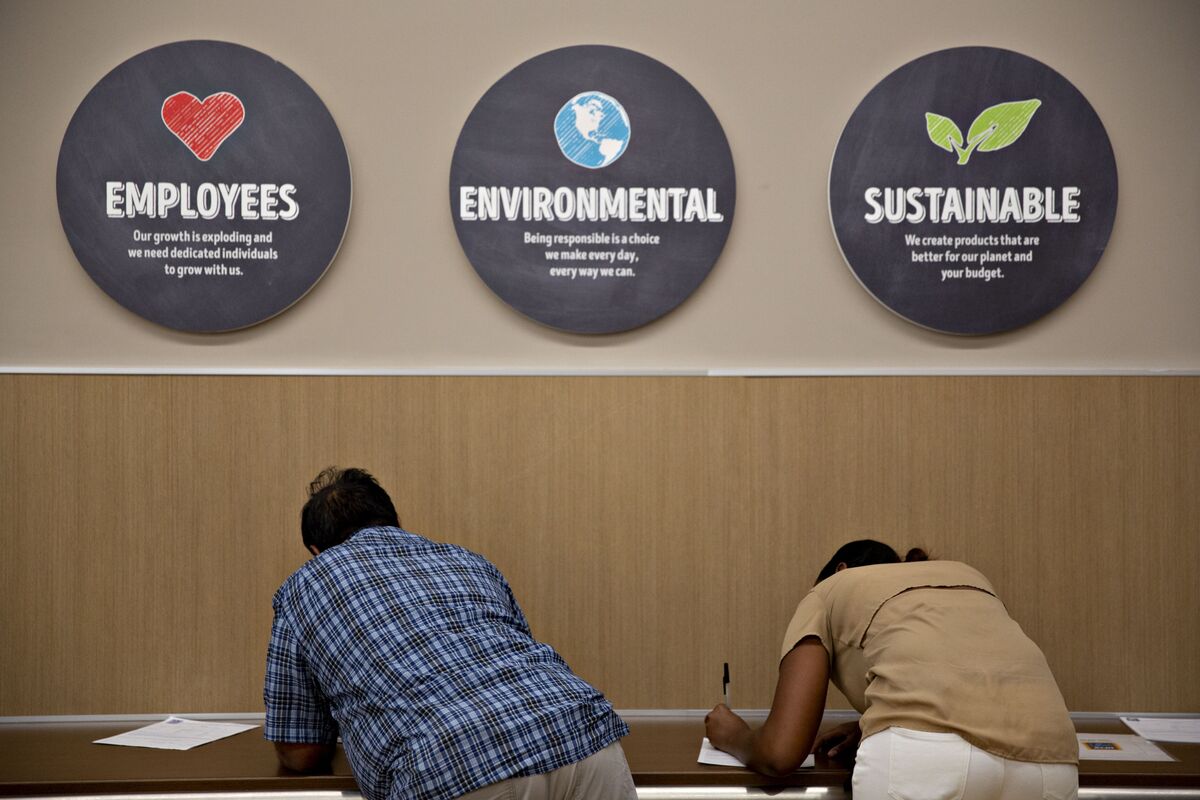
The US unemployment rate has climbed to 4.3%, marking its highest level since 2021 and the peak of the pandemic, according to the Bureau of Labor Statistics. This significant increase signals a notable deterioration in the US labor market, contrasting with prior half-century lows, and suggests growing concerns about the broader economic outlook.
The US unemployment rate has surged to 4.3%, its highest level since the pandemic-era peak in 2021, marking a significant deterioration from the half-century lows observed in prior years. This data point from the Bureau of Labor Statistics suggests a material weakening of the US labor market. The report's negative impact is amplified by the accompanying context of a broader trend of grim economic tidings, including weakness in manufacturing and hiring, which points toward a more systemic economic slowdown rather than an isolated labor market event. The political dimension, highlighted by the recent dismissal of the BLS commissioner by the administration, introduces a layer of uncertainty and potential risk regarding the perceived integrity of future economic data releases, which could impact market confidence. The strongly negative sentiment and high market impact scores associated with this news underscore the gravity of a potentially souring economic outlook.
AI-powered research, real-time alerts, and portfolio analytics for institutional investors.
Request DemoOverall Sentiment
strongly negative
Sentiment Score
-0.75
