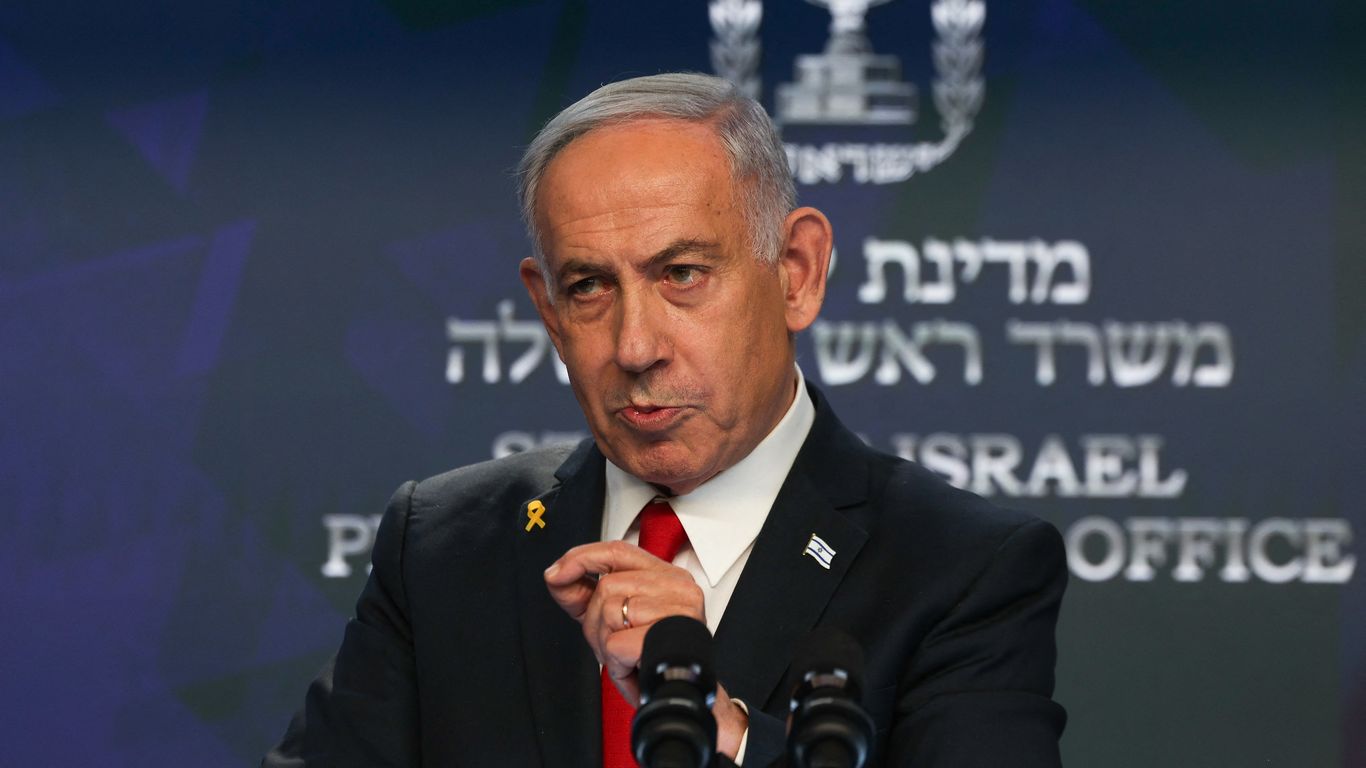
Israel has rejected Hamas's proposed changes to the Gaza hostage and ceasefire deal, labeling them "unacceptable," but will still dispatch negotiators to Qatar on Sunday for indirect talks. This move, occurring under U.S. pressure and despite Hamas's demands for UN aid control and IDF pullback, signals a significant step toward a potential truce, with discussions based on the original Qatari proposal. The resumption of negotiations, aiming for a 60-day ceasefire and hostage release, offers a prospect of de-escalation that could impact regional stability and broader market sentiment.
The resumption of indirect ceasefire talks in Qatar, despite Israel's explicit rejection of Hamas's proposed amendments, represents a critical development driven by significant U.S. political pressure. The core of the negotiation is a U.S.-backed proposal for a 60-day truce in exchange for the release of hostages, with President Trump's impending meeting with Prime Minister Netanyahu creating a soft deadline. Key sticking points remain, including Hamas's demands for UN-controlled aid delivery and an IDF pullback, which Israel has dismissed. Furthermore, Hamas is seeking stronger U.S. guarantees to prevent Israel from unilaterally resuming hostilities post-ceasefire, a significant hurdle. The market's "mildly positive" sentiment and "cautious" tone accurately reflect this dynamic: while the re-engagement is a positive signal for potential de-escalation, the fundamental disagreements between the parties are substantial, making the outcome highly uncertain. A successful negotiation would likely lower geopolitical risk premiums, whereas a failure could intensify the conflict.
AI-powered research, real-time alerts, and portfolio analytics for institutional investors.
Request DemoOverall Sentiment
mildly positive
Sentiment Score
0.35
