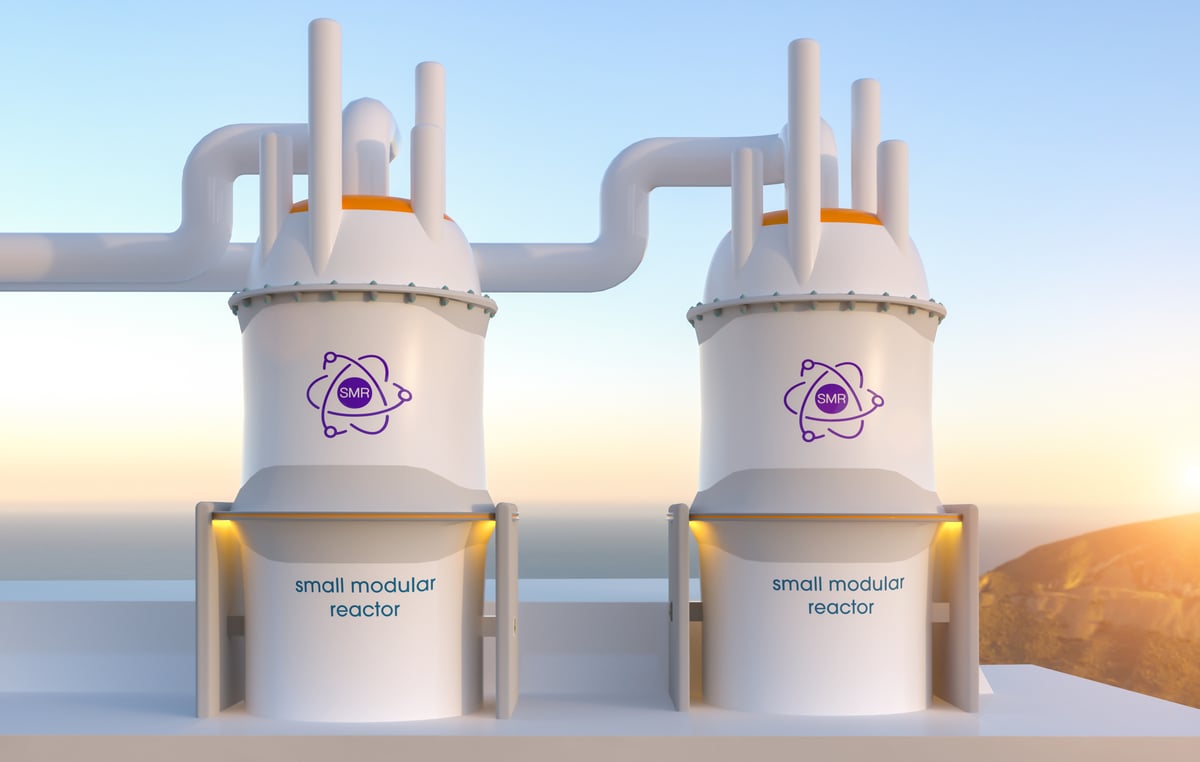
NuScale posted a record net loss of $664 million in 2025 and has increased its share count by roughly 1,500% since going public, highlighting heavy dilution and ongoing funding pressure. The company still has no operating plant, with its first project now seen as unlikely before 2030 and potentially 2032 or later, despite prior expectations of 2027. Its 6-gigawatt TVA project remains a key catalyst, but delays and cancellation risk keep the outlook highly uncertain.
The setup is less about near-term operating momentum and more about who finances the bridge to commercialization. In SMR, the market is effectively underwriting a long-dated option on regulatory scarcity, but the second-order effect is dilution: every incremental delay increases the probability that equity becomes the cheapest capital source, which compresses per-share upside even if project value improves. That makes the stock structurally vulnerable to a “good-news, bad-stock” pattern where contract milestones lift the narrative but also widen the capital burden needed to reach them.
The broader winner set is likely the nuclear supply chain, not the developer itself. If large-scale SMR deployment remains credible, engineering, modular fabrication, heavy electrical, and fuel-cycle names can benefit earlier and with lower execution risk than SMR; the real bottleneck is no longer technology approval but project finance and construction certainty. That means the market may be underpricing the duration mismatch: the industrial ecosystem can re-rate on even modest proof points, while SMR itself may need years of execution to justify a sustained multiple.
Catalyst timing is important. Over the next 6-18 months, the shares will likely trade more on financing optics and project headlines than on intrinsic operating progress, because no cash-flow inflection is in sight. A reversal would require either credible non-dilutive funding or a materially de-risked build schedule; absent that, every delay pushes the equity closer to being valued as an out-of-the-money call on the 2030s rather than a growth stock.
Consensus may be overestimating the value of first-mover advantage and underestimating the cost of being first. In regulated infrastructure, being early often means being the first to absorb cost overruns, permitting friction, and supply-chain learning curves. The contrarian takeaway is that SMR’s best risk/reward may not be outright long exposure here; it may be in owning the picks-and-shovels beneficiaries or fading enthusiasm into spikes driven by headline catalysts.
AI-powered research, real-time alerts, and portfolio analytics for institutional investors.
Request DemoOverall Sentiment
mildly negative
Sentiment Score
-0.35
Ticker Sentiment
