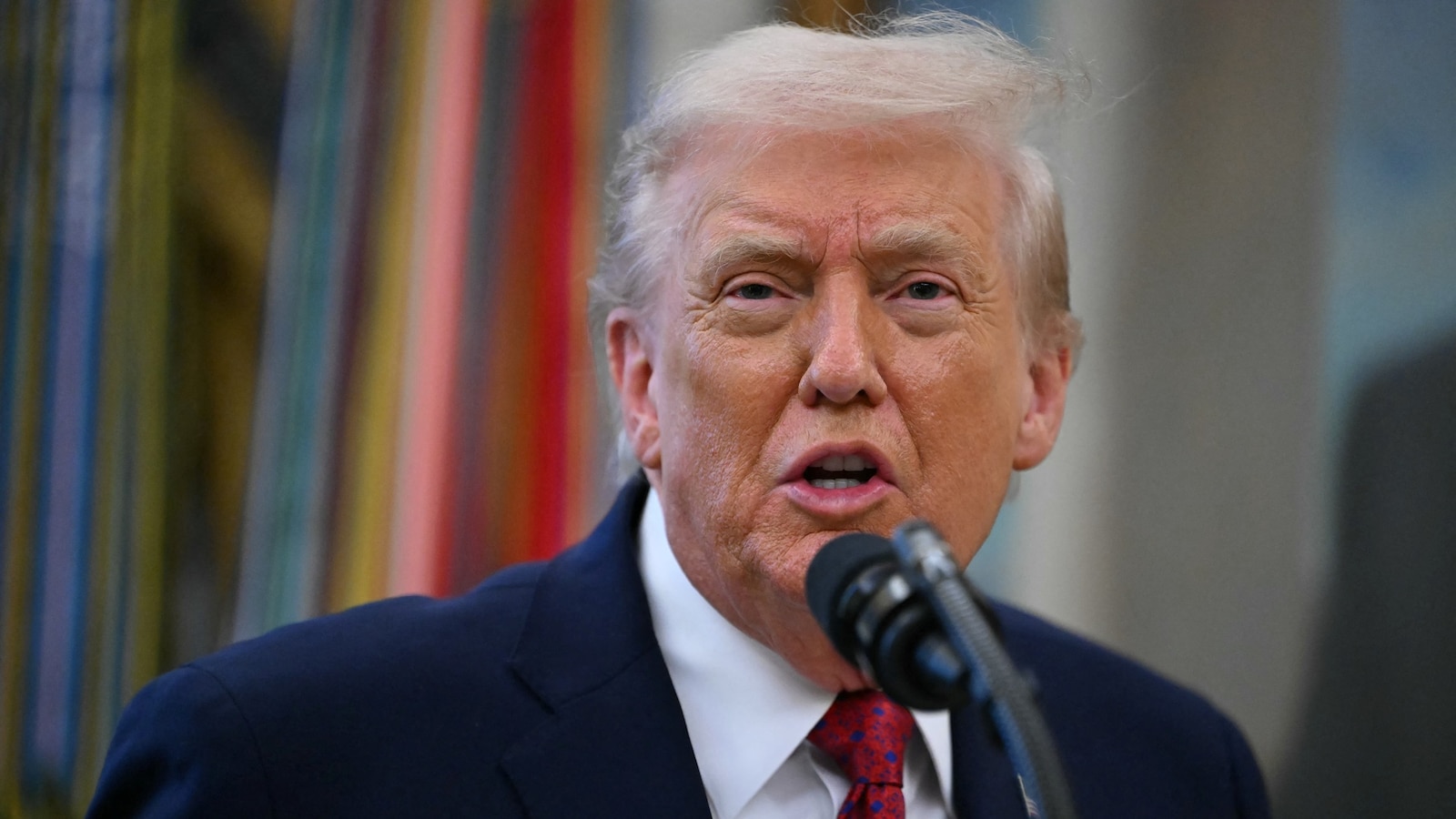
President Trump signed an executive order to reclassify marijuana from Schedule I to Schedule III, directing Attorney General Pam Bondi to expedite rescheduling and emphasizing increased medical research into marijuana and CBD. The move formally acknowledges potential medical value and aims to reduce research barriers and regulatory gray areas for patients and businesses, but it does not legalize possession at the federal level or change Controlled Substances Act criminality without congressional action.
Market structure: Rescheduling to Schedule III is a structural positive for US-focused MSOs and pharmaceutical cannabinoid developers because it lowers research and commercialization barriers. Direct beneficiaries include multi-state operators (Curaleaf CURLF, Cresco CRLBF, Green Thumb GTBIF, Trulieve TCNNF) and small-cap biotech focused on synthetic cannabinoids (e.g., Zynerba ZYNE); losers include export‑centric Canadian LPs (Tilray TLRY, Aurora ACB) and illicit/commodity CBD players as medical channels shift. Expect 6–24 month acceleration in medical demand (conservative +5–15% patient uptake) and a bifurcation between regulated pharma-grade supply and low‑margin commoditized retail product.
Risk assessment: Tail risks are regulatory reversal, DEA/FDA pushback, persistent banking/payment access restrictions and a slow Medicare/insurance uptake that keeps retail demand muted. Near-term (days/weeks) expect sentiment-driven moves (±5–15%); short-term (3–6 months) depends on DEA rule language and initial FDA guidance; long-term (12–36 months) outcomes hinge on Medicare coverage, M&A and margin convergence. Hidden dependencies: state-level licensing, pharmacy distribution agreements, and insurer reimbursement policies; catalysts include DEA formal rule, FDA CBD guidance, and announced pharma partnerships.
Trade implications: Tactical ideas — establish a 2–3% portfolio long basket equally weighted in CURLF/CRLBF/GTBIF with a 6–12 month horizon, target +40–60% and hard stop −30%. Implement a relative-value pair: long CURLF / short TLRY (1:1 notional) sized 1–2% net exposure to play US MSO domestic premium over 3–9 months. Use options: buy 3–6 month call debit spreads on ZYNE (25% OTM buy / 40% OTM sell) sized to 0.5% portfolio downside risk to capture catalyst upside. Reduce direct exposure to Canadian LPs (TLRY, ACB) by 50% immediately.
Contrarian angles: The market may underprice the delay between rescheduling and real cash flows—rescheduling alone doesn’t ensure pharmacy distribution, insurer reimbursement, or banking access, so rallies in pure-play consumer CBD names are likely overdone. Historical parallel: post‑prohibition-era alcohol saw consolidation and margin pressure on producers; similarly expect M&A activity that benefits well‑capitalized MSOs and pharma partners, while small caps without pharma pipelines risk severe dilution. Trigger to reverse bullish positions: if final DEA language retains DEA control or restricts interstate commerce, cut MSO exposure if price is >20% above entry or after 90 days with no regulatory progress.
AI-powered research, real-time alerts, and portfolio analytics for institutional investors.
Request DemoOverall Sentiment
mildly positive
Sentiment Score
0.25
