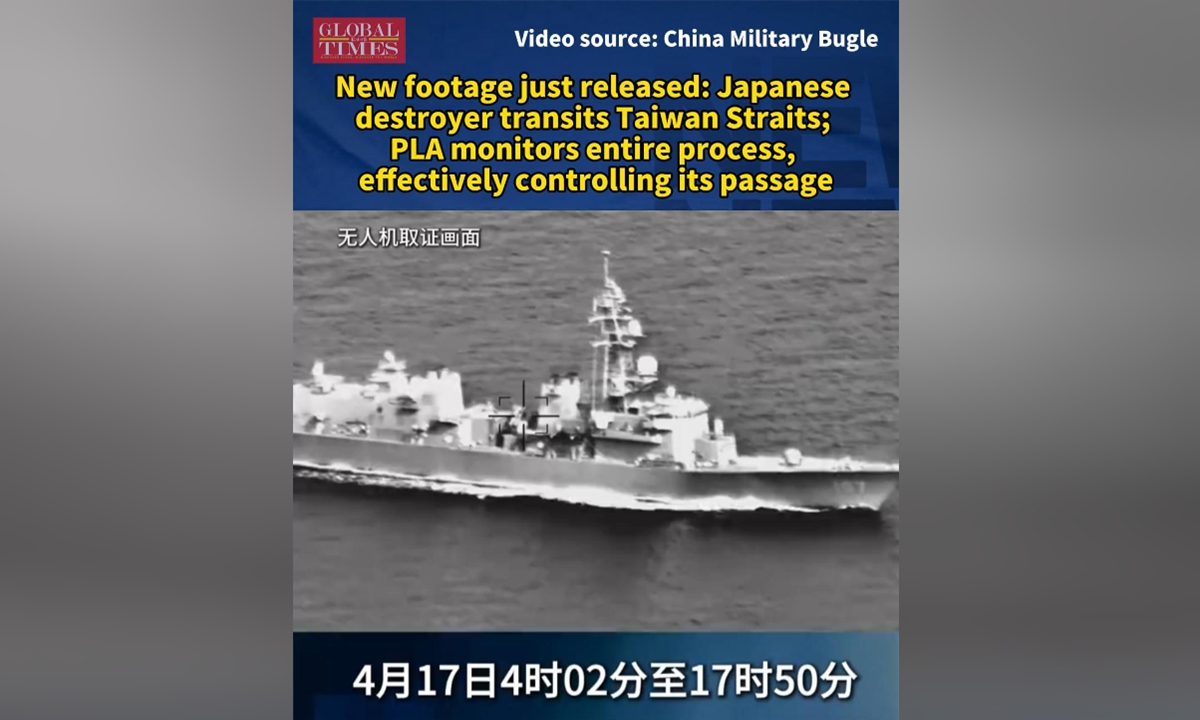
A Japanese destroyer transited the Taiwan Straits from 4:02 to 17:50 on Friday, prompting China to deploy PLA naval and air assets to monitor the vessel throughout the passage. Beijing said the move sent the wrong signal to Taiwan independence forces, lodged a strong protest, and accused Japan of undermining regional peace and stability. The incident heightens cross-strait military tensions and could weigh on regional risk sentiment, though it is not a direct economic shock.
This is less about the destroyer itself and more about the normalization of maritime signaling around the Taiwan Strait. The market implication is a gradual increase in defense-readiness premia across North Asia rather than a one-off headline shock: more ISR activity, more intercepts, and more frequent exercise-driven disruption raises the value of assets with resilient logistics, sovereign capacity, and domestic defense procurement exposure. The immediate second-order effect is reputational pressure on regional shipping insurers and operators if these transits become more common, even absent kinetic escalation.
The more important medium-term read-through is policy drift in Japan and China. Japan is being pushed toward a more explicit maritime security posture, which supports multi-year increases in defense capex, anti-submarine, maritime patrol, and C4ISR spending. For China, the response pattern suggests tighter operational control of sea lanes near Taiwan, which increases the odds of periodic friction around commercial routing, port calls, and undersea infrastructure protection. That is supportive for companies tied to surveillance, drones, electronic warfare, and hardened communications, while incrementally negative for regional transport names with concentrated East Asia routing exposure.
The consensus risk is overfocusing on tail-risk war headlines and missing the more investable path: higher steady-state demand for readiness without an immediate conflict premium collapse. The main reversal trigger would be diplomatic de-escalation paired with fewer symbolic transits, but that seems like a months-long process, not days. Near term, the better trade is to position for elevated defense budgets and maritime security spending rather than to fade the headline on the assumption that nothing happens.
AI-powered research, real-time alerts, and portfolio analytics for institutional investors.
Request TrialOverall Sentiment
mildly negative
Sentiment Score
-0.35
