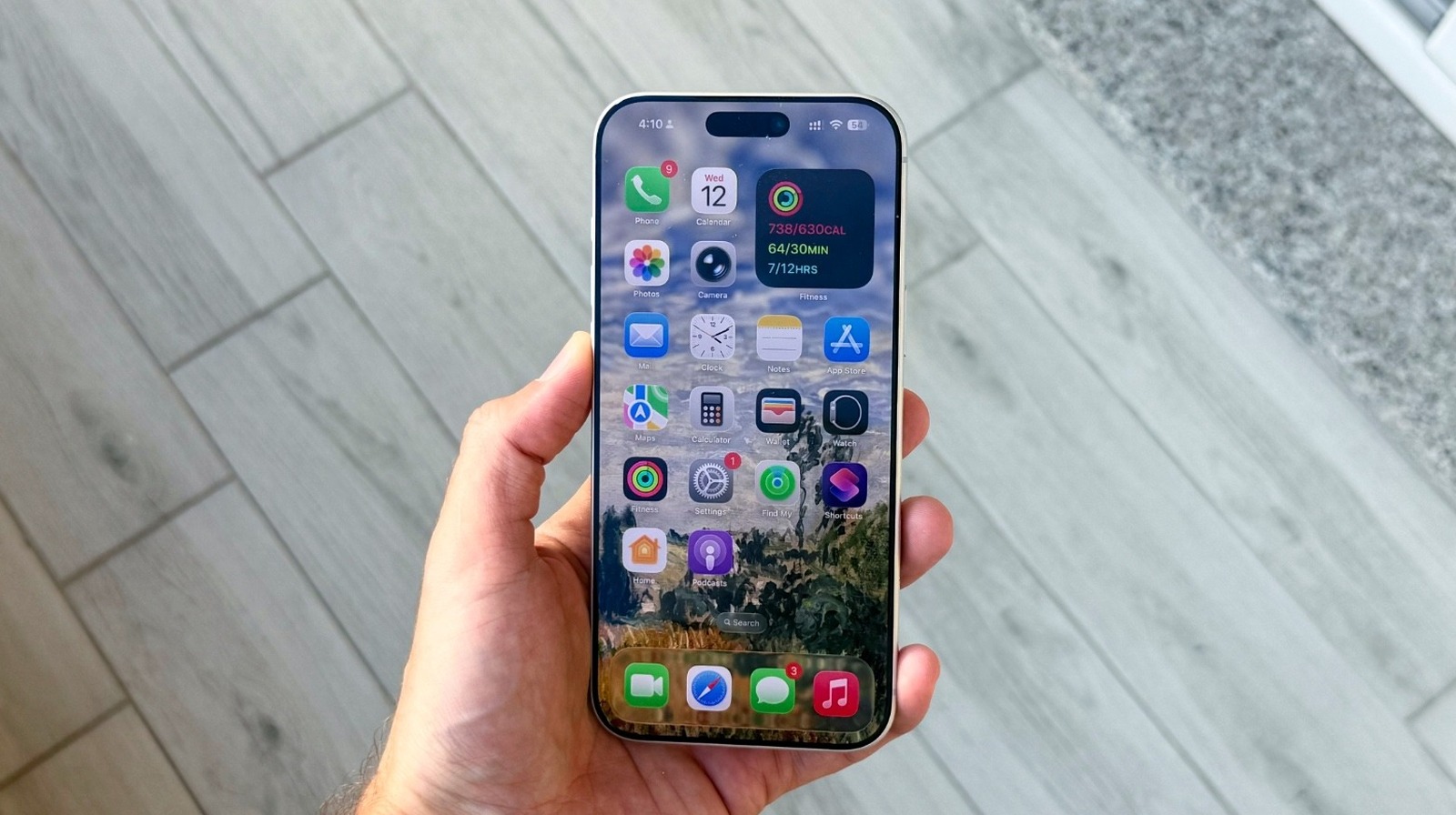
Leaker reports conflict on the iPhone 18 Pro design: credible display analyst Ross Young and Weibo/X leakers say the Dynamic Island will be reduced but remain centered with only the infrared flood illuminator moved under‑panel, while The Information and other sources claim Apple will switch to a top‑left punch‑hole selfie camera. Additional rumors point to an A20 Pro chip on a 2nm process, possible new privacy display tech, and incremental camera upgrades, with a full external redesign reportedly deferred to a 2027 iPhone 20 launch. The story signals ongoing supply‑chain testing and design finalization risks for Apple and its suppliers but is unlikely to change near‑term fundamentals absent confirmed production decisions.
Market structure: Apple (AAPL) remains the primary beneficiary if the iPhone 18 Pro delivers a clear incremental upgrade (smaller Dynamic Island, partial under‑panel Face ID, A20 on 2nm) because higher ASPs and component wins (camera, display, chipset) can lift supplier revenues by mid‑single digits in FY+1. Display suppliers (Samsung Display, BOE) and TSMC (TSM) are the direct gainers; accessory makers that depend on fixed cutouts (cases, screen protectors) face transient disruption. Short‑term pricing power for Apple stays intact; the largest margin lever is the A20/2nm efficiency gain which could boost gross margins by 100–250bp if yields scale in 12–18 months.
Risk assessment: Tail risks include manufacturing setbacks at TSMC (2nm yield shortfalls), a supply‑side leak triggering negative pre‑launch sentiment, or regulatory export controls disrupting MOSFET/semiconductor supply — each could erase 5–15% off consensus EPS for 4–6 quarters. Immediate (days) impacts will be IV spikes and social‑media driven trading; short‑term (weeks/months) depends on supply‑chain confirmations; long‑term (quarters/years) depends on 2nm ramp and Apple’s 2027 redesign cadence. Hidden dependencies: camera/FaceID module suppliers’ capacity and yield timelines, and Samsung/TSMC capital spending guidance.
Trade implications: Establish a measured AAPL overweight (2–3% portfolio) and hedge with a 6–12 month call spread (buy 5–10% ITM call, sell 25% OTM call) to cap cost while capturing upside from A20-driven re‑rating; size options at 0.5–1% notional. Buy TSM (1–2% overweight) or 12‑month 10–15% OTM call options if TSM reports clear 2nm yield improvement within next two quarterly reports; consider a 3‑month ATM AAPL straddle (0.5% notional) around the next product event to play near‑term volatility.
Contrarian angles: Consensus overweights AAPL hardware upside; what’s missed is execution risk — if Apple staggers under‑panel rollout, OLED/display suppliers may not see incremental orders for 12–18 months, creating a shortable window in mid‑cap display names. Market may underprice the value of a successful 2nm A20 (historical parallel: A11/A12 re‑ratings) — if TSMC confirms 2nm contribution >5% revenue in 12 months, re‑rate TSM and AAPL exposures aggressively. Unintended consequence: accessory/repair aftermarket revenue could compress 10–20% if all‑screen push reduces third‑party case/screen protector TAM.
AI-powered research, real-time alerts, and portfolio analytics for institutional investors.
Request DemoOverall Sentiment
mixed
Sentiment Score
0.05
Ticker Sentiment
