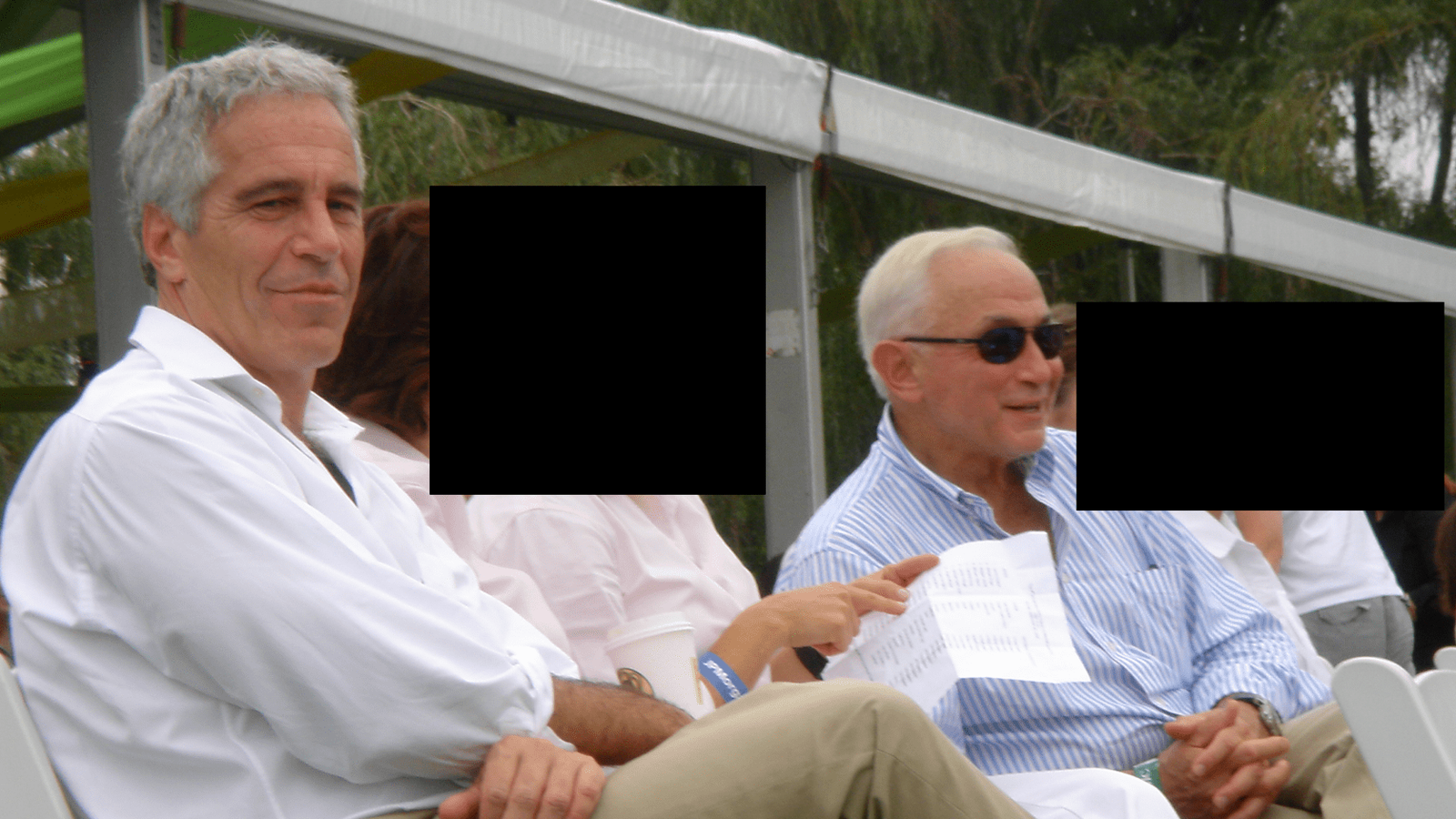
Les Wexner, founder of brands including Victoria's Secret and Abercrombie & Fitch, testified to US Congress that Jeffrey Epstein — who had managed Wexner's finances — "stole vast sums" from his family and that he severed contact once aware of the abuse and theft. The disclosure accompanies UK and US law-enforcement reviews of Epstein flight logs and files, plus probes into other public figures linked to Epstein, creating potential reputational and legal risk for connected individuals and legacy brand associations; however, there are no direct financial metrics or immediate corporate liabilities disclosed, so near-term market impact is limited.
Market structure: The immediate winners are cash-rich competitors and online intimates specialists (e.g., private-label/fast-fashion players) who can capture any short-term traffic loss at Victoria's Secret (VSCO) and Abercrombie (ANF). Direct losers are VSCO (sentiment -0.3) because of brand association risk and governance scrutiny; expect 3–10% downside risk over 2–8 weeks if negative headlines continue. Pricing power shifts toward discount channels for 1–2 quarters as consumer sensitivity to brand controversy spikes and promotion intensity increases by retailers defending share.
Risk assessment: Tail risks include expanded civil litigation naming legacy executives or class actions that could produce settlements in the $100–500m range (company liabilities or insurance gaps) and a regulatory wave increasing compliance costs 50–150 bps of gross margin. Near-term (days–weeks) volatility will be driven by incremental revelations and police/investigation news; medium-term (3–12 months) risks hinge on lawsuits and board changes; long-term (12+ months) depends on brand rehabilitation. Hidden dependencies: wholesale partners and licensing agreements could be terminated quickly, hitting revenue recognition and working capital.
Trade implications: Short 2–3% notional of VSCO stock or buy 60–120 day put spreads (buy 10% OTM, sell 5% OTM) to cap cost; hedge with a 1–1.5% long in ANF as a relative-value pair (long ANF, short VSCO) anticipating lesser reputational damage. Reduce sector exposure to branded intimates by 1–2% and shift into online apparel ETFs or staples; add a 3–6 month corporate bond screen: increase cash allocation vs. BBB retail bonds if spreads widen >25bps. Enter within 1–4 weeks; exit/trim if VSCO trades down >15% or if major litigation disclosures occur within 30 days.
Contrarian angles: Consensus overstates permanence: historical retail reputation crises (product/exec scandals) often revert in 6–12 months after governance fixes and marketing resets, creating mean-reversion upside of 15–30% from troughs. The market may be overpricing legal risk for ANF (sentiment -0.05) — consider a tactical long if ANF underperforms peers by >8% without new allegations. Unintended consequence: an extended regulatory crackdown would compress margins across small/mid retailers more than large omnichannel players, favoring scaled operators.
AI-powered research, real-time alerts, and portfolio analytics for institutional investors.
Request DemoOverall Sentiment
moderately negative
Sentiment Score
-0.35
Ticker Sentiment
