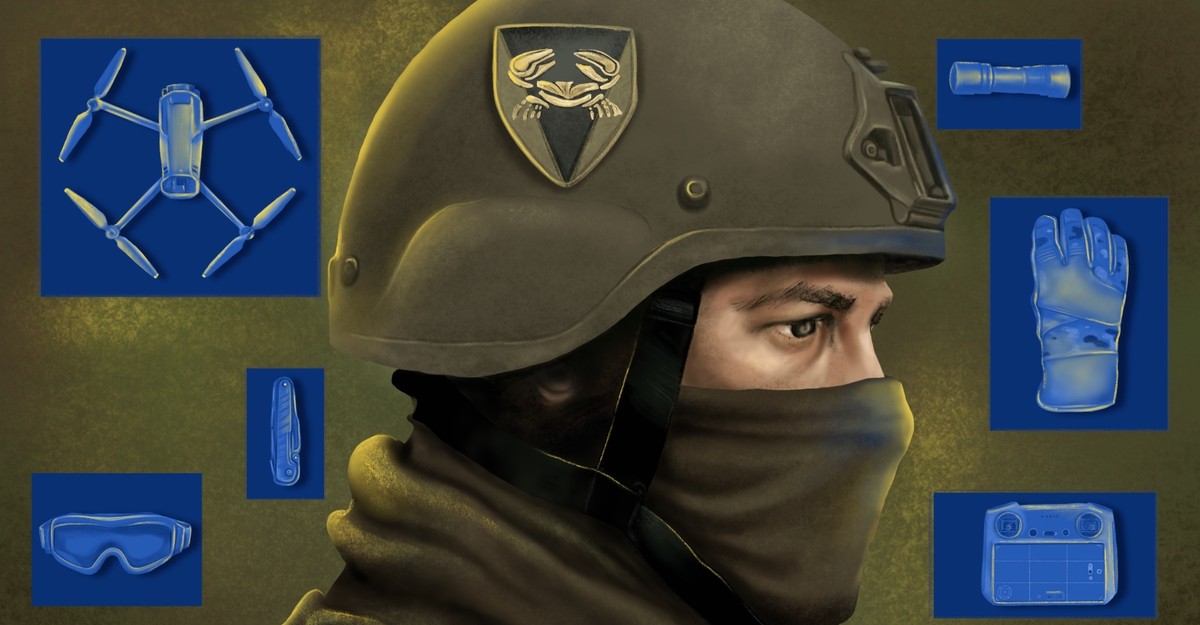
Ukraine is revolutionizing modern warfare through its decentralized production and strategic deployment of low-cost, domestically manufactured FPV "suicide drones," with an estimated 4 million units projected for this year. These highly effective drones, operated by a small fraction of Ukrainian forces, are responsible for a significant portion of Russian casualties, enabled by a "gamified" system that incentivizes precise targeting. This paradigm shift underscores the increasing efficacy of agile, cost-efficient technological solutions in contemporary conflict, impacting defense industry dynamics and military strategy.
The conflict in Ukraine is demonstrating a fundamental shift in modern warfare, characterized by the deployment of low-cost, decentralized drone technology. Ukraine is projected to produce over 4 million first-person-view (FPV) suicide drones this year, manufactured domestically for a few hundred dollars each, a stark contrast to the cost of conventional military hardware. This strategy has proven highly effective, with drone units comprising just 2% of the armed forces reportedly accounting for a large majority of Russian casualties. The operational model combines reconnaissance drones for target identification with FPV drones for precision strikes, enhanced by a 'gamified' system that incentivizes pilots with points for successful engagements. This decentralized production network, leveraging 3D printing in non-traditional facilities, showcases a resilient and scalable supply chain that poses a significant disruptive threat to legacy defense contractors reliant on large, expensive platforms. The documented destruction of up to a third of Russia's strategic air fleet in a single operation further underscores the vulnerability of high-value assets to these asymmetric tactics.
AI-powered research, real-time alerts, and portfolio analytics for institutional investors.
Request DemoOverall Sentiment
mildly positive
Sentiment Score
0.15
