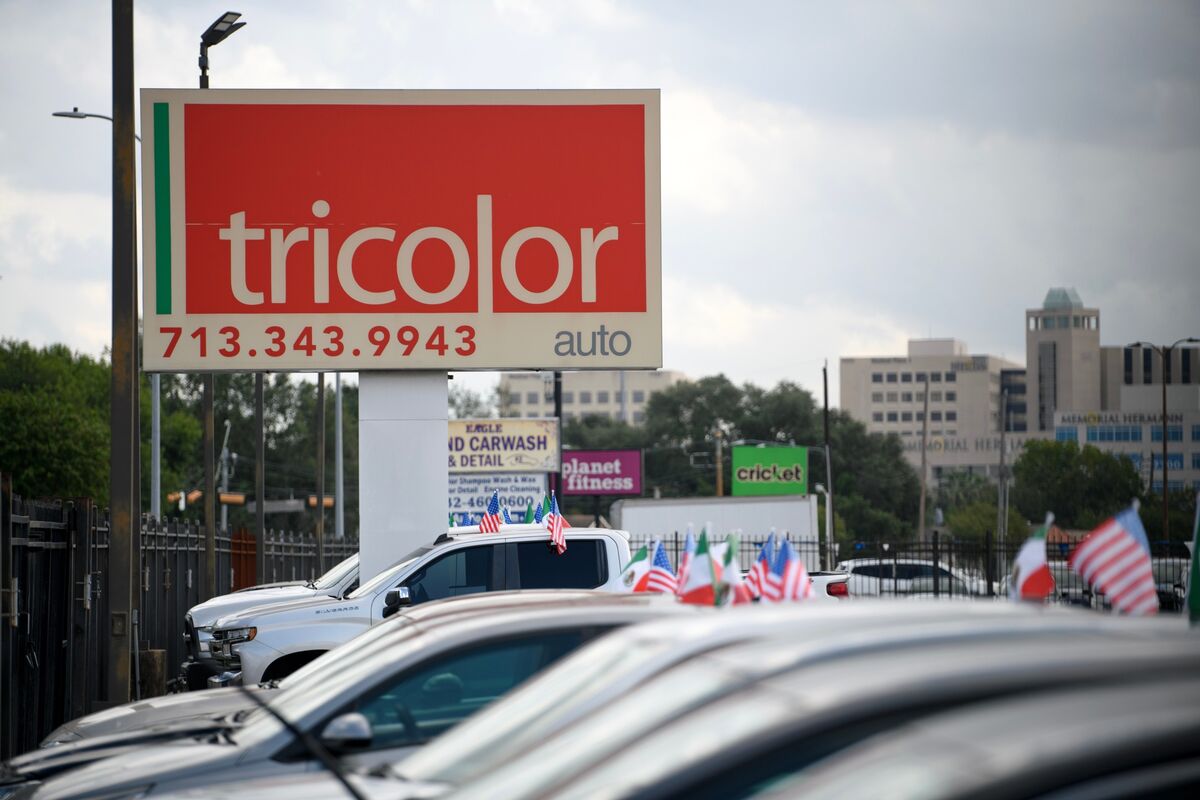
Tricolor has reportedly clawed back interest payments from bondholder accounts, an unprecedented and highly concerning event that signals potential financial distress or a serious covenant breach. This action immediately raises questions about the security of the company's debt instruments and could undermine investor confidence in similar structured credit products.
The reported clawback of interest payments by Tricolor from its bondholders' accounts is an exceptionally rare and alarming event in credit markets. This action, described as unprecedented, fundamentally challenges the perceived security of coupon payments and implies severe financial distress, a critical covenant breach, or a profound operational failure within the firm. Such a reversal of a completed transaction immediately calls into question the solvency of the issuer and the integrity of the debt servicing mechanics. The strongly negative sentiment associated with this news is justified, as it can trigger a significant loss of confidence not only in Tricolor's own debt instruments but also potentially across the niche of similar structured credit products. Investors will now likely question the underlying payment security and covenant protections in comparable securities, leading to heightened scrutiny and potential repricing of risk in this segment of the bond market.
AI-powered research, real-time alerts, and portfolio analytics for institutional investors.
Request DemoOverall Sentiment
strongly negative
Sentiment Score
-0.70
