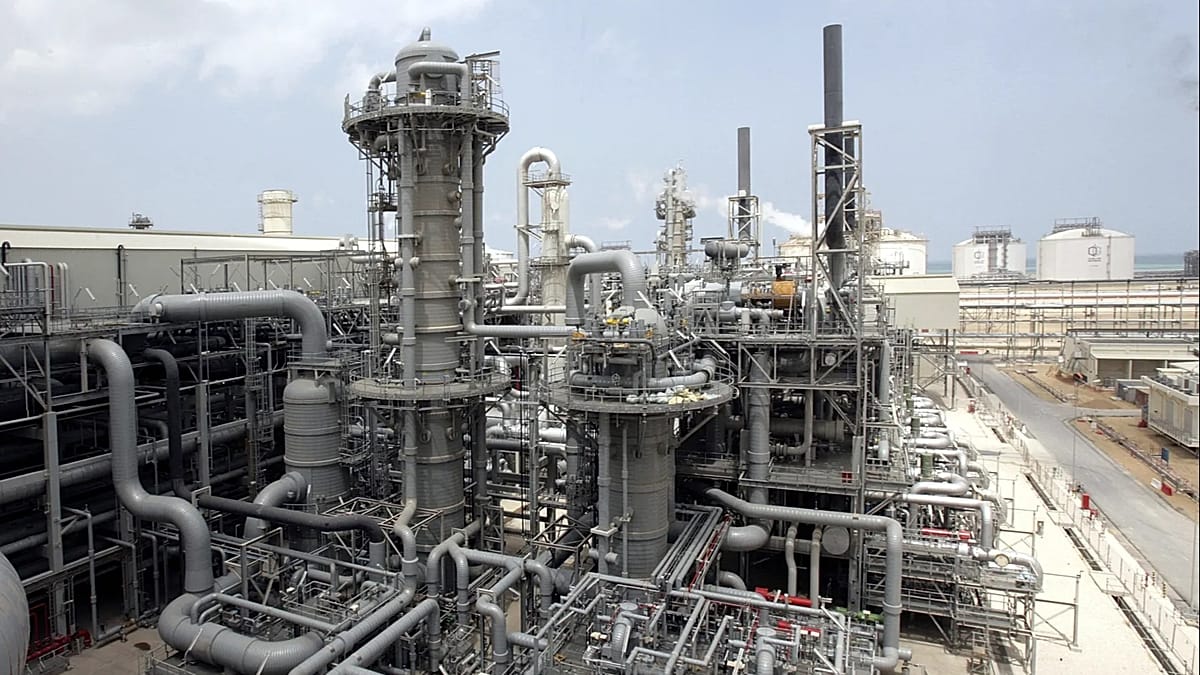
Qatar intercepted drones and cruise missiles it says were launched from Iran while authorities arrested 10 alleged sleeper-cell suspects tied to Iran's Revolutionary Guard. QatarEnergy declared force majeure after two of its LNG facilities were attacked and production was paused, prompting closure of Qatar airspace and disruptions to Qatar Airways operations. The developments represent a near-term supply shock to global LNG markets and elevate regional geopolitical risk, with potential upward pressure on energy prices and broader risk-off moves in markets.
Market structure: Immediate winners are global LNG and oil suppliers (spot market and flexible US exporters) and defense/insurance providers; losers are Gulf-linked logistics, passenger airlines and tourism providers. A temporary Qatar outage (Qatar supplies ~25–30% of seaborne LNG) shifts pricing power to spot LNG/TTF and Atlantic suppliers, pushing near-term gas/oil spreads wider and freight/insurance rates up 20–50% in weeks if outages persist.
Risk assessment: Tail risks include escalation closing shipping chokepoints or wider GCC targeting (low-probability, high-impact) and retaliatory sanctions that could freeze flows; expect market shocks in days and persistent risk premia for months. Hidden dependencies: LNG is freight-constrained (fleet/FSRU availability) and winter demand timing; catalysts that accelerate moves include further attacks, OPEC+ announcements, or a rapid Qatar production restart.
Trade implications: Favor tactical long exposures to flexible LNG/oil producers and defense contractors while shorting travel/leisure and regional credit where exposure is highest. Use option structures (call spreads on Brent/TTF; buy protection on airline shorts) to limit downside — act quickly within 1–12 week windows and reprice positions if production restoration is confirmed within 2–4 weeks.
Contrarian angles: Consensus assumes prolonged outage; if supply restoration occurs within 2–4 weeks, spot prices can mean-revert 30–60%, creating reversal risk for outright longs. Mispricings: defense names may lag; shipping insurers may re-rate higher over 3–12 months; prefer hedged, relative-value plays rather than unhedged directional oil longs.
AI-powered research, real-time alerts, and portfolio analytics for institutional investors.
Request TrialOverall Sentiment
strongly negative
Sentiment Score
-0.65
