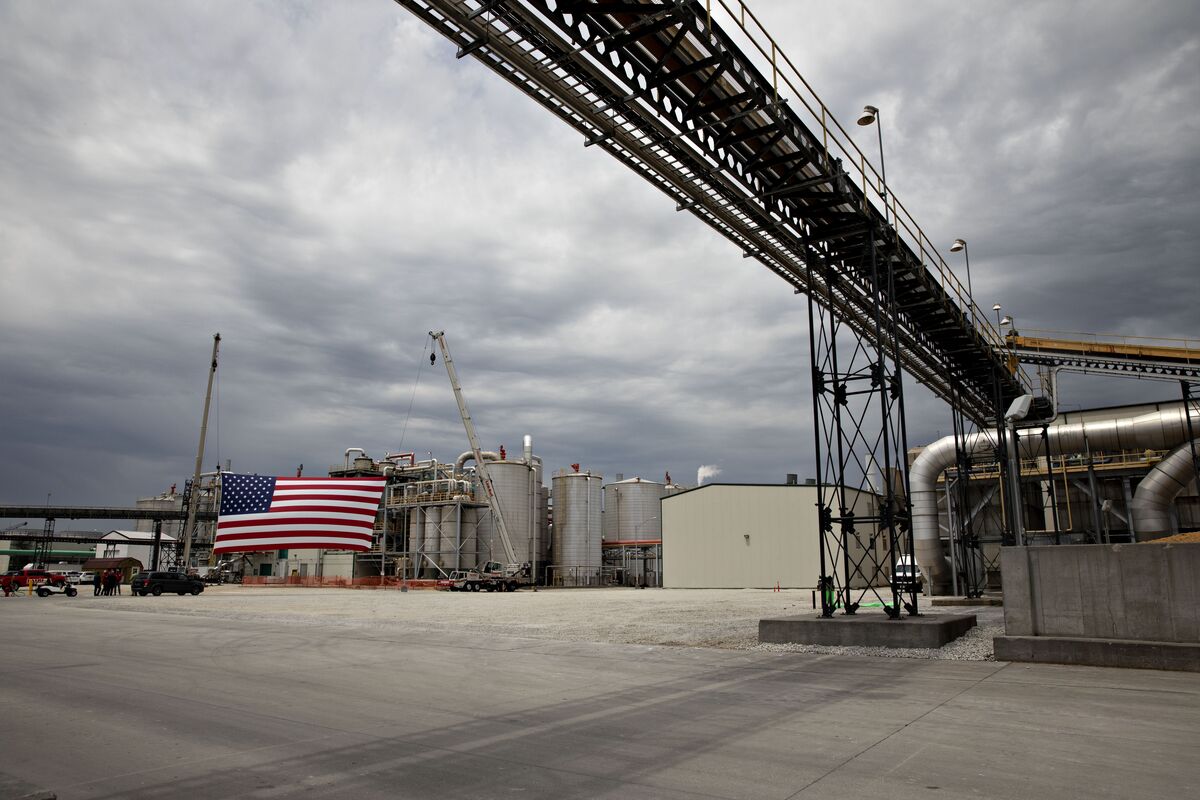
UK ethanol producer Ensus warns its Wilton, England facility faces imminent closure due to increased tariff-free US imports following a recent trade agreement. The company states it is almost too late to save the plant, and a production halt would eliminate over 100 jobs and impact a local supply chain of approximately 3,000 people.
UK ethanol producer Ensus faces an acute operational crisis, warning of the "imminent closure" of its Wilton, England facility due to detrimental effects from a recent trade agreement with the US, which has facilitated increased tariff-free American ethanol imports. This development, described by Ensus as almost too late to reverse, directly threatens over 100 jobs at the plant and carries wider implications for a local supply chain supporting approximately 3,000 people. The situation highlights the vulnerability of domestic industries to shifts in international trade policy and tariff structures, particularly within the competitive commodities and energy markets. The extremely negative sentiment surrounding this announcement underscores the severity of the challenge for Ensus and potentially for other UK ethanol producers exposed to similar competitive pressures from US imports.
AI-powered research, real-time alerts, and portfolio analytics for institutional investors.
Request DemoOverall Sentiment
extremely negative
Sentiment Score
-0.85
