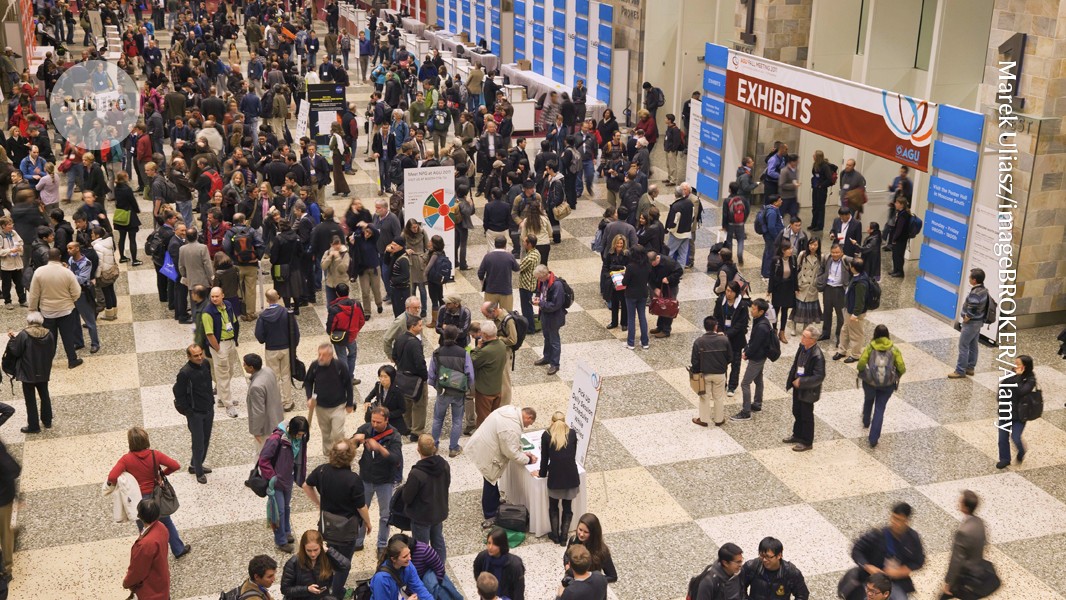
Major U.S. science conferences recorded weaker attendance and international representation ahead of 2025/2026: Society for Neuroscience attendance fell 6% to 21,093 (from 22,359) and represented countries dropped from 88 to 73, AGU registrations declined from more than 30,000 in 2024 to just over 20,000 for 2025, and Pacifichem registered about 11,000 with notably fewer Canadians. Organizers attribute the declines to tightened U.S. immigration and visa enforcement under the Trump administration — including bans on citizens of 19 countries, proposed five‑year social‑media checks and tariffs — prompting some researchers to avoid U.S. travel or to hold alternative meetings (NeurIPS in Mexico City, EurIPS in Copenhagen), a shift that could pressure conference revenues and related travel, hospitality and exhibition sectors.
Market structure: US-facing conference ecosystem (convention hotels, trade-show vendors, F&B, local transit) is the direct loser; examples show booking declines from 30k→20k (AGU, ~33%) and SfN −6%. Winners are regional venues (Mexico City, Copenhagen), global hotel chains with diversified international footprints (HLT, MAR), and virtual/hybrid platforms (ZM, MSFT). Expect 5–25% revenue swing at property-level for convention-dependent assets over the next 6–12 months depending on whether trends persist.
Risk assessment: Tail risks include a policy escalation (broader travel bans or finalized 5-year social-media visa rule) that triggers step-function cancellations and multi-year market-share loss for US venues; probability medium but impact high on hospitality REITs and airlines. Short-term (days–weeks) risk: headline-driven cancellations; medium (3–12 months): sponsor budget reallocation and reduced exhibitor spend; long-term (1–3 years): persistent geographic fragmentation of academic-industrial networks. Hidden dependency: university/federal travel budgets and grant-funded travel subsidies — changes there are second-order amplifiers.
Trade implications: Tactical: favor long exposures to conferencing software (ZM, 6–9 month calls) and European/Mexico hospitality operators (AC.PA, HLT) while trimming US convention-heavy REITs (HST). Use pair trades (long AC.PA, short HST) to isolate geographic shift. Use options to limit drawdowns: buy 6–9 month ZM calls and buy HST 3–6 month put spreads; scale if two consecutive major conferences show ≥10–15% YoY attendance declines.
Contrarian view: Consensus may overstate permanence — historical parallels (post‑9/11, post‑COVID) show strong in-person rebound once policy/health uncertainty resolves; if final US rules are softened within 60–90 days, US convention demand could snap back, compressing put prices. Unintended consequence: fragmentation increases recurring revenue for hybrid platforms and regional venue owners — look for small-cap event-tech and Mexican/Scandi hotel operators as asymmetric upside candidates.
AI-powered research, real-time alerts, and portfolio analytics for institutional investors.
Request DemoOverall Sentiment
moderately negative
Sentiment Score
-0.30
