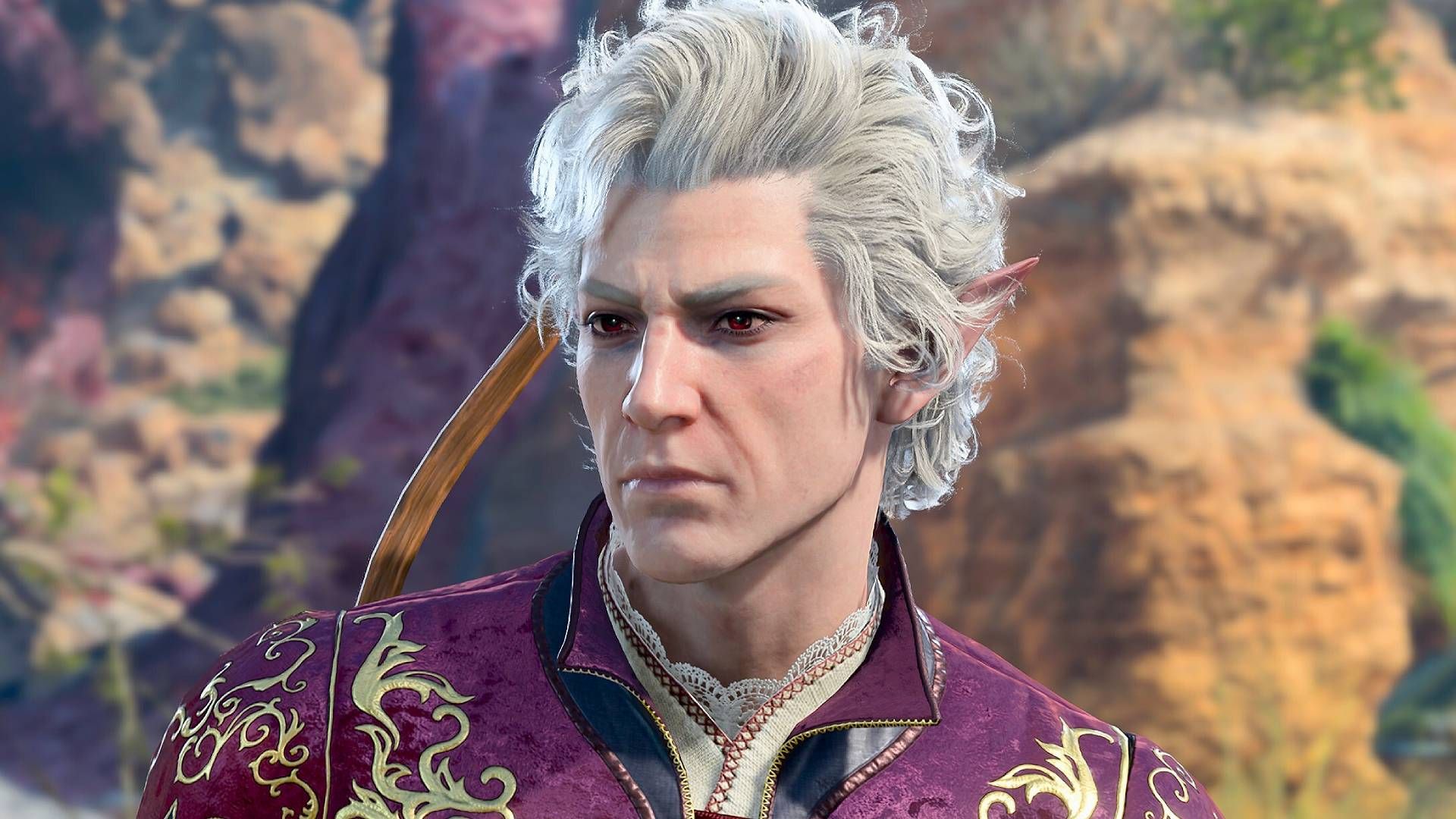
Neil Newbon, the voice actor for Astarion in Baldur's Gate 3, publicly condemned the use of generative AI to replace human voice performances, arguing studios that profited from such technology should pay actors to re-record lines. He asserted AI voices remain qualitatively inferior and raised ethical and reputational concerns around voice cloning and lost performer fees. For investors, widespread adoption of AI-generated voices could create modest reputational, legal and remediation costs for developers and publishers, but the story is unlikely to be materially market-moving absent broader industry or regulatory shifts.
Market structure: The article highlights reputational and cost pressure on game studios that shortcut voice performance with generative AI. Winners include AI compute/cloud providers (NVDA, MSFT, GOOGL) and outsourced audio/localization firms that can capture re-recording work (Keywords Studios KWS); losers are pure-play voice‑AI vendors and small studios that used unlicensed cloning (Veritone VERI, SoundHound SOUN). Expect a 1–3% incremental cost hit for mid‑sized publishers that undertake re-records over 6–18 months, but improved consumer goodwill could protect pricing on AAA launches.
Risk assessment: Tail risks include class-action voice‑cloning suits and union-driven mandates (SAG‑AFTRA) creating regulatory precedent and multi‑year licensing costs; a single large judgment >$100–200M could materially impair a mid‑cap studio. Short term (30–90 days) the biggest catalysts are lawsuits, union statements and community backlash; medium term (6–18 months) is contract renegotiation and industry policy formation. Hidden dependency: localization budgets and recurring dubbing cycles create steady demand for human voice services even if cheap TTS is used for low‑value content.
Trade implications: Favor durable AI infrastructure exposure (NVDA via capped option spreads) and selective long positions in high‑quality publishers that will pay to re-record (Take‑Two TTWO, EA) while shorting small-cap voice‑AI providers (VERI/SOUN) with high legal/brand risk; expect re‑rating windows in 2–6 months following legal outcomes. Pair trade: long KWS (outsourcing beneficiary) vs short VERI (voice cloning vendor) for 6–12 months. Entry now, re-assess after 30–90 days of legal/union updates.
Contrarian angle: Market consensus underestimates persistence of human-performed voice in high‑ARPU titles; AI will win on low‑cost localization but not replace lead performances, which creates a structurally higher recurring addressable market for audio production suppliers (KWS) over 6–24 months. Also, temporary negative headlines can create buying opportunities in large-cap publishers that proactively fund re-records and gain goodwill—look for 10–20% dislocations after major controversies.
AI-powered research, real-time alerts, and portfolio analytics for institutional investors.
Request DemoOverall Sentiment
neutral
Sentiment Score
-0.10
