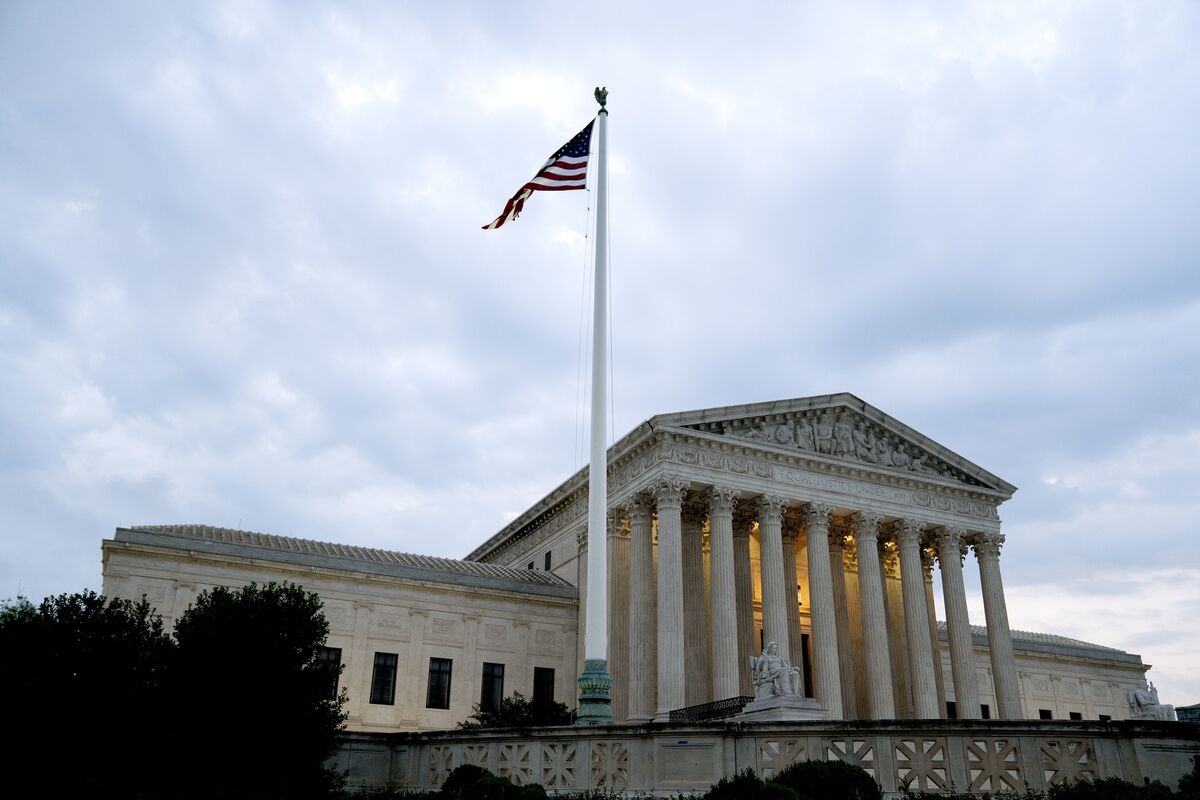
President Trump has urged the U.S. Supreme Court to reject an immediate challenge to his administration's tariffs, arguing the legal dispute should fully develop through lower courts before high court intervention. This stance, echoed by Solicitor General D. John Sauer, seeks to prevent the Supreme Court from 'leapfrogging' ongoing proceedings in a case brought by two educational-toy manufacturers, thereby emphasizing adherence to standard judicial process in tariff-related litigation.
The Trump administration has formally requested the U.S. Supreme Court to decline an expedited review of a legal challenge to its tariffs, arguing the case should first proceed through the federal appeals court. This position, articulated by Solicitor General D. John Sauer, seeks to avoid "leapfrogging" the standard judicial process in a lawsuit initiated by two educational-toy manufacturers. The move is primarily procedural and does not alter the existing tariff landscape, but it effectively extends the legal uncertainty for import-dependent industries. While the immediate market impact is rated as low (0.25), the mildly negative sentiment (-0.15) reflects the persistence of trade policy ambiguity, which remains a key risk factor for companies with international supply chains, particularly in consumer goods.
AI-powered research, real-time alerts, and portfolio analytics for institutional investors.
Request DemoOverall Sentiment
mildly negative
Sentiment Score
-0.15
