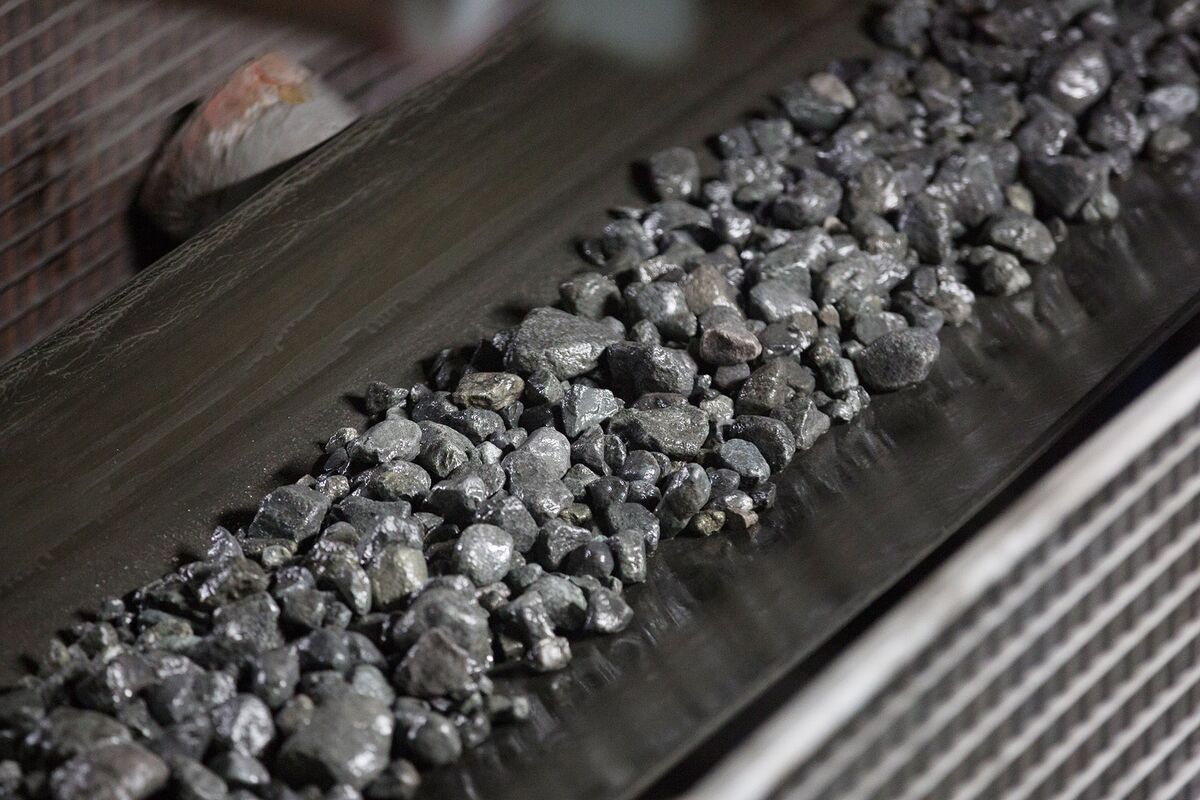
Brazilian Nickel is seeking an anchor investor to support financing for its planned $1.4 billion nickel and cobalt mine in northeastern Brazil. The company has hired Rothschild & Co. for global debt and equity financing and Bradesco BBI to help raise $100 million domestically, while also pursuing government funding from Canada, Europe and Brazil's BNDES. The update is financing-focused and indicates project development progress, but it does not yet confirm committed capital.
This financing effort is less about one project and more about who gets to intermediate scarce nickel supply under increasingly selective capital markets. If this mine advances, the biggest beneficiaries are likely not the developer itself but the capital providers, engineering firms, and offtake-linked traders that can structure quasi-project exposure with downside protection. A credible anchor would also signal that tier-1 capital is still willing to back long-life nickel assets outside Indonesia, which matters because it can reset valuation multiples across the broader battery-metals complex.
The second-order effect is on incumbent producers with higher cost curves and weaker balance sheets: an incremental wave of non-Indonesian supply weakens the argument that the market must rely on Indonesian laterite and integrated Chinese processing. That is strategically important for battery manufacturers and automakers because it creates optionality in ESG-compliant supply chains, potentially narrowing the “green premium” paid for ex-China material over the next 12-24 months. The real bottleneck is not geology; it is whether project finance can survive nickel’s history of boom-bust pricing without forcing punitive offtake terms or equity dilution.
The key risk is timeline slippage. Raising anchor equity and layered sovereign/development funding can take months, but permitting, construction, and ramp-up risk is measured in years, so the market may overestimate near-term supply relief. A reversal would come from weaker nickel pricing, tighter global credit, or a shift in EV chemistries away from nickel-heavy cathodes, any of which would reduce the strategic value of the asset and compress financing appetite quickly.
Consensus is likely underpricing the value of optionality embedded in a de-risked, non-Indonesia nickel project: even if the mine never becomes a dominant volume source, simply proving that institutional capital will fund a major Western-aligned nickel asset can lift sentiment across the entire financing chain. The contrarian angle is that this could be bullish for the lenders and advisers more than for the commodity itself, since the market may be too focused on future ounces and not enough on who earns fee income and structured upside during the funding process.
AI-powered research, real-time alerts, and portfolio analytics for institutional investors.
Request DemoOverall Sentiment
neutral
Sentiment Score
0.15
